Insightz

Insightz
Why the U.S. Dollar’s 2025 Decline Is Fueling Inflation, Shaping Investments, and Impacting Global Markets

Why the U.S. Dollar’s 2025 Decline Is Fueling Inflation, Shaping Investments, and Impacting Global Markets

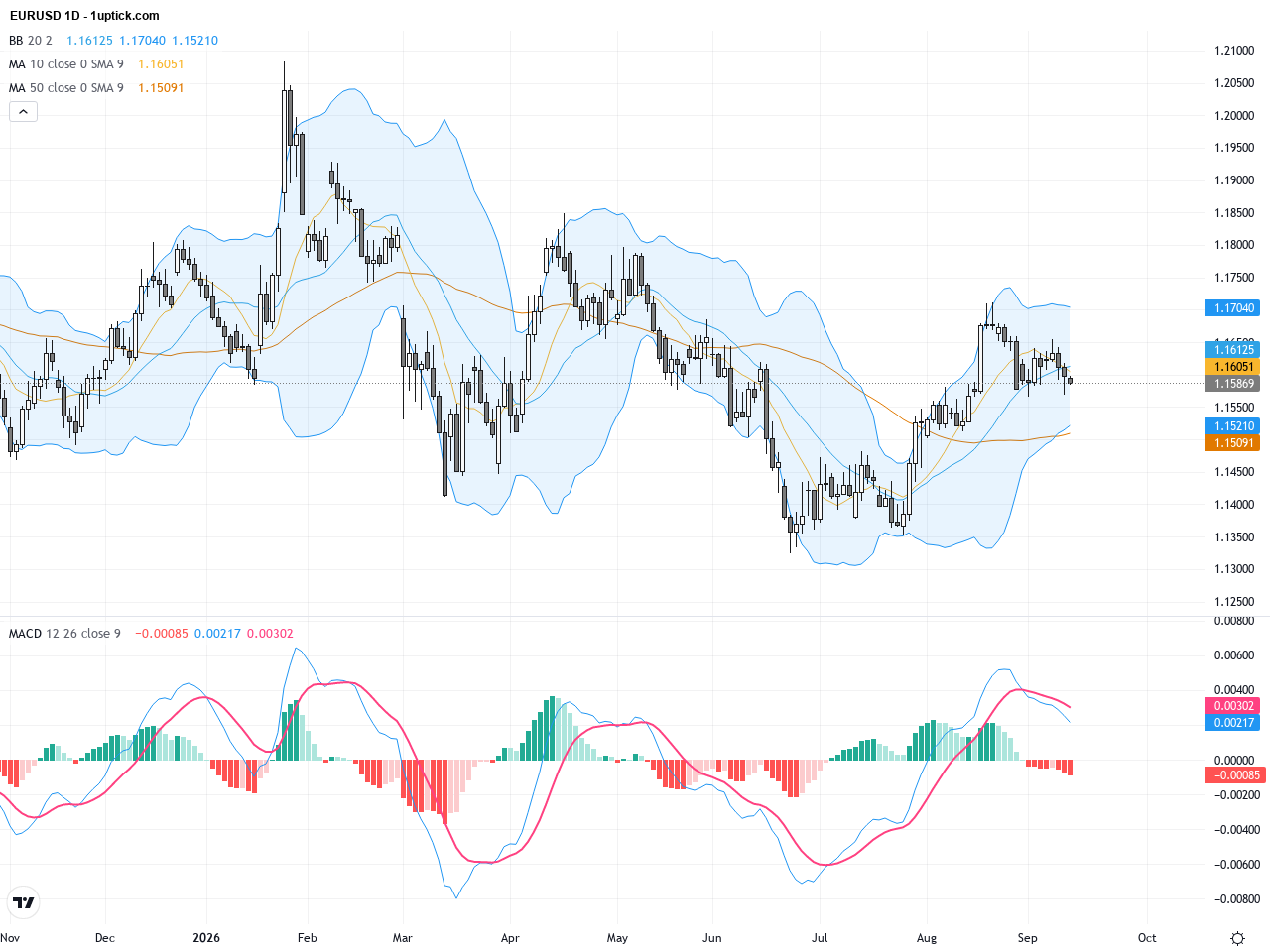
The U.S. dollar has experienced its largest decline since the 1970s, dropping around 11% in the first half of 2025 and signaling the end of a long bull market cycle. This depreciation is expected to continue, potentially adding another 10% loss by the end of 2026, driven by converging U.S. and global interest rates and economic growth. The weakening dollar is fueling inflation by increasing import prices, making travel abroad more expensive for Americans, and impacting global markets by reducing the attractiveness of U.S. assets to foreign investors. However, it also benefits American exporters by making U.S. goods cheaper internationally. Investors are seeing international stocks outperform U.S. equities, partly due to currency effects, while the overall inflation outlook is pressured by higher import costs and tariffs. This currency trend is reshaping investment strategies, inflation dynamics, and global economic relationships in 2025 and beyond.

U.S. Government Shutdown 2025: Impact on Wall Street, Economy, and Investor Strategies

U.S. Government Shutdown 2025: Impact on Wall Street, Economy, and Investor Strategies

The U.S. Government Shutdown of 2025 is poised to significantly impact Wall Street, the broader economy, and investor strategies. With the federal government set to shut down on October 1 unless new funding is approved, markets are facing uncertainty and increased volatility. Economic effects include disruptions to discretionary spending, which can reduce GDP and slow growth, while investor sentiment may shift as confidence wavers. Strategies to navigate this period involve focusing on sectors less sensitive to government funding and maintaining diversification to mitigate risk during potential market declines. Understanding the shutdown’s timing, causes, and likely economic repercussions is crucial for making informed financial decisions in this volatile environment.

New York Sends Automatic Inflation Refund Checks up to $400 to Over 8 Million Eligible Residents in 2025

New York Sends Automatic Inflation Refund Checks up to $400 to Over 8 Million Eligible Residents in 2025

New York is sending automatic inflation refund checks up to $400 to over 8 million eligible residents in 2025 to help ease the burden of rising costs. These one-time payments, part of the 2025-2026 state budget, require no application as qualifying taxpayers will receive their refunds by mail starting in late September through November. The refunds target New Yorkers who have lived and paid state taxes in 2023, with payment amounts based on income thresholds—joint filers earning up to $150,000 may receive up to $400, while single filers earning up to $150,000 qualify for smaller amounts. This initiative aims to return surplus tax revenue caused by inflation back to residents, putting money directly into their pockets to offset higher expenses like sales taxes, utility bills, and groceries. Residents should watch their mailboxes for these checks and do not need to sign up or take any action to benefit from this relief.

Why the U.S. Economy Is Surging in 2025: Consumer Spending Drives Unexpected Growth Amid Recession Fears

Why the U.S. Economy Is Surging in 2025: Consumer Spending Drives Unexpected Growth Amid Recession Fears

The U.S. economy is experiencing a surprising surge in 2025, with second-quarter GDP growth revised to a robust 3.8%, driven primarily by strong consumer spending and a narrowing trade gap. Despite ongoing recession fears, Americans continue to spend at a healthy pace, supported by rising wages and disposable incomes, which fuels private sector growth and boosts manufacturing confidence. This economic momentum is further supported by increased investment demand, soaring new home sales, and rising small business confidence, creating a foundation for sustained expansion throughout the year. This unexpected growth defies earlier projections of slowdown, highlighting the resilience of consumer-driven activity amid broader economic challenges and shaping a positive outlook for the U.S. economy.

Ken Griffin Warns: How Inflation, Tariffs, and Political Pressure Threaten the U.S. Economy and Federal Reserve Independence

Ken Griffin Warns: How Inflation, Tariffs, and Political Pressure Threaten the U.S. Economy and Federal Reserve Independence

Ken Griffin, CEO of Citadel, warns that inflation driven by tariffs and political pressures poses a significant threat to the U.S. economy and the Federal Reserve’s independence. Despite inflation easing from previous highs, Griffin predicts it will persist above the Fed’s 2% target, likely remaining between 2% to 3% through 2026 due to ongoing tariff-related supply chain costs. He emphasizes that these inflationary pressures will continue to impact American households and urges the White House to maintain the Fed’s autonomy to allow it to make difficult but necessary decisions without political interference. Griffin also notes that tariff-driven inflation risks undermining economic growth and complicating monetary policy efforts, making it essential for policymakers to preserve stable economic conditions and central bank independence.

Trump Administration Proposes Chip-Count Based Tariffs on Electronics to Boost U.S. Semiconductor Manufacturing and Protect National Security

Trump Administration Proposes Chip-Count Based Tariffs on Electronics to Boost U.S. Semiconductor Manufacturing and Protect National Security

The Trump administration is proposing new tariffs on semiconductor imports tied to chip production volumes to strengthen U.S. semiconductor manufacturing and enhance national security. This chip-count based tariff plan aims to incentivize companies to build chip manufacturing capacity domestically by allowing tariff exemptions for pledged U.S. production. With concerns over reliance on foreign semiconductors, especially for military and strategic technologies, these measures seek to reduce import dependence and secure America’s leadership in advanced chipmaking. The initiative aligns with broader efforts to revitalize U.S. manufacturing and includes potential government investment in key players like Intel. This policy could significantly reshape the global semiconductor supply chain while boosting domestic economic growth and technological competitiveness.

Trump’s 100% Tariffs on Branded Drugs: Impact and Future Risks for the Indian Pharma Sector

Trump’s 100% Tariffs on Branded Drugs: Impact and Future Risks for the Indian Pharma Sector

The imposition of 100% tariffs by the US on branded pharmaceutical imports poses significant challenges for the Indian pharma sector, potentially disrupting exports and escalating costs. This move threatens to impact India’s pharmaceutical industry’s growth, global market presence, and competitiveness, raising concerns about future trade relations and the need for strategic adjustments to mitigate risks. Indian pharmaceutical companies must navigate increasing barriers while continuing innovation and supply chain optimization to sustain their global footprint.

How New U.S. Tariffs on Imported Cabinets and Vanities Will Impact Your Kitchen and Bathroom Renovation in 2025

How New U.S. Tariffs on Imported Cabinets and Vanities Will Impact Your Kitchen and Bathroom Renovation in 2025

New U.S. tariffs on imported cabinets and vanities are set to significantly affect kitchen and bathroom renovations in 2025. These tariffs will increase the cost of essential materials, leading to higher overall renovation expenses. Homeowners and contractors should prepare for potential price hikes and consider sourcing alternatives or adjusting budgets accordingly. Understanding the impact of these tariffs is crucial for planning affordable and timely remodels. Stay informed to make smarter decisions for your kitchen and bathroom upgrades in the coming year.

Why US Consumer Sentiment Dropped to Its Lowest Point in September 2025: Key Economic Drivers Explained

Why US Consumer Sentiment Dropped to Its Lowest Point in September 2025: Key Economic Drivers Explained

US consumer sentiment dropped to its lowest point in September 2025, reflecting growing concerns about high inflation, weakening labor markets, and softer personal financial outlooks. The University of Michigan’s consumer sentiment index fell to 55.1, marking the second consecutive monthly decline and the lowest level since May. This decline was widespread across age, income, and education groups, with notable decreases among independents and Republicans, while Democrats showed some improvement. Inflation expectations slightly eased for the year ahead but remain a significant factor weighing on consumer confidence. Many consumers reported that persistent high prices are eroding their finances, highlighting ongoing economic pressures affecting spending and overall confidence.

Javier Milei’s Chainsaw Revolution: How Radical Cuts Reshaped Argentina’s Economy and Society

Javier Milei’s Chainsaw Revolution: How Radical Cuts Reshaped Argentina’s Economy and Society

Javier Milei’s radical economic reforms have fundamentally reshaped Argentina’s economy and society through aggressive fiscal austerity, deregulation, and currency liberalization. His three-step plan began with a sharp devaluation of the peso and lifting price caps, followed by massive public spending cuts, layoffs of thousands of public employees, and significant welfare and subsidy reductions. This shock therapy aimed to stabilize inflation, which had reached hyperinflation levels above 200%, and align Argentina toward an export-driven model.

Despite limited legislative support, Milei pushed through key reforms by forging alliances and leveraging executive powers, securing crucial IMF backing that released billions to bolster reserves. Monthly inflation dropped from over 20% to below 4%, and currency controls were progressively eased, signaling a move away from distorted exchange mechanisms that had hindered growth. These reforms also include privatization efforts and deregulation to attract investment, stimulate productivity, and end decades of economic stagnation.

However, the austerity measures have imposed real social costs, including rising unemployment and hardship for low-income Argentinians, reflecting the harsh realities of rapid economic overhaul. While inflation remains high by global standards, the downward trend in prices and improved fiscal discipline represent significant steps toward long-term macroeconomic stability and renewed investor confidence.

Milei’s bold overhaul marks a dramatic realignment of Argentina’s economic policy with freer markets and stronger ties to international financial institutions, setting the stage for recovery amid ongoing challenges. His administration’s success hinges on sustained political resolve and external support to maintain reforms and build a resilient economy.

Why Germany’s Economic Model Is Facing Its Toughest Test and What’s Next for Reform

Why Germany’s Economic Model Is Facing Its Toughest Test and What’s Next for Reform

Germany’s economic model is facing its toughest test amid stagnating growth, declining industrial production, and mounting structural challenges in 2025. The economy contracted more sharply than expected, impacted by decreasing investments, sluggish manufacturing, and disruptive trade tensions, especially with the U.S. and China. An aging population and labor shortages are driving up costs and weakening competitiveness, while bureaucratic hurdles and insufficient public investment slow necessary reforms. To revitalize growth, Germany must accelerate structural reforms, including improving labor market flexibility, boosting innovation, streamlining infrastructure projects, and enhancing fiscal spending efficiency. Without decisive action, Germany risks prolonged economic stagnation and a diminished role in the global market.

U.S. Economy Surges 3.8% in Q2 2025: What This Means for Growth, Investment, and Risks

U.S. Economy Surges 3.8% in Q2 2025: What This Means for Growth, Investment, and Risks

The U.S. economy surged with a robust 3.8% annualized growth rate in the second quarter of 2025, surpassing earlier estimates and signaling a strong rebound after a 0.5% contraction in Q1. This acceleration was driven by increased consumer spending, a sharp decline in imports, and a government expenditure rebound, despite slower fixed investments and export declines. While this growth marks the strongest quarterly performance since Q3 2023, underlying challenges such as tariff impacts, policy uncertainty, and cooling private investment suggest a cautious outlook with expected slowing GDP growth toward the end of 2025. The Federal Reserve’s dovish stance hints at potential rate cuts to support economic stability amid these mixed signals. This dynamic economic environment highlights key considerations for growth, investment strategies, and risk management in the months ahead.

1 18 19 20 21 22 86

Economists Predict a Housing ‘Reset’ in 2026, Not a Rebound

What’s Ahead for Housing in 2026? A Reset, Not a Rally After years of volatile swings in mortgage rates and skyrocketing prices, experts now warn that 2026 won’t bring the kind of housing rebound many might hope for. Instead, economists are talking about a ‘reset’—a period of normalization and stability rather than a rapid resurgence. […]

Economists Predict a Housing ‘Reset’ in 2026, Not a Rebound

What’s Ahead for Housing in 2026? A Reset, Not a Rally After years of volatile swings in mortgage rates and skyrocketing prices, experts now warn that 2026 won’t bring the kind of housing rebound many might hope for. Instead, economists are talking about a ‘reset’—a period of normalization and stability rather than a rapid resurgence. […]

Economists Predict a Housing ‘Reset’ in 2026, Not a Rebound
05Dec

Economists Predict a Housing ‘Reset’ in 2026, Not a Rebound

What’s Ahead for Housing in 2026? A Reset, Not a Rally After years of volatile swings in mortgage rates and skyrocketing prices, experts now warn that 2026 won’t bring the kind of housing rebound many might hope for. Instead, economists are talking about a ‘reset’—a period of normalization and stability rather than a rapid resurgence. […]

1 18 19 20 21 22 171

1uptick Analytics @

Maximize your profit at ease

Risk Warning​

*Investment involves risk. You may use the information, strategies and trading signals on this website for academic and reference purposes at your own discretion. 1uptick cannot and does not guarantee that any current or future buy or sell comments and messages posted on this website/app will be profitable. Past performance is not necessarily indicative of future performance. It is impossible for 1uptick to make such guarantees and users should not make such assumptions. Readers should seek independent professional advice before executing a transaction. 1uptick will not solicit any subscribers or visitors to execute any transactions, and you are responsible for all executed transactions.

© 2022-25 – 1uptick Analytics all rights reserved.


Risk Warning​

*Investment involves risk. You may use the information, strategies and trading signals on this website for academic and reference purposes at your own discretion. 1uptick cannot and does not guarantee that any current or future buy or sell comments and messages posted on this website/app will be profitable. Past performance is not necessarily indicative of future performance. It is impossible for 1uptick to make such guarantees and users should not make such assumptions. Readers should seek independent professional advice before executing a transaction. 1uptick will not solicit any subscribers or visitors to execute any transactions, and you are responsible for all executed transactions.

© 1uptick Analytics all rights reserved.

Home
Analysis
Calendar
Tools
Signals