

Insightz

Insightz
Cathay Pacific Reports 9.5% Revenue Growth and Expands Fleet with 14 New Boeing 777-9s in Strong 2025 Interim Results

Cathay Pacific Reports 9.5% Revenue Growth and Expands Fleet with 14 New Boeing 777-9s in Strong 2025 Interim Results

Cathay Pacific has reported a strong 9.5% revenue growth in the first half of 2025, driven by a significant increase in passenger traffic and a resilient cargo business. The airline’s passenger revenue rose 14%, with a passenger load factor improving to 84.8%, reflecting effective capacity management despite yield pressure from market competition. Cathay Pacific expanded its fleet by ordering 14 new fuel-efficient Boeing 777-9 aircraft to support long-haul and regional routes, reinforcing its position as a leading global aviation hub. The company also reported a 1.1% increase in net profit to HK$3.65 billion, supported by lower fuel costs and strategic network expansion through its main and low-cost subsidiaries. This robust interim performance highlights Cathay Pacific’s ongoing recovery and growth in passenger and cargo operations in 2025.
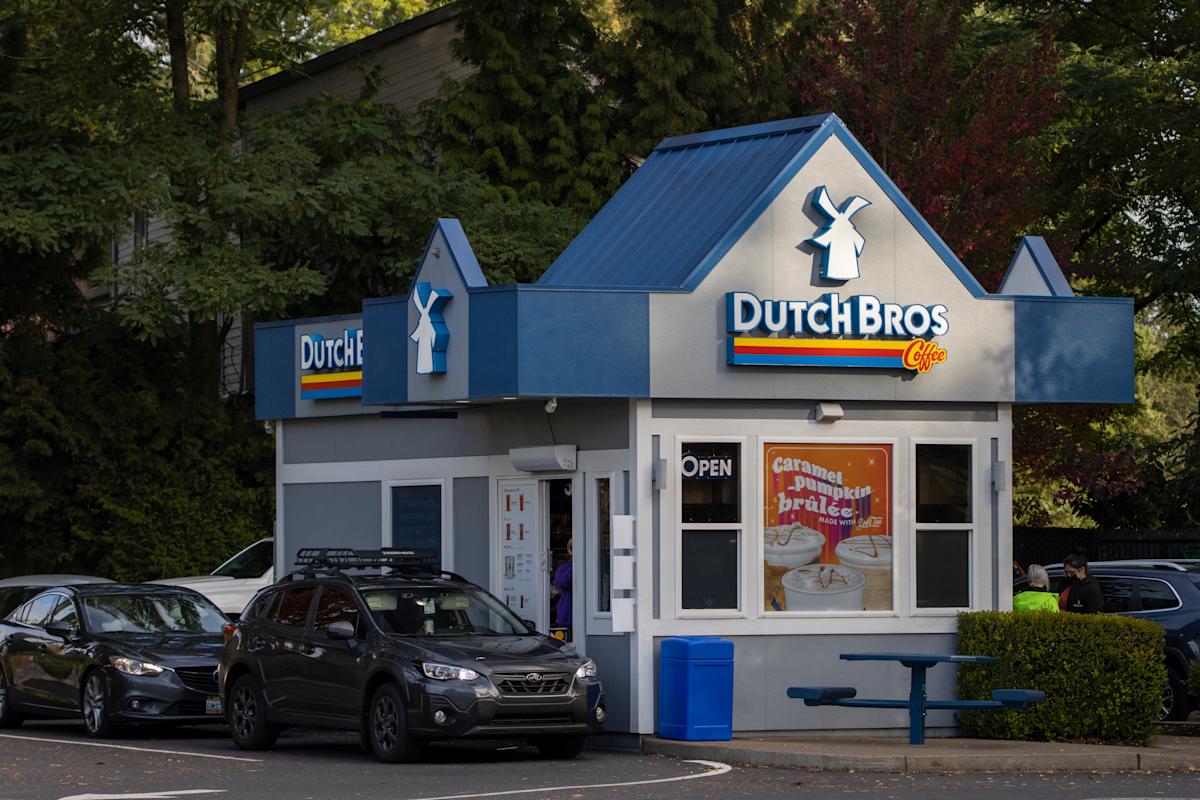

Dutch Bros’ Rapid Expansion and Market Disruption: How the Coffee Chain is Challenging Starbucks and Dunkin’ with Strong Growth and Customer Loyalty

Dutch Bros’ Rapid Expansion and Market Disruption: How the Coffee Chain is Challenging Starbucks and Dunkin’ with Strong Growth and Customer Loyalty

Dutch Bros is rapidly expanding its footprint and disrupting the coffee market by challenging giants like Starbucks and Dunkin’ with strong growth and customer loyalty. The chain aims to more than double its store count to over 2,000 locations by 2029, fueled by a 20% annual revenue growth forecast and an expanded total addressable market exceeding 7,000 potential outlets. Rapid store openings, including entry into new states, combined with increased same-store sales driven by higher transaction volumes, mobile ordering growth, and the introduction of new food offerings and consumer packaged goods, position Dutch Bros as a formidable competitor in the U.S. coffee industry. Leveraging culture, data insights, and a focused rewards program, Dutch Bros continues to build brand awareness and customer engagement while maintaining strong margins at the store level, signaling sustained momentum and significant future potential.

CAVA Group Q2 2025 Earnings: Strong Revenue Growth Overshadowed by Slowing Same-Store Sales and Stock Drop

CAVA Group Q2 2025 Earnings: Strong Revenue Growth Overshadowed by Slowing Same-Store Sales and Stock Drop

CAVA Group reported strong revenue growth of 20.3% in Q2 2025, reaching $278.2 million, reflecting continued expansion in its fast-casual Mediterranean cuisine business. However, same-store sales growth slowed significantly to 2.1% compared to 14.4% in the prior-year quarter, leading to a rare revenue miss against analyst expectations. Adjusted diluted earnings per share rose 14.3% to $0.16, with a solid restaurant-level profit margin of 26.3%. Despite the positive financial results and strong margins, the slowdown in sales growth caused the company to lower its same-store sales growth guidance to 4.0% to 6.0% for the year. CAVA’s Q2 performance highlights a balance between robust revenue gains and emerging challenges in sustaining high growth momentum.

Crypto Summer 2025: How Ethereum, AI, DeFi, and Institutional ETFs Are Driving the Market Beyond Bitcoin

Crypto Summer 2025: How Ethereum, AI, DeFi, and Institutional ETFs Are Driving the Market Beyond Bitcoin

Crypto Summer 2025 is set to redefine the market landscape with Ethereum’s Layer 2 scaling solutions, AI-powered blockchain innovations, the expansion of DeFi ecosystems, and the growing institutional adoption of ETFs beyond Bitcoin. These factors collectively drive enhanced transaction speeds, reduced fees, and broader mainstream access, fueling substantial market growth and investor confidence. As institutional giants continue to embrace cryptocurrency through Bitcoin ETFs and Ethereum’s blockchain advances, the crypto market’s evolution is poised to accelerate, offering unique opportunities for traders, developers, and financial institutions this summer. Staying informed on these powerful trends is essential to capitalize on the dynamic crypto environment in 2025.

Stock Market Surges as Fed Rate Cut Bets Soar Following Steady Inflation and Weak Labor Data

Stock Market Surges as Fed Rate Cut Bets Soar Following Steady Inflation and Weak Labor Data

Stock markets surge as investors ramp up expectations for Federal Reserve rate cuts, driven by steady inflation and weaker labor market data. This shift reflects growing optimism about easing monetary policy to support economic growth.

US Stocks Reach New Highs on Rising September Rate Cut Optimism and AI Tech Surge

US Stocks Reach New Highs on Rising September Rate Cut Optimism and AI Tech Surge

US stocks surged to new highs fueled by rising optimism for a Federal Reserve interest rate cut in September and significant gains in AI technology sectors. The market rally followed better-than-expected inflation data, suggesting inflation pressures may be easing, which increases hopes for looser monetary policy. The S&P 500, Dow Jones Industrial Average, and Nasdaq all edged closer to or reached record levels as investors anticipate cheaper borrowing costs that could stimulate economic growth and investment. The strong performance of AI tech stocks also contributed to the overall market enthusiasm, driving further gains across key indexes. This combination of favorable inflation trends and tech innovation is supporting a bullish outlook for US equities heading into the fall.

U.S. Stock Rally Fueled by Cooler Inflation Sparks Fed Rate Cut Speculation and Tech Sector Surge

U.S. Stock Rally Fueled by Cooler Inflation Sparks Fed Rate Cut Speculation and Tech Sector Surge

U.S. stocks surged as investor optimism grew following cooler-than-expected inflation data, sparking speculation that the Federal Reserve might soon cut interest rates. Major indexes including the Dow, S&P 500, and Nasdaq reached record highs, boosted by strong performances in the technology sector. July’s Consumer Price Index showed inflation holding steady with a slight monthly increase, while core inflation rose due to tariffs on consumer goods, highlighting ongoing underlying price pressures. Despite this, energy costs fell, providing some relief. Market sentiment is upbeat with hopes for a rate cut driving gains, as technology giants lead the rally and investors position themselves for a potential easing of monetary policy.

How July Inflation Data and Labor Market Revisions Are Shaping Fed Rate Cut Expectations and Market Outlook

How July Inflation Data and Labor Market Revisions Are Shaping Fed Rate Cut Expectations and Market Outlook

July’s inflation data showed a steady 2.7% annual increase, slightly cooler than expected, boosting expectations for a Federal Reserve rate cut in September. The Consumer Price Index rose 0.2% in July, driven mainly by shelter costs, while food and energy prices remained stable or declined. These inflation trends, combined with revised weaker labor market data, have increased market confidence in a potential quarter-point rate reduction. Mortgage rates have already begun easing, reflecting investor anticipation of Fed easing measures. Upcoming inflation and employment reports will be key to confirming this trend and shaping the broader economic and market outlook.

How Cathie Wood’s Long-Term AI Investment Strategy Identifies Disruptive Winners and Avoids Market Casualties

How Cathie Wood’s Long-Term AI Investment Strategy Identifies Disruptive Winners and Avoids Market Casualties

Cathie Wood’s long-term AI investment strategy focuses on identifying disruptive technologies with transformative potential across sectors like artificial intelligence, robotics, genomics, blockchain, and energy storage. By combining rigorous open research and cross-sector analysis, her approach targets emerging high-growth companies poised to reshape industries over a 7+ year horizon. Ark Invest’s portfolio emphasizes key innovations including AI, with dynamic adjustments to capture winners early while avoiding market casualties. This strategy embraces the inherent volatility of pioneering tech but aims for outsized returns by investing in foundational innovations driving the next industrial revolution. Wood’s vision highlights AI as the biggest technological wave, emphasizing diversified exposure beyond single companies to capture broader disruption and long-term value creation.

Are US Tech Giants Facing a Turning Point? Analyzing Weak Earnings and Market Challenges

Are US Tech Giants Facing a Turning Point? Analyzing Weak Earnings and Market Challenges

US tech giants are at a potential turning point as they face mixed earnings results and market challenges amid evolving economic conditions. Recent reports show that while key players like Apple, Microsoft, and Amazon have posted positive earnings surprises, growth momentum is moderating compared to previous years. The tech sector’s overall earnings growth remains solid but slower, influenced heavily by strong semiconductor performance, whereas other areas such as software and hardware see more modest gains. These earnings reports, combined with cautious guidance and shifting investor sentiment, suggest a more complex outlook for big tech stocks going forward, highlighting the need for close attention to upcoming earnings seasons and market trends to gauge future performance.

Why Record U.S. Tariff Revenues Won’t Fix the Federal Deficit and How They Impact Your Wallet

Why Record U.S. Tariff Revenues Won’t Fix the Federal Deficit and How They Impact Your Wallet

Record-high U.S. tariff revenues have increased government income but **will not fix the federal budget deficit**, which continues to grow due to rising federal spending and debt servicing costs. Although tariffs generate substantial customs duties and reduce imports, the economic trade-offs include slower GDP growth and higher consumer prices, which can offset fiscal gains. The complex balance between tariff revenue, trade deficits, and broader economic impacts means tariffs alone cannot resolve the nation’s fiscal challenges or prevent the budget deficit from widening. Understanding how tariffs influence both federal finances and your wallet is key to grasping the current economic landscape.

Spirit Airlines’ Dire Warning: Can the Ultra-Low-Cost Carrier Survive Its Looming Liquidity Crisis?

Spirit Airlines’ Dire Warning: Can the Ultra-Low-Cost Carrier Survive Its Looming Liquidity Crisis?

Spirit Airlines faces a severe liquidity crisis threatening its survival within the next year despite recently emerging from bankruptcy. The ultra-low-cost carrier cites ongoing weak demand for domestic leisure travel and adverse market conditions, which have created a challenging pricing environment and strained cash flow. To mitigate financial pressures, Spirit plans to implement strategies such as introducing Premium Economy seating, selling and leasing back spare engines, furloughing pilots, and considering the sale of aircraft and airport gate rights. However, these measures risk reducing operational capacity and passenger appeal, underscoring the airline’s urgent need to stabilize its finances amidst rising costs and mounting debt. Without significant improvement, Spirit Airlines’ ability to sustain operations remains uncertain as it navigates an intensely volatile airline industry throughout 2025.

1 40 41 42 43 44 86
Why Keeping Cash at Home Is Essential for Crisis Preparedness and Financial Security
25Sep

Why Keeping Cash at Home Is Essential for Crisis Preparedness and Financial Security

Keeping cash at home is a vital part of crisis preparedness and financial security. In emergencies such as natural disasters, power outages, or system disruptions, having physical cash ensures you can purchase essential items like food, medicine, and fuel when digital payments may not work. Experts recommend keeping enough cash to cover bare necessities for at least a few days to two months, depending on your needs and local costs. Storing small denominations helps with everyday transactions during crises. Additionally, maintaining a stock of non-perishable food and essentials reduces the immediate need for cash expenditures. Preparing in this way supports your ability to respond swiftly and maintain stability during unexpected disruptions, making cash at home a crucial element of a resilient emergency plan.

What a $20 Billion US-Argentina Swap Line Could Mean for Global Markets and Emerging Economies
24Sep

What a $20 Billion US-Argentina Swap Line Could Mean for Global Markets and Emerging Economies

The proposed $20 billion US-Argentina swap line marks a significant move to stabilize Argentina’s economy and bolster global market confidence. This financial arrangement aims to provide Argentina’s central bank with much-needed dollar liquidity, helping counter speculators and reduce market volatility. Alongside potential purchases of Argentina’s dollar-denominated bonds and standby credit support, the swap line underscores US commitment to emerging economies facing fiscal challenges. This initiative could enhance investor trust, strengthen currency stability, and serve as a model for international cooperation in supporting vulnerable markets worldwide.

Greece 2025 Wage Increases: Public Sector Raises, Minimum Wage Boost to €880, and Social Security Updates
24Sep

Greece 2025 Wage Increases: Public Sector Raises, Minimum Wage Boost to €880, and Social Security Updates

Greece is set to implement significant wage increases in 2025, including a public sector salary rise of 4.5% to 5% and a minimum wage boost to €880 per month for white-collar workers, with blue-collar workers receiving a daily minimum wage of €39.30. These changes aim to support workers facing rising living costs and align with new legislative reforms that strengthen collective bargaining and social security provisions. Employers across sectors must update compensation packages to comply with the new wage levels and statutory bonuses, ensuring timely payments and legal adherence. This wage adjustment marks a crucial step in enhancing workers’ purchasing power and reflects ongoing efforts to stabilize the Greek labor market amid economic challenges.

Why Britain’s Economy Is Stagnating: Lessons from the 1970s and What the Future Holds
24Sep

Why Britain’s Economy Is Stagnating: Lessons from the 1970s and What the Future Holds

Britain’s economy is showing signs of stagnation, facing challenges similar to those of the 1970s, including rising business costs, sluggish productivity, and structural weaknesses. Despite a modest GDP growth of 0.3% in the second quarter of 2025, the UK economy is struggling with higher inflation, weakening consumer demand, and subdued business investment. Inflation is expected to remain high, with the UK likely experiencing the worst inflation rate in the G7 this year. Fiscal pressures and tightening policy further threaten economic momentum, suggesting a prolonged period of slow growth ahead. Understanding these dynamics and learning from past economic stagnations is crucial for anticipating the UK’s economic future and navigating ongoing challenges.

How U.S. Intervention Saved Argentina’s Economy Amid Milei’s Radical Reforms and Peso Crisis
23Sep

How U.S. Intervention Saved Argentina’s Economy Amid Milei’s Radical Reforms and Peso Crisis

U.S. intervention played a crucial role in stabilizing Argentina’s economy amid the peso crisis and the radical reforms introduced by President Milei. By utilizing the Treasury’s Exchange Stabilization Fund, the U.S. provided timely financial support to bolster Argentina’s currency and government debt, helping to prevent a deeper economic collapse ahead of critical elections. This strategic support offered Argentina essential breathing room to implement necessary reforms, despite the challenges of capital flight and limited access to private markets following the 2019 debt default. With Argentina heavily reliant on IMF loans, U.S. involvement signaled a focused effort to maintain regional economic stability and support Argentina’s recovery trajectory.

Singapore Stock Market Outlook 2025: Banking Strength, Industrial Growth, and Rising Dividends Drive Resilience and Investor Confidence
23Sep

Singapore Stock Market Outlook 2025: Banking Strength, Industrial Growth, and Rising Dividends Drive Resilience and Investor Confidence

Singapore’s stock market outlook for 2025 is marked by robust banking sector strength, accelerating industrial growth, and rising dividends, all contributing to market resilience and growing investor confidence. The city-state is projected to achieve steady economic growth around 2.8%, supported by dynamic sectors such as electronics, finance, ICT, and trade-related services. Singapore’s strategic role in the global semiconductor supply chain and digitalization trends, including the adoption of AI technologies, further bolster industrial expansion. Meanwhile, Singapore banks benefit from global geopolitical uncertainties, attracting foreign capital and reinforcing financial sector stability. Corporate restructuring, new product launches, and government initiatives are revitalizing local companies and capital markets, presenting attractive investment opportunities. With ongoing equity market reforms and productivity gains, Singapore is expected to enter a new era of wealth creation, poised for rising shareholder returns and a potential doubling of its equity market index in the coming years. Investors looking for stability combined with growth potential will find Singapore’s market increasingly compelling throughout 2025.

1 40 41 42 43 44 171

1uptick Analytics @

Maximize your profit at ease

Risk Warning​

*Investment involves risk. You may use the information, strategies and trading signals on this website for academic and reference purposes at your own discretion. 1uptick cannot and does not guarantee that any current or future buy or sell comments and messages posted on this website/app will be profitable. Past performance is not necessarily indicative of future performance. It is impossible for 1uptick to make such guarantees and users should not make such assumptions. Readers should seek independent professional advice before executing a transaction. 1uptick will not solicit any subscribers or visitors to execute any transactions, and you are responsible for all executed transactions.

© 2022-25 – 1uptick Analytics all rights reserved.


Risk Warning​

*Investment involves risk. You may use the information, strategies and trading signals on this website for academic and reference purposes at your own discretion. 1uptick cannot and does not guarantee that any current or future buy or sell comments and messages posted on this website/app will be profitable. Past performance is not necessarily indicative of future performance. It is impossible for 1uptick to make such guarantees and users should not make such assumptions. Readers should seek independent professional advice before executing a transaction. 1uptick will not solicit any subscribers or visitors to execute any transactions, and you are responsible for all executed transactions.

© 1uptick Analytics all rights reserved.

Home
Analysis
Calendar
Tools
Signals