

Insightz

Insightz
Stocks Edge Higher Amid Fed Policy Speculation and Political Uncertainty: Market Update and Key Movers

Stocks Edge Higher Amid Fed Policy Speculation and Political Uncertainty: Market Update and Key Movers

Stocks edged higher amid speculation over Federal Reserve policy and ongoing political uncertainty, reflecting cautious optimism in the market. Despite mixed economic signals including slower GDP growth and weak jobs reports, major indexes have maintained gains over the past quarter. Investor confidence is supported by strong corporate profits and expectations of potential Fed interest rate cuts. Key sectors showed varied performance, with technology stocks leading gains while financials appear overvalued. The market outlook remains guarded as risks from geopolitical tensions and economic slowdown persist, encouraging investors to approach industrials and other areas with caution to manage earnings risks. This dynamic environment highlights the importance of strategic stock selection and attention to market valuations for investors navigating 2025.


SoundHound AI’s Record Growth, The Trade Desk’s Decline, and Wendy’s Profit Warning: Key Takeaways from This Week’s Earnings Season

SoundHound AI’s Record Growth, The Trade Desk’s Decline, and Wendy’s Profit Warning: Key Takeaways from This Week’s Earnings Season

SoundHound AI reported a record-breaking second quarter in 2025 with revenue soaring 217% year-over-year to $42.7 million, significantly surpassing analyst estimates. The company raised its full-year revenue outlook to $160-$178 million, driven by strong growth across its AI business units—including automotive voice assistants, enterprise AI for customer service, and AI-powered restaurant automation. Despite a contraction in gross margins due to acquisition-related changes, SoundHound is on track to achieve adjusted profitability by year-end 2025, fueled by major customer wins and expanding deployments in high-growth sectors. This robust financial performance underscores SoundHound AI’s leading position in voice and conversational AI technology and highlights its potential as a transformative force in multiple industries.

How Trump’s 25% Auto Tariffs Are Costing Automakers $11.7 Billion and Reshaping the Global Car Market

How Trump’s 25% Auto Tariffs Are Costing Automakers $11.7 Billion and Reshaping the Global Car Market

President Trump’s 25% tariff on imported automobiles and key automotive parts is significantly impacting the U.S. auto industry, costing automakers approximately $11.7 billion while reshaping the global car market. These tariffs apply to passenger vehicles, light trucks, and crucial components like engines, transmissions, and electrical parts, increasing costs for manufacturers relying on global supply chains. While vehicles and parts imported under the United States-Mexico-Canada Agreement (USMCA) may avoid these tariffs if they meet North American content criteria, most imports face steep tariffs designed to protect U.S. national security and domestic manufacturing. This policy has contributed to higher vehicle prices for consumers, altered trade dynamics, and forced automakers to reassess manufacturing and sourcing strategies worldwide. The ongoing tariff adjustments continue to affect market competitiveness and the structure of the international automotive supply chain.

Apple Pledges $600 Billion U.S. Investment Amid Trump’s “America First” Manufacturing Push

Apple Pledges $600 Billion U.S. Investment Amid Trump’s “America First” Manufacturing Push

Apple has pledged a monumental $600 billion investment in U.S. manufacturing over the next four years, significantly expanding its commitment to American innovation and job creation. This initiative includes launching an American Manufacturing Program to incentivize suppliers and partners to bring more production stateside, creating tens of thousands of new jobs. The plan features new advanced manufacturing facilities, such as a cutting-edge factory in Texas, and a strengthened focus on developing technologies like artificial intelligence and silicon engineering. Apple’s partnership with Corning will localize production of iPhone and Apple Watch cover glass in Kentucky, reinforcing their dedication to domestic manufacturing. This historic investment supports President Trump’s “America First” manufacturing agenda and marks Apple’s largest-ever U.S. spend commitment, underscoring the company’s confidence in American industry and workforce development.

Why Wall Street Is Divided on the Timing of Federal Reserve Interest Rate Cuts in 2025

Why Wall Street Is Divided on the Timing of Federal Reserve Interest Rate Cuts in 2025

Wall Street remains split on when the Federal Reserve will start cutting interest rates in 2025, reflecting uncertainty over economic indicators like inflation and the labor market. Some experts point to rising risks that the Fed may need to cut rates by 50 basis points later in the year if unemployment spikes, signaling a potential economic downturn. Others expect a more cautious approach, with gradual rate cuts likely only if inflation trends stabilize and the labor market remains strong. The timing and size of Fed rate cuts will ultimately hinge on evolving data around tariffs, inflation pressures, and employment dynamics, keeping investors watchful in a volatile economic environment.

Intel CEO Lip-Bu Tan Faces Calls to Resign Over China Military Links Amid National Security Concerns

Intel CEO Lip-Bu Tan Faces Calls to Resign Over China Military Links Amid National Security Concerns

Intel CEO Lip-Bu Tan is facing significant national security scrutiny due to his extensive investments in Chinese technology firms, some with ties to the Chinese military. These connections have raised concerns among U.S. lawmakers and officials, especially given Intel’s defense contracts with the U.S. government. Tan, appointed in March 2025 to lead Intel’s turnaround, has invested over $200 million in Chinese advanced manufacturing and semiconductor companies through his venture capital firm over several decades. Critics, including prominent politicians, call for his resignation, citing potential conflicts of interest and risks to U.S. economic and security interests. Despite the controversy, Tan maintains his commitment to U.S. national security, has engaged with the White House to clarify matters, and remains fully supported by Intel’s board as the company navigates these challenges amid intense industry competition.

Chen Liwu Responds to Trump’s Criticism, Affirms Loyalty and Compliance Amid U.S.-China Business Scrutiny

Chen Liwu Responds to Trump’s Criticism, Affirms Loyalty and Compliance Amid U.S.-China Business Scrutiny

Chen Liwu firmly addresses recent criticisms from former U.S. President Donald Trump, emphasizing unwavering loyalty and full compliance amid ongoing scrutiny of U.S.-China business relations. With increasing tensions surrounding international trade and political rhetoric, Chen highlights the commitment to lawful practices and cooperative engagement as key to maintaining stable economic ties between the two nations. This statement comes at a critical time of heightened political discourse and regulatory examination, reinforcing the importance of transparency and adherence to legal and ethical standards in global business operations.

Why U.S. Stocks Are Facing Fragility Despite Record Highs: Risks, Valuations, and Market Outlook for Summer 2025

Why U.S. Stocks Are Facing Fragility Despite Record Highs: Risks, Valuations, and Market Outlook for Summer 2025

U.S. stocks in 2025 face significant fragility despite reaching record highs, driven by elevated valuations, tariff-induced uncertainty, and challenges in earnings growth. Following a sharp market crash triggered by new sweeping tariff policies announced in April, a swift rally ensued after tariff pauses and initial trade deals, pushing major indices back to all-time highs. However, the market’s rebound is tempered by expensive stock valuations that limit further expansion through multiples, requiring stronger earnings growth which remains uncertain amid ongoing trade tensions. Investors are advised to adopt a strategic, long-term outlook emphasizing portfolio durability, with interest in income-producing assets like real estate and bonds that offer more attractive risk-adjusted returns. The evolving tariff landscape and global economic responses continue to create volatility, underscoring the complex path ahead for U.S. equities through summer 2025.

President Trump’s Executive Order Targets Politicized Debanking to Guarantee Fair Banking for All Americans

President Trump’s Executive Order Targets Politicized Debanking to Guarantee Fair Banking for All Americans

President Trump’s new Executive Order, “Guaranteeing Fair Banking for All Americans,” targets politicized and unlawful debanking by directing federal financial regulators to ensure fair access to banking services for all individuals regardless of their political, religious, or business affiliations. This Order mandates that banking decisions be based solely on individualized, objective, and risk-based analyses, prohibiting banks and financial institutions from denying services due to constitutionally or statutorily protected beliefs. By expanding on prior federal efforts, this policy reinforces the commitment to prevent discriminatory banking practices and promotes equitable financial inclusion across the United States.

Trump’s Executive Order Opens 401(k) Plans to Cryptocurrency, Private Equity, and Alternative Investments

Trump’s Executive Order Opens 401(k) Plans to Cryptocurrency, Private Equity, and Alternative Investments

President Trump’s new executive order significantly expands 401(k) retirement plan options, allowing Americans to invest in alternative assets such as cryptocurrencies, private equity, and real estate. This move aims to democratize access to these higher-risk, potentially higher-reward investments, which were previously restricted due to regulatory limits and fiduciary concerns. Although changes to regulations will take time, the executive order directs federal agencies to revise rules to enable retirement plans to offer more diverse investment choices beyond traditional stocks and bonds. This development could reshape retirement investing by opening trillions of dollars to alternative asset markets, appealing particularly to younger, tech-savvy workers seeking new growth opportunities in their portfolios. However, adoption will depend on plan administrators’ willingness to manage the risks and complexities associated with private equity and cryptocurrencies. Overall, this initiative marks a pivotal shift in retirement investing, broadening the potential for long-term growth and diversification within 401(k) plans.

Earnings Season Highlights: Eli Lilly’s Drug Challenges, Pinterest’s Setback, Expedia and Block’s Market Surge

Earnings Season Highlights: Eli Lilly’s Drug Challenges, Pinterest’s Setback, Expedia and Block’s Market Surge

Earnings season reveals key market movements as Eli Lilly faces challenges with its drug portfolio, Pinterest hits a setback, while Expedia and Block experience significant market surges. Stay updated on the latest financial trends and stock impacts in the evolving business landscape.

How U.S. Semiconductor Stocks Rally Amid Tariffs and AI-Driven Market Shifts in 2025

How U.S. Semiconductor Stocks Rally Amid Tariffs and AI-Driven Market Shifts in 2025

U.S. semiconductor stocks are experiencing a strong rally in 2025, driven by surging demand for AI-related chips and data center expansions despite ongoing tariff challenges. The industry is set for record-breaking growth, with global chip sales expected to reach historic highs fueled by innovations in generative AI and application-specific integrated circuits (ASICs). Leading companies like Broadcom, Nvidia, and Taiwan Semiconductor Manufacturing Company are capitalizing on AI-driven market shifts and government incentives, positioning the sector for robust revenue gains. However, geopolitical tensions and tariff risks remain factors influencing production strategies and stock performance in this dynamic landscape. Investors are closely watching the top semiconductor stocks and ETFs as this pivotal technology sector continues to reshape global markets.

1 47 48 49 50 51 86
U.S. Job Market Faces Historic Downward Revision: Nearly 1 Million Jobs Overestimated in Post-Pandemic Recovery
10Sep

U.S. Job Market Faces Historic Downward Revision: Nearly 1 Million Jobs Overestimated in Post-Pandemic Recovery

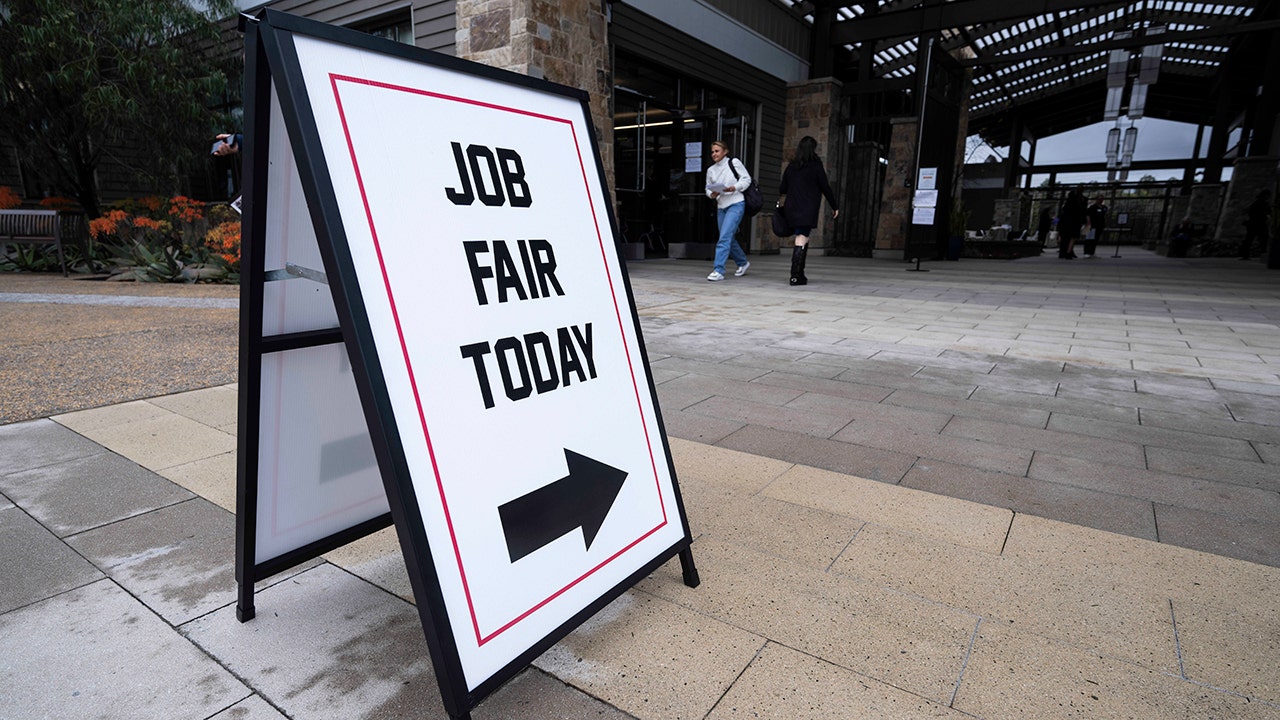
The U.S. job market has undergone a historic downward revision, with nearly 1 million jobs overestimated in the post-pandemic recovery period. According to the latest data revision, the labor market added 911,000 fewer jobs in the 12 months ending March 2025 than previously reported, signaling a slower hiring pace than initially thought. This significant adjustment reflects challenges in the labor market and underscores the need to reevaluate economic growth expectations. Monthly job growth in 2025 now averages 44,000 jobs, down from earlier estimates of 75,000, highlighting a weakening employment trend. These revisions, part of the Bureau of Labor Statistics’ regular data updates, aim to provide a more accurate picture of business openings and closures, impacting overall employment figures. The revised numbers have also sparked political debate regarding the accuracy of labor statistics, emphasizing the importance of scrutinizing job market data in shaping economic policy.

Largest U.S. Job Growth Revision in History Reveals Weaker Labor Market and Economic Concerns
10Sep

Largest U.S. Job Growth Revision in History Reveals Weaker Labor Market and Economic Concerns

Discover the latest insights on the U.S. labor market with the largest job growth revision in history, revealing signs of a weaker employment landscape and growing economic concerns. Despite minor increases in some sectors, overall job openings and payroll employment showed limited change, indicating slowing momentum in hiring. Key industries such as healthcare gained jobs, while federal government and mining sectors experienced losses. Unemployment rates remained steady but highlight ongoing challenges across demographic groups. Stay informed on how these shifts impact economic forecasts and labor market stability.

Why Americans’ Confidence in the Job Market Has Hit a Record Low and What It Means for 2025
09Sep

Why Americans’ Confidence in the Job Market Has Hit a Record Low and What It Means for 2025

Americans’ confidence in the job market has reached a historic low in 2025, with a sharp decline in the perceived likelihood of finding new employment if they lose their current jobs. This drop in confidence coincides with slower job growth, a rise in unemployment to 4.3%, and longer job searches averaging 24 weeks. Employers across various sectors are cautious, cutting back on hiring and pausing recruitment amid economic uncertainty and technological shifts such as AI adoption. These trends indicate a cooling labor market where job seekers face increased challenges, while workers are less likely to voluntarily leave their jobs. Understanding these dynamics is crucial as the economy navigates ongoing uncertainties through 2025.

Navigating US-South Korea Relations in the Trump Era: Tariffs, Tech Conflicts, and Strategic Challenges
09Sep

Navigating US-South Korea Relations in the Trump Era: Tariffs, Tech Conflicts, and Strategic Challenges

Navigating US-South Korea relations during the Trump era involved complex challenges spanning tariffs, technology conflicts, and strategic security issues. Despite President Trump’s trade demands and calls for increased South Korean defense spending, the longstanding alliance remained resilient, with both countries reaffirming commitments to trade and military cooperation. Key developments included negotiated tariff reductions, substantial South Korean investments in the US—including in shipbuilding and energy—and efforts to modernize defense collaboration amid North Korean tensions and US-China competition. While progress was made, legal hurdles and geopolitical pressures, especially involving China, continue to shape the future of US-South Korea relations. This period highlighted the delicate balance between economic interests and strategic imperatives in maintaining a critical Asia-Pacific partnership.

Japan’s Political Shift: Prime Minister Shigeru Ishiba Resigns Amid LDP Turmoil and Economic Challenges
09Sep

Japan’s Political Shift: Prime Minister Shigeru Ishiba Resigns Amid LDP Turmoil and Economic Challenges

Japan faces a major political shift as Prime Minister Shigeru Ishiba resigns amid mounting challenges within the Liberal Democratic Party (LDP) and ongoing economic pressures. Ishiba’s departure follows historic election losses for the LDP, which lost its parliamentary majority in both houses for the first time since 1955. His resignation comes after securing a tentative trade deal with the United States, aimed at alleviating tensions triggered by U.S. tariffs, but many uncertainties remain regarding Japan’s future political stability and economic policy. The party now prepares for a leadership election to determine Ishiba’s successor, marking a critical juncture for Japan’s government and its strategic alliances.

France’s Economic Crisis Explained: Debt, Productivity Slump, Political Instability, and the Path to Reform
08Sep

France’s Economic Crisis Explained: Debt, Productivity Slump, Political Instability, and the Path to Reform

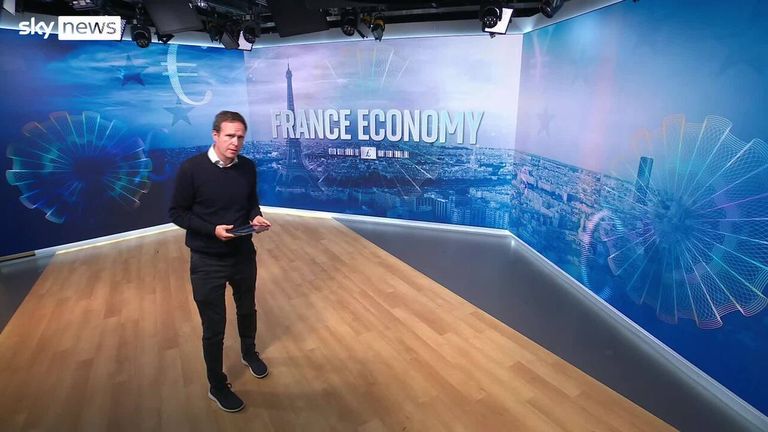
France is facing a severe economic crisis driven by rising public debt, sluggish productivity, and ongoing political instability. With debt expected to reach over 116% of GDP and government spending consuming a large share of the economy, fiscal pressures are mounting. Recent budget plans aim to reduce the deficit through significant spending cuts, but these measures have sparked widespread opposition and government uncertainty. Economic growth is slowing, inflation is dropping, and unemployment remains elevated, complicating France’s recovery prospects. Navigating through this crisis will require decisive reforms in public finances, structural productivity improvements, and stabilizing the political landscape to restore confidence and foster sustainable growth.

1 47 48 49 50 51 171

1uptick Analytics @

Maximize your profit at ease

Risk Warning​

*Investment involves risk. You may use the information, strategies and trading signals on this website for academic and reference purposes at your own discretion. 1uptick cannot and does not guarantee that any current or future buy or sell comments and messages posted on this website/app will be profitable. Past performance is not necessarily indicative of future performance. It is impossible for 1uptick to make such guarantees and users should not make such assumptions. Readers should seek independent professional advice before executing a transaction. 1uptick will not solicit any subscribers or visitors to execute any transactions, and you are responsible for all executed transactions.

© 2022-25 – 1uptick Analytics all rights reserved.


Risk Warning​

*Investment involves risk. You may use the information, strategies and trading signals on this website for academic and reference purposes at your own discretion. 1uptick cannot and does not guarantee that any current or future buy or sell comments and messages posted on this website/app will be profitable. Past performance is not necessarily indicative of future performance. It is impossible for 1uptick to make such guarantees and users should not make such assumptions. Readers should seek independent professional advice before executing a transaction. 1uptick will not solicit any subscribers or visitors to execute any transactions, and you are responsible for all executed transactions.

© 1uptick Analytics all rights reserved.

Home
Analysis
Calendar
Tools
Signals