Insightz

Insightz
Oil Prices Tumble Over 3% as US-Iran Nuclear Deal Nears; Energy Stocks Under Pressure

Oil Prices Tumble Over 3% as US-Iran Nuclear Deal Nears; Energy Stocks Under Pressure

Tensions ease as the U.S. and Iran edge closer to a nuclear deal, sending shockwaves through global markets. On May 15, 2025, international crude oil prices tumbled more than 3% in a single session, with Brent crude briefly dipping to $64 per barrel. Investors are increasingly concerned that a return of Iranian oil exports could flood the market and drive prices lower. Energy stocks declined in tandem with falling oil prices. As uncertainty lingers, market watchers are closely monitoring developments in U.S.-Iran negotiations and the upcoming OPEC+ meeting. For those with exposure to oil-linked assets, a cautious and strategic approach is recommended.

Gold Price Falls Below $3,213 an Ounce in Biggest Six-Month Drop as Strong Dollar and Economic Data Weaken Safe-Haven Demand

Gold Price Falls Below $3,213 an Ounce in Biggest Six-Month Drop as Strong Dollar and Economic Data Weaken Safe-Haven Demand

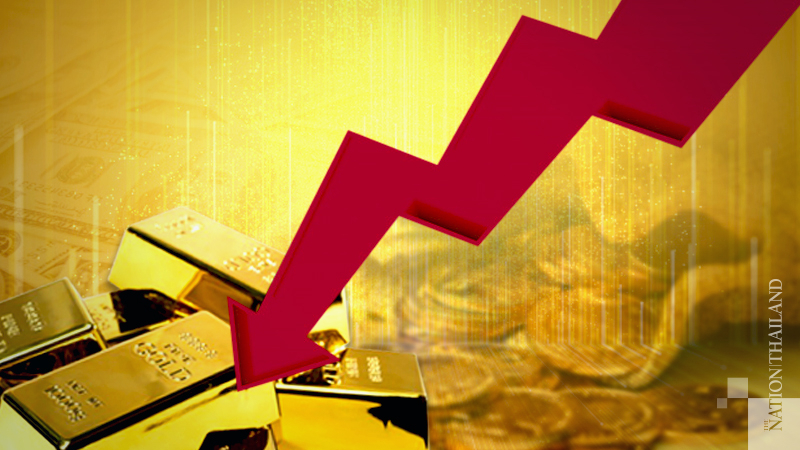
Under pressure from a stronger U.S. dollar and better-than-expected economic data, gold prices have continued to decline recently, falling below $3,213 per ounce and marking the largest weekly drop in six months. As risk-off sentiment among investors fades and technical pressures mount, the short-term outlook for gold remains bearish. Investors in Hong Kong should keep a close eye on key market signals and consider adjusting their asset allocation with caution.

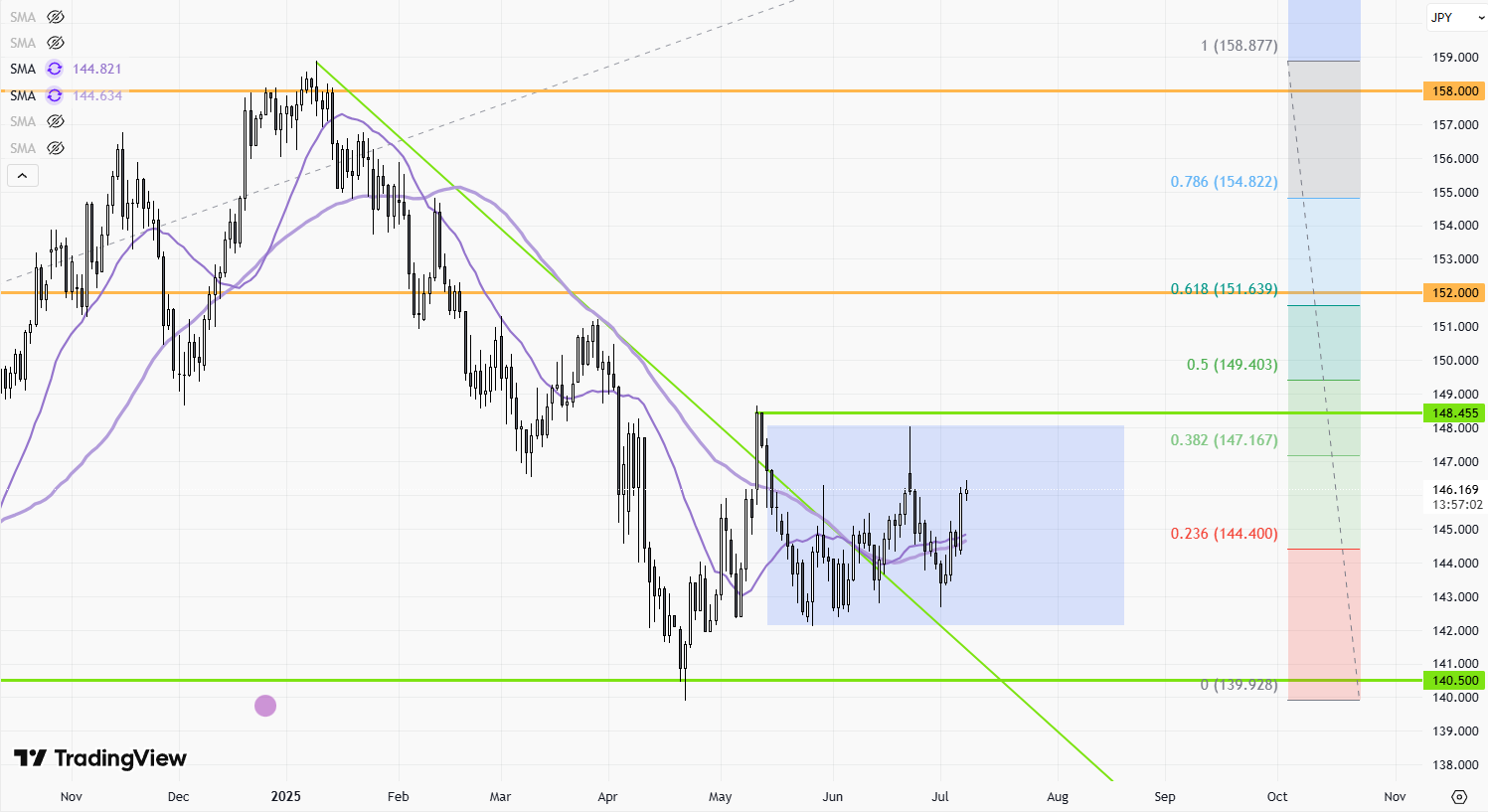
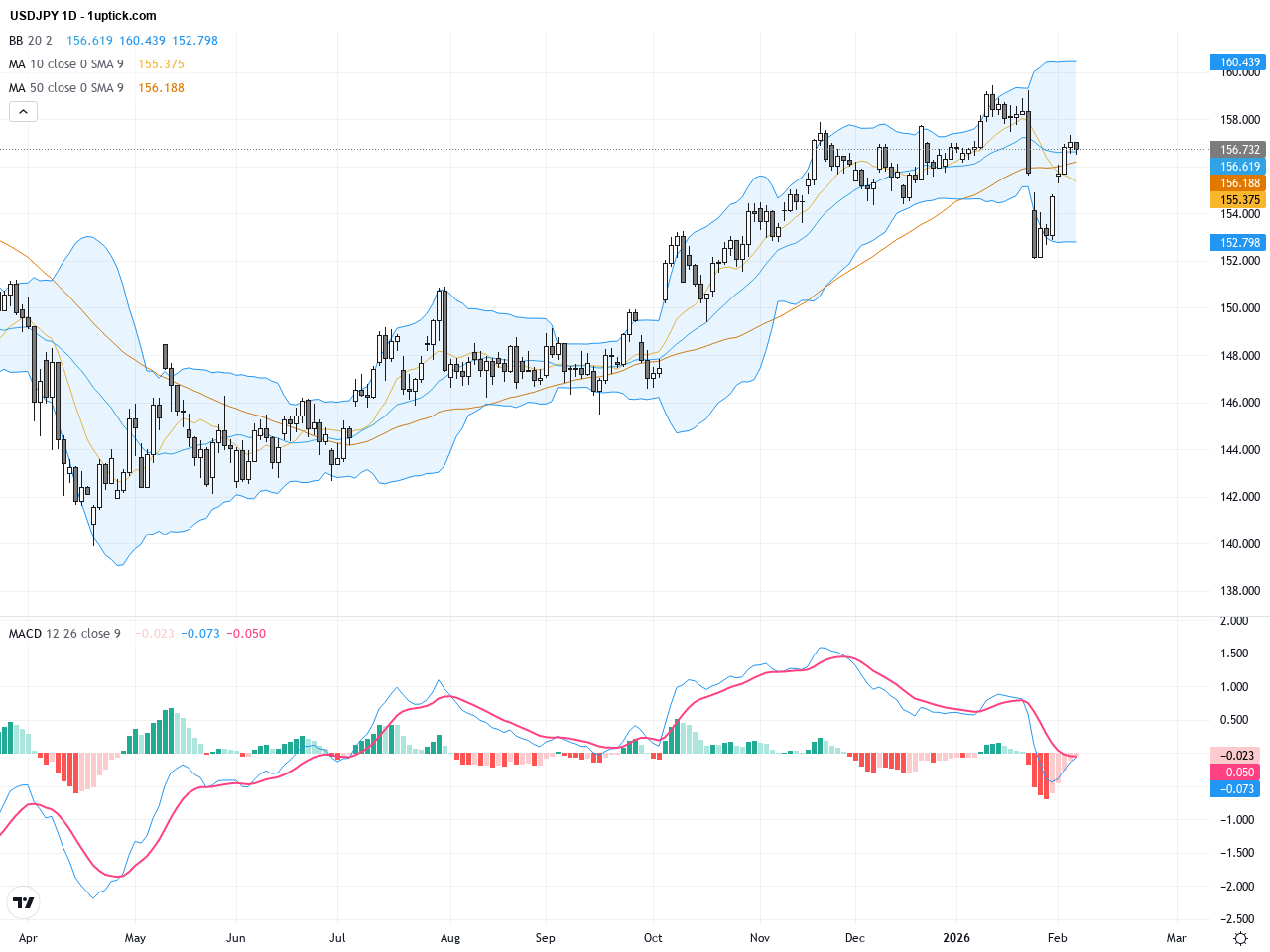
Japan’s GDP Shrinks Unexpectedly, Yen Slides Near 145 as BOJ Stays Dovish and Safe-Haven Demand Grows

Japan’s GDP Shrinks Unexpectedly, Yen Slides Near 145 as BOJ Stays Dovish and Safe-Haven Demand Grows

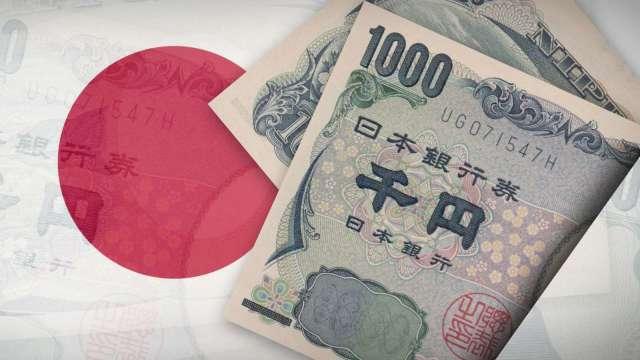
Japan’s economy unexpectedly contracted by 0.7% in the first quarter, raising concerns about the country’s growth outlook. Meanwhile, the Bank of Japan continues to stick with its dovish monetary policy, in contrast to more aggressive stances from other major central banks. As a result, the U.S. dollar is trading near the 145 yen level, with traders watching closely for policy signals from both countries. At the same time, rising global uncertainties are fueling demand for safe-haven assets, which is helping to support the yen. However, if key technical support levels are breached, the yen could see increased volatility in the forex market.

OPEC Cuts Non-OPEC+ Oil Output Forecast as U.S. Shale Struggles — All Eyes on Gas Prices Ahead of Summer Driving Season

OPEC Cuts Non-OPEC+ Oil Output Forecast as U.S. Shale Struggles — All Eyes on Gas Prices Ahead of Summer Driving Season

Global oil markets are entering a new phase of uncertainty. In its latest report, OPEC revised down its 2025 oil supply growth forecast for non-OPEC+ producers, citing mounting pressure from low oil prices and tighter capital spending. U.S. shale production has been particularly affected, with growth noticeably slowing — a trend that could offer OPEC+ an opportunity to maintain market stability. As the peak driving season approaches and geopolitical risks escalate, the outlook for oil prices is becoming increasingly critical for investors and energy markets alike.

UnitedHealth Shocks Wall Street with 2025 Executive Shake-Up and Forecast Withdrawal: Stock Plunges as Healthcare Insurance Outlook Dims

UnitedHealth Shocks Wall Street with 2025 Executive Shake-Up and Forecast Withdrawal: Stock Plunges as Healthcare Insurance Outlook Dims

In May 2025, UnitedHealth, one of the largest health insurance providers in the U.S., shocked Wall Street and the broader healthcare industry with an unexpected leadership shake-up and the withdrawal of its earnings forecast. The news triggered a sharp drop in its stock price and wiped out billions in market value, sparking a crisis of investor confidence.

This article takes a closer look at the underlying business challenges, financial pressures, and systemic risks facing the health insurance sector. We also explore what this upheaval could mean for the future direction of UnitedHealth and the industry as a whole.
US Inflation Falls to 2.3% in April, Lowest in 3 Years — Investors Watch Fed Policy and US-China Trade Trends

US Inflation Falls to 2.3% in April, Lowest in 3 Years — Investors Watch Fed Policy and US-China Trade Trends

U.S. inflation cooled further in April, with the Consumer Price Index (CPI) rising 2.3% year-over-year — the lowest increase in three years. This softer-than-expected reading has eased market concerns about persistent inflationary pressures. However, core CPI, which excludes food and energy, remained unchanged at 2.8%, reflecting ongoing price risks in housing and healthcare. Going forward, developments in U.S.-China trade tariffs and the Federal Reserve’s interest rate decisions will play a critical role in shaping investor sentiment. Market participants should stay vigilant and monitor inflation trends alongside shifts in monetary policy.

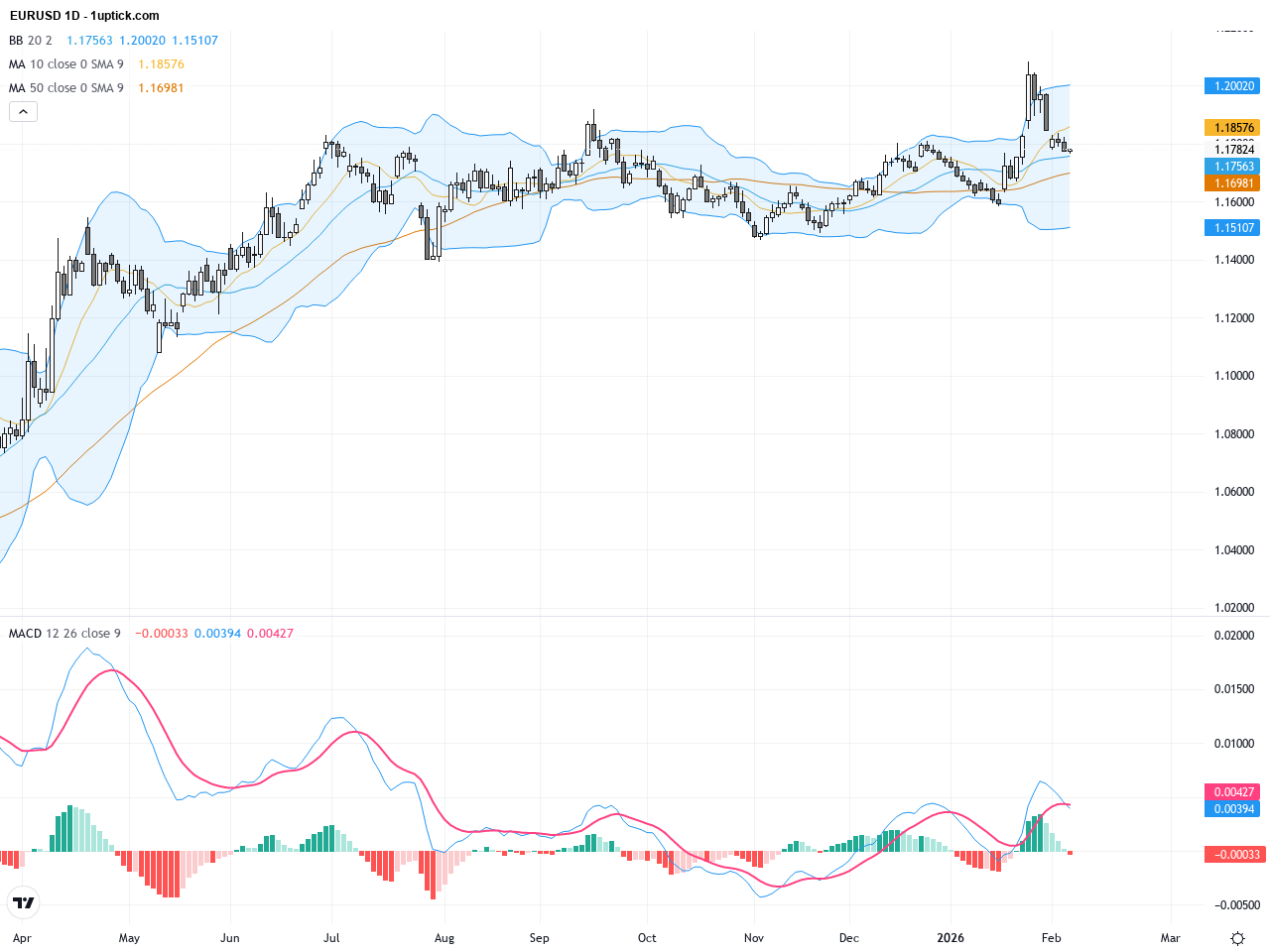
Euro Falls to Five-Week Low Against Dollar as US-China Tariff Easing Lifts Greenback; All Eyes on US CPI for Rate Cut Clues

Euro Falls to Five-Week Low Against Dollar as US-China Tariff Easing Lifts Greenback; All Eyes on US CPI for Rate Cut Clues

The euro has slipped to a five-week low against the US dollar, as easing trade tensions between the U.S. and China lifted demand for the greenback. Investors are now turning their attention to the upcoming U.S. April CPI report, which could play a pivotal role in shaping expectations for potential Federal Reserve rate cuts. From a technical perspective, the euro is at risk of breaking below the 1.1000 support level, increasing the likelihood of further short-term declines in the EUR/USD pair.

Bank of Japan Eyes Economic Shift: Wage Growth and Labor Shortages Drive Domestic Demand, Rate Hikes and Risk Balance Under Scrutiny

Bank of Japan Eyes Economic Shift: Wage Growth and Labor Shortages Drive Domestic Demand, Rate Hikes and Risk Balance Under Scrutiny

The Bank of Japan signals that while inflation is easing, rising wages and labor shortages are expected to support domestic demand and drive structural changes in the economy. As global uncertainty persists, investors are closely watching how Japan will manage the delicate balance between raising interest rates and sustaining economic growth.

U.S. Dollar Hits Multi-Month High as U.S.-China Tariff Truce Sparks Capital Inflows; Hong Kong Stocks and Oil Jump

U.S. Dollar Hits Multi-Month High as U.S.-China Tariff Truce Sparks Capital Inflows; Hong Kong Stocks and Oil Jump

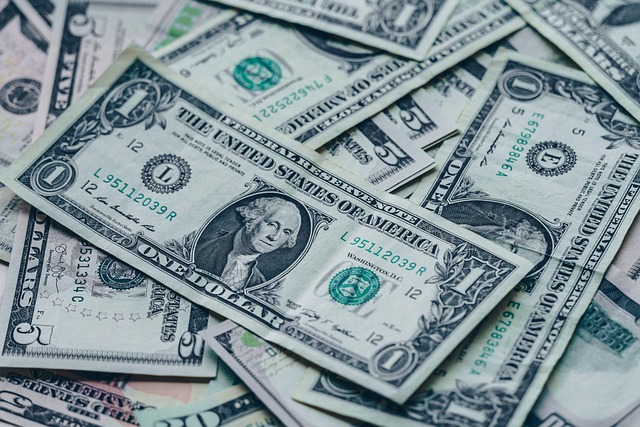
The U.S. and China have agreed to a 90-day tariff truce, sparking the biggest single-day rally in the U.S. Dollar Index in recent months. This easing of trade tensions has lifted market sentiment, with investors showing a renewed appetite for risk assets. Capital is flowing back into the dollar and growth-oriented investments, pushing Hong Kong stocks and crude oil prices higher. While policy and political uncertainties remain, the dollar is showing signs of a strong rebound—an opportunity that investors should not overlook.

Gold Prices Dip Below $3,250 an Ounce as Stronger Dollar and U.S.-China Talks Weigh on Safe-Haven Demand

Gold Prices Dip Below $3,250 an Ounce as Stronger Dollar and U.S.-China Talks Weigh on Safe-Haven Demand

Gold prices have seen increased volatility recently, slipping below $3,250 per ounce. This pullback comes as safe-haven demand eases amid progress in U.S.-China trade talks, a stronger U.S. dollar, and reduced geopolitical tensions. Investors should keep a close eye on upcoming U.S. inflation data and Federal Reserve policy signals, as these factors could mark the next turning point for gold prices.

Hong Kong Stocks Rally as Tech and EV Shares Lead; Citi Raises Hang Seng Target to 25,000 on Valuation Recovery

Hong Kong Stocks Rally as Tech and EV Shares Lead; Citi Raises Hang Seng Target to 25,000 on Valuation Recovery

Hong Kong stocks extended their rally on Monday, with the Hang Seng Index climbing over 212 points in the morning session to reach 23,079. Trading volume exceeded HK$130 billion, led by strong gains in the technology and electric vehicle sectors. Citigroup raised its year-end 2025 target for the Hang Seng Index to 25,000 points, citing improving U.S.-China relations as a key factor supporting valuation recovery. Meanwhile, CATL has kicked off its IPO process, which could become the largest new listing on the Hong Kong Stock Exchange this year. In the currency market, competition among banks for USD time deposit rates is heating up, drawing investor funds with attractive returns. Investors continue to monitor interest rate trends and sector outlooks for future positioning.

U.S.-China Trade Tensions Ease as Trump Plans to Cut Tariffs on Chinese Goods by 80%, Stirring Market Reactions

U.S.-China Trade Tensions Ease as Trump Plans to Cut Tariffs on Chinese Goods by 80%, Stirring Market Reactions

**U.S.-China Trade War Shows Signs of Easing**
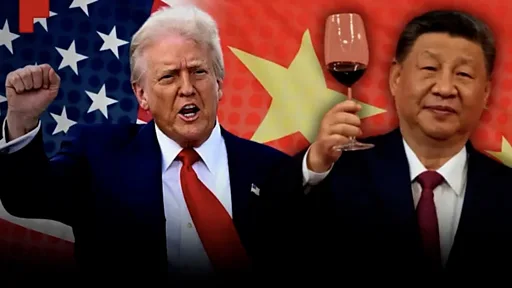
Global markets reacted sharply after U.S. President Donald Trump proposed an 80% reduction in tariffs on Chinese goods. This unexpected move is widely seen as a strategic signal ahead of potential high-level negotiations between the two economic giants. Investors are closely watching how this could reshape global supply chains and shift momentum across financial markets.

1 73 74 75 76 77 86
Investment Strategies for 2025: Navigating Economic Shifts, AI Megatrends, and Market Risks
17Aug

Investment Strategies for 2025: Navigating Economic Shifts, AI Megatrends, and Market Risks

Investment Strategies for 2025 focus on navigating a complex economic landscape shaped by steady but modest global growth, rising productivity driven by AI and automation, and evolving market risks. Economic growth in major regions like the US, Europe, and China is expected to be moderate, with central banks cautiously balancing inflation and interest rates to support a “soft landing” without triggering recessions. The accelerating adoption of AI and related technologies is key to boosting productivity, offering unique investment opportunities in growth equity and venture capital as innovation drives new industry tools and energy demands. Diversification and active management will be crucial to capture trends amid volatility, with market conditions favoring balanced portfolios that can adapt to changing policies, geopolitical uncertainties, and shifts in consumer behavior. Investors should prioritize sectors poised for transformation through technology while managing exposures to inflation and monetary policy risks, aiming for resilience and growth in a year of dynamic economic shifts.

What’s Really Driving Stock Market Volatility and How It Affects Your Investments
16Aug

What’s Really Driving Stock Market Volatility and How It Affects Your Investments

Stock market volatility in 2025 is being driven primarily by escalating tariff uncertainties, elevated valuations in mega-cap tech stocks, and concerns over economic growth and inflation. Recent aggressive trade policies, including sweeping tariffs on major trading partners, have stirred investor anxiety, leading to sharp market fluctuations and panic selling across global markets. This volatility impacts consumer and investor confidence, causing shifts in investment behavior and bond markets. Although tariffs may increase short-term market disruptions and inflation pressures, some are expected to be temporary or moderated through negotiations. Investors navigating this turbulent environment should focus on long-term strategies amid ongoing economic and geopolitical challenges such as debt ceiling debates, international conflicts, and fiscal policies influencing inflation and interest rates.

Hong Kong Financial Markets 2025: Explosive Growth, Record IPOs, and Market Innovation
16Aug

Hong Kong Financial Markets 2025: Explosive Growth, Record IPOs, and Market Innovation

Hong Kong’s financial markets are set for explosive growth in 2025, driven by record IPO activity, strong GDP expansion, and significant innovation in digital assets and wealth management. The economy is projected to grow steadily between 2% and 3%, supported by resilient exports, rising domestic demand, and a buoyant stock market. Hong Kong is rapidly advancing as a global leader in wealth management, bolstered by digital asset adoption where banks now offer tokenised securities and custodial services, with transaction volumes soaring. This dynamic market environment fosters fresh opportunities for investors and positions Hong Kong as a premier financial hub embracing market innovation, sustainable investing, and continued economic resilience throughout 2025.

Why Fed Rate Cuts Don’t Always Lower Mortgage Rates: What Homebuyers Need to Know
16Aug

Why Fed Rate Cuts Don’t Always Lower Mortgage Rates: What Homebuyers Need to Know

Understanding why Federal Reserve rate cuts don’t always lead to lower mortgage rates is essential for homebuyers navigating today’s market. While the Fed influences short-term interest rates, mortgage rates—especially for 30-year fixed loans—are primarily determined by long-term bond market dynamics, inflation expectations, and economic outlooks. As a result, even when the Fed cuts its benchmark rate, mortgage rates can remain steady or even rise due to factors like investor demand for mortgage-backed securities and inflation concerns. Homebuyers should recognize that mortgage rates respond to a complex mix of signals beyond Fed decisions, including market anticipation of future policy moves and broader economic conditions. Being aware of this helps buyers better plan their financing strategy in an environment where Fed rate cuts don’t guarantee cheaper home loans.

Hong Kong Residential Property Market 2025: Recovery Driven by Policy Incentives and Developer Discounts Amid Ongoing Risks
16Aug

Hong Kong Residential Property Market 2025: Recovery Driven by Policy Incentives and Developer Discounts Amid Ongoing Risks

Hong Kong’s residential property market is showing signs of recovery in 2025, driven by government policy incentives, attractive developer discounts, and easing mortgage rates. Transaction volumes in both primary and secondary markets have surged, supported by the gradual decline in the Hong Kong Interbank Offered Rate (HIBOR) which lowers borrowing costs for homebuyers and investors alike. New project launches and competitive pricing strategies by developers have stimulated strong sales momentum, with transaction numbers rising significantly quarter-on-quarter. Despite chronic housing shortages and ongoing macroeconomic uncertainties, improved affordability and promising supply-side reforms provide a bullish outlook for long-term investors. Additionally, rising residential construction completions and better rental yields are attracting renewed interest across the market. However, caution remains as global economic risks and evolving interest rate conditions could impact sustained growth.

U.S. Economy in 2025: Why Slower Growth Signals Sustainable and Balanced Expansion
16Aug

U.S. Economy in 2025: Why Slower Growth Signals Sustainable and Balanced Expansion

U.S. economic growth in 2025 is expected to slow to around 1.4-1.5%, reflecting a transition toward a more sustainable and balanced expansion. Despite this moderation, the economy remains resilient with stronger consumer spending and a rebound in GDP growth in the second quarter after a slight contraction earlier in the year. Labor market activity shows signs of softening, with slower job gains and a modest rise in unemployment projected into early 2026. Key factors influencing the outlook include tariff impacts, cautious business investment growth, and persistent inflation pressures above target. This measured pace of growth signals a shift from rapid expansion toward stability, supported by monetary policy adjustments and ongoing efforts to manage uncertainty in global trade and financial conditions.

1 73 74 75 76 77 171
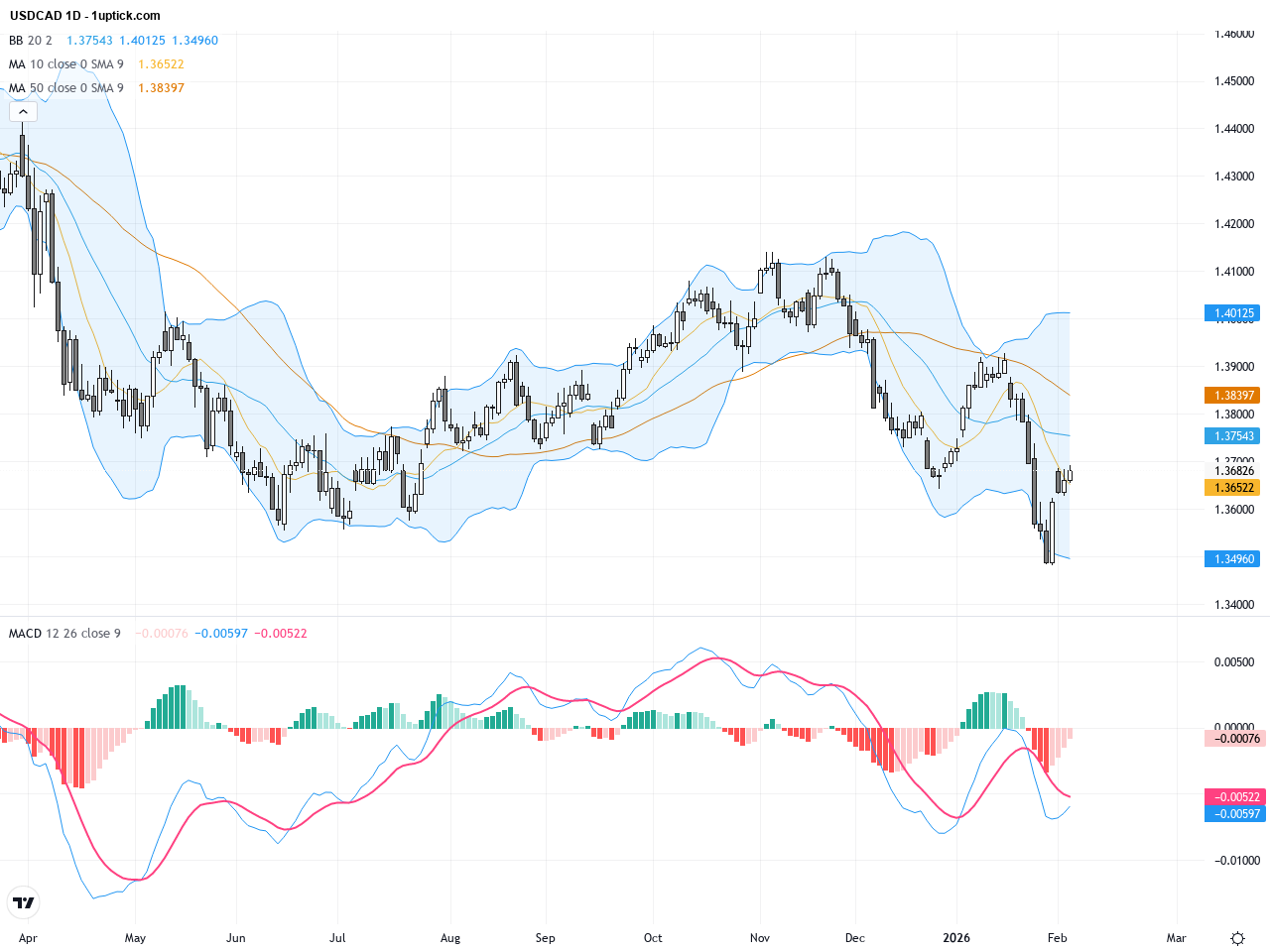
USDCAD-Daily
21Jul

USDCAD-Daily

GBPUSD-Daily
18Jul

GBPUSD-Daily

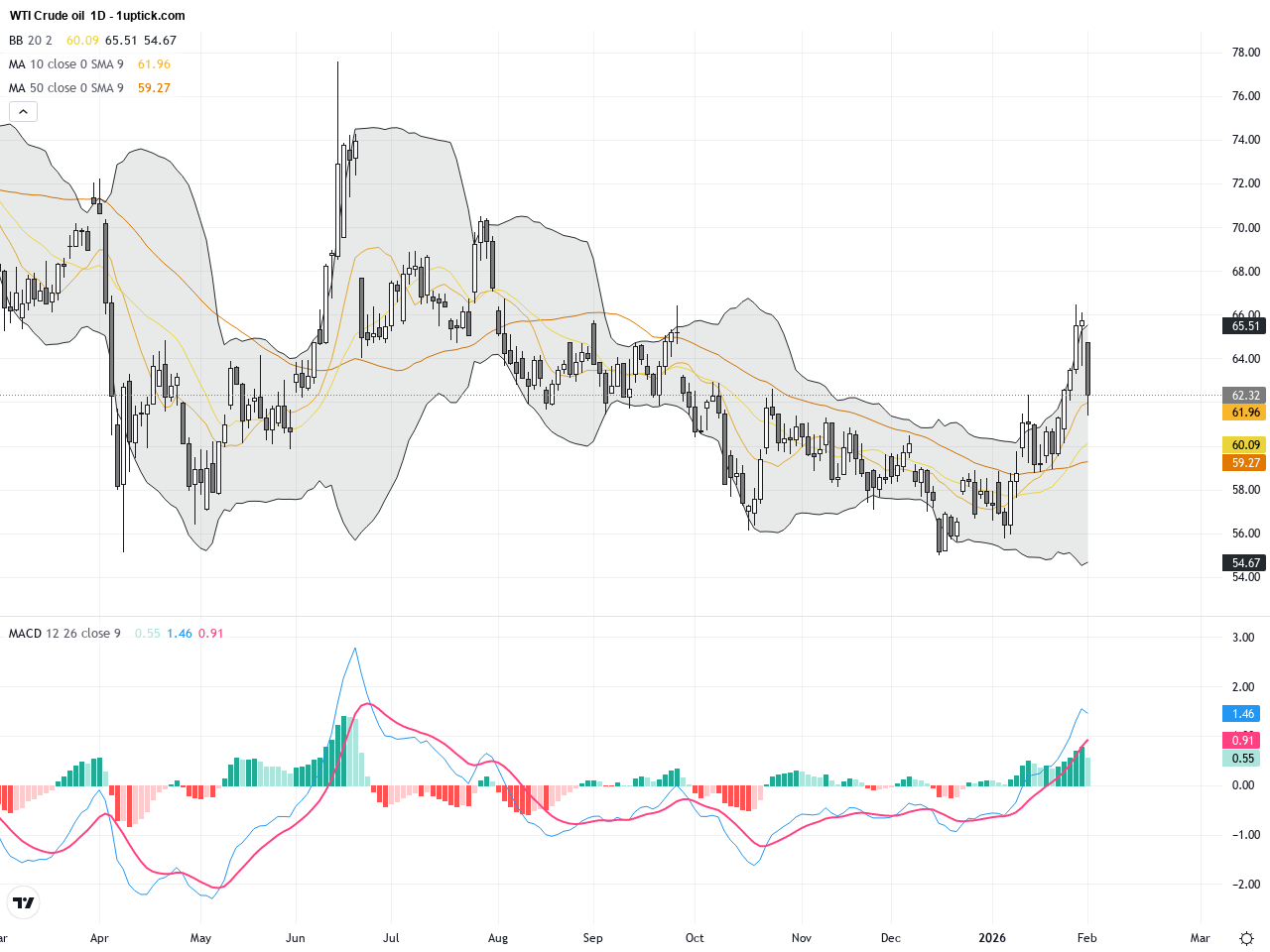
CLc1-Daily
18Jul

CLc1-Daily

1 73 74 75 76 77 97

1uptick Analytics @

Maximize your profit at ease

Risk Warning​

*Investment involves risk. You may use the information, strategies and trading signals on this website for academic and reference purposes at your own discretion. 1uptick cannot and does not guarantee that any current or future buy or sell comments and messages posted on this website/app will be profitable. Past performance is not necessarily indicative of future performance. It is impossible for 1uptick to make such guarantees and users should not make such assumptions. Readers should seek independent professional advice before executing a transaction. 1uptick will not solicit any subscribers or visitors to execute any transactions, and you are responsible for all executed transactions.

© 2022-25 – 1uptick Analytics all rights reserved.


Risk Warning​

*Investment involves risk. You may use the information, strategies and trading signals on this website for academic and reference purposes at your own discretion. 1uptick cannot and does not guarantee that any current or future buy or sell comments and messages posted on this website/app will be profitable. Past performance is not necessarily indicative of future performance. It is impossible for 1uptick to make such guarantees and users should not make such assumptions. Readers should seek independent professional advice before executing a transaction. 1uptick will not solicit any subscribers or visitors to execute any transactions, and you are responsible for all executed transactions.

© 1uptick Analytics all rights reserved.

Home
Analysis
Calendar
Tools
Signals