

Insightz

Insightz
Japan’s Interest Rate Hike: What It Means for Investors

Japan’s Interest Rate Hike: What It Means for Investors

Japan’s Monetary Policy Shift: What Investors Need to Know

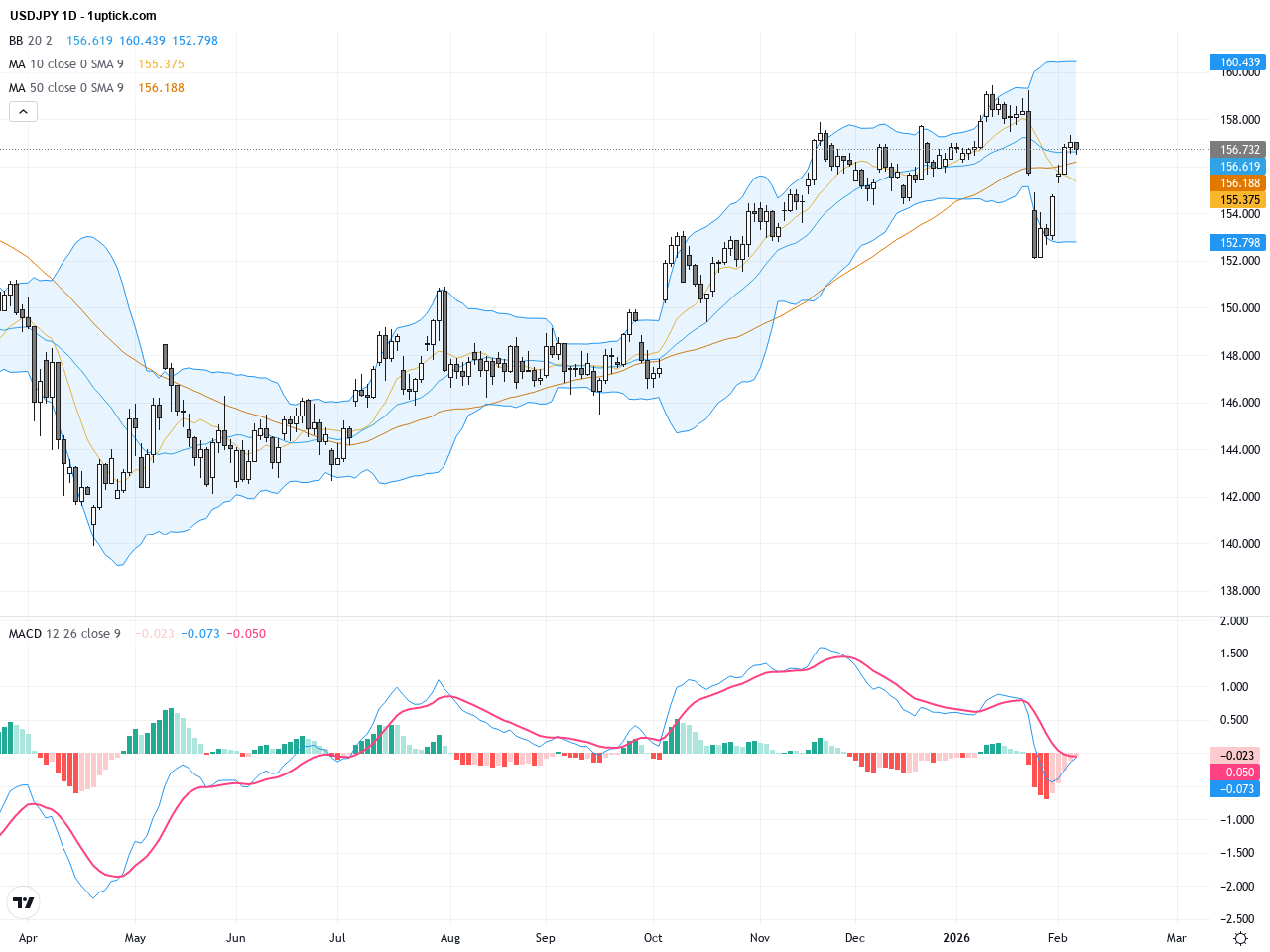
The Bank of Japan is ending its ultra-loose monetary policy, raising interest rates for the first time in 17 years. With rising wages and steady inflation, further rate hikes are expected. The yen remains weak despite tightening measures, but analysts predict long-term appreciation. Investors should watch for market volatility, shifts in equities, and real estate impacts as policy normalization continues. Stay informed on Japan’s evolving financial landscape and its global investment implications.


Trump’s New Tariffs Ignite Trade War Fears and Market Turmoil

Trump’s New Tariffs Ignite Trade War Fears and Market Turmoil

Trump’s new tariffs on Canada, Mexico, and China are fueling global trade tensions, sparking fears of economic disruption. With steep duties on steel, aluminum, and energy resources, businesses are bracing for higher costs and market uncertainty. Experts warn of job losses, GDP declines, and rising consumer prices as retaliatory actions loom. As the U.S. shifts toward reciprocal tariffs, trade agreements face new challenges, potentially reshaping global commerce and escalating economic risks for American industries.

US Copper Supply Crisis: Imports, Demand, and Future Challenges

US Copper Supply Crisis: Imports, Demand, and Future Challenges

The U.S. copper supply chain faces growing challenges as demand rises for renewable energy, electric vehicles, and infrastructure. With heavy reliance on imports from Chile, Canada, and Mexico, trade agreements like USMCA and the U.S.-Chile Free Trade Agreement play a crucial role. However, projected global supply declines and an impending copper deficit could drive price volatility. Strengthening domestic production from key mining states and companies may help reduce dependence on foreign sources and secure long-term copper availability.

China’s Property Market Rebound? Developers Bet Big on Land

China’s Property Market Rebound? Developers Bet Big on Land

China’s property market is showing signs of recovery as state-backed developers buy land at a premium, signaling renewed confidence. Government interventions, including land purchases and funding liquidity measures, aim to stabilize the sector, but challenges remain. While secondary home sales surge, developers still face debt pressures and unsold inventory struggles. Experts remain divided on price projections, with Goldman Sachs warning of further declines without continued policy support. Will this shift lead to long-term stability? Read the full analysis.

Why the Australian Dollar Struggles Despite Strong Jobs Data

Why the Australian Dollar Struggles Despite Strong Jobs Data

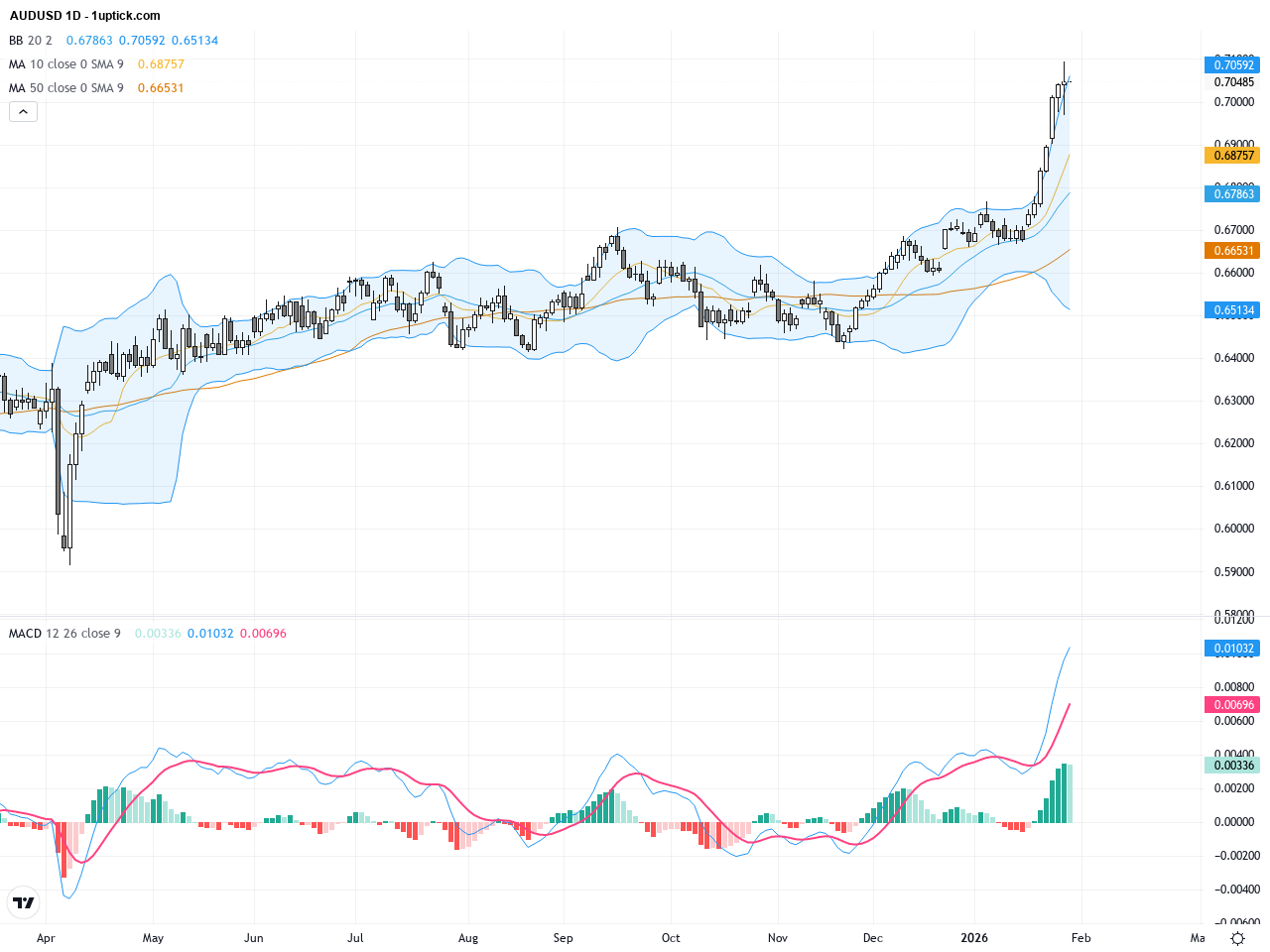
Australia’s dollar remains under pressure despite strong job gains in January. The employment surge of 44,000 jobs exceeded forecasts, yet a rising unemployment rate and weak commodity prices weigh on the AUD. The Reserve Bank of Australia maintains a cautious stance, delaying rate cuts as inflation stabilizes. Meanwhile, geopolitical risks, a strong U.S. dollar, and China trade uncertainties add to volatility. Can the Australian dollar regain strength, or will external pressures drive further declines? Read the full analysis.

Xi’s Tech Push: Can Innovation Revive China’s Slowing Economy?

Xi’s Tech Push: Can Innovation Revive China’s Slowing Economy?

Xi Jinping’s recent tech-focused meeting signals China’s push for technological self-sufficiency amid slowing GDP growth and economic pressures. With initiatives like *Made in China 2025*, investment in semiconductors, EVs, and AI could drive future expansion. However, structural issues—weak consumption, local government debt, and trade uncertainties—pose risks. Will tech innovation be China’s economic lifeline, or are deeper reforms needed? Explore expert insights on the potential market impact and the road ahead for China’s economy.

China’s Property Market Stabilizes, But Recovery Faces Major Challenges

China’s Property Market Stabilizes, But Recovery Faces Major Challenges

China’s property market is showing early signs of stabilization, with new home prices in major cities declining by just 0.07% in January. Government interventions—such as lower mortgage rates and tax incentives—are supporting the market, but challenges remain. While tier-one cities like Beijing and Shanghai see price growth, weaker demand and high inventory levels keep broader recovery uncertain. Investors are cautiously optimistic, but long-term momentum depends on improving buyer confidence and sustained policy support. Read more about the latest trends.

Germany Investor Confidence Surges Ahead of 2025 Federal Election

Germany Investor Confidence Surges Ahead of 2025 Federal Election

German investor sentiment has surged to its highest level in two years as the country prepares for the 2025 federal election. The ZEW Indicator of Economic Sentiment rebounded sharply in January, reflecting optimism amid easing inflation, stabilizing growth, and labor market adjustments. However, structural challenges such as high energy costs and global protectionism persist. With potential policy shifts on the horizon, financial markets remain cautiously optimistic about Germany’s economic prospects in the coming year.

How the Fed’s Job Strategy Is Impacting Inflation and Rates

How the Fed’s Job Strategy Is Impacting Inflation and Rates

How the Fed’s Inclusive Jobs Recovery Is Shaping Inflation and Monetary Policy

The Federal Reserve’s focus on an inclusive jobs recovery has improved employment rates across demographic groups but also presents inflation challenges. A strong labor market and steady wage growth are contributing to inflation pressures, prompting Fed policy adjustments such as rate cuts and balance sheet reductions. Despite short-term fluctuations, long-term inflation expectations remain anchored, reinforcing confidence in the Fed’s monetary strategy. Analysts emphasize the need for a careful policy balance to sustain growth while managing inflation.

Fed Pauses Rate Cuts: What It Means for the Economy

Fed Pauses Rate Cuts: What It Means for the Economy

Fed Maintains Interest Rates: What It Means for the Economy

The Federal Reserve has opted to keep interest rates unchanged, citing strong economic growth, a stable job market, and persistent inflation concerns. With inflation still above the 2% target, policymakers are taking a cautious “wait-and-see” approach. While some expect potential rate cuts later this year, future changes will depend on economic data. Investors and businesses should stay alert as the Fed navigates a delicate balance between inflation control and economic stability.

ECB Interest Rate Cuts Expected in 2025 and 2026

ECB Interest Rate Cuts Expected in 2025 and 2026

ECB interest rate cuts are on the horizon for 2025 and 2026 as inflation trends downward and economic growth remains sluggish. Analysts anticipate a series of 25-basis-point reductions, bringing rates to around 2% by late 2025. The ECB aims to support economic recovery while maintaining inflation near its 2% target. With Eurozone GDP growth projected at 1.1% in 2025 and 1.4% in 2026, policymakers are poised to adjust strategies based on evolving economic conditions.

Japan’s Economy Booms: Strong Growth and BOJ Policy Shift

Japan’s Economy Booms: Strong Growth and BOJ Policy Shift

Japan’s economy continues to outperform expectations, with GDP rising **2.8%** in Q4, surpassing forecasts. Strong business spending and improved net trade have fueled growth, while inflation remains near **2%**. The Bank of Japan has initiated a **25 basis point** rate hike, signaling a shift toward policy normalization. With steady wage growth and labor shortages supporting inflation, further rate increases are anticipated. However, global uncertainties remain a key factor in Japan’s economic trajectory. Stay updated on Japan’s evolving economic landscape!

1 82 83 84 85
Why a Fed Rate Cut Could Undermine Big Tech’s Growth and Valuation
13Aug

Why a Fed Rate Cut Could Undermine Big Tech’s Growth and Valuation

A Fed rate cut can have complex effects on big tech companies, potentially undermining their growth and valuation despite conventional expectations. While lower interest rates typically increase valuations by reducing borrowing costs and boosting investor enthusiasm, for big tech firms—often valued based on high future earnings—rate cuts might signal economic slowdown and heightened uncertainty. This could limit the anticipated benefits from easier capital access and raise concerns about growth prospects. Moreover, much of the positive impact of anticipated rate cuts is often already priced into tech stocks, which have seen significant gains recently. Therefore, while a rate cut might encourage more investment and mergers in the tech sector, it could also challenge sustained valuation growth if it reflects broader economic weaknesses. Investors should weigh these factors carefully in the evolving monetary environment.

Circle’s Post-IPO Q2 Earnings Show Strong USDC Growth, Revenue Beat, and Path to Profitability Amid Regulatory Advances
13Aug

Circle’s Post-IPO Q2 Earnings Show Strong USDC Growth, Revenue Beat, and Path to Profitability Amid Regulatory Advances

Circle’s Q2 2025 earnings highlight significant growth for the stablecoin issuer, with USDC circulation soaring 90% year-over-year to $61.3 billion and total transaction volume reaching $5.9 trillion. The company reported $658 million in revenue, representing a 53% increase, driven primarily by earnings on USDC reserves backed by short-term U.S. Treasuries and cash. Despite a net loss of $482 million due to IPO-related costs, Circle is on a clear path to profitability with expanding commercial partnerships and innovations such as the launch of the Circle Payments Network and its new Layer-1 blockchain, Arc. This strong operational performance, alongside increasing adoption of stablecoins in traditional financial sectors and regulatory progress, positions Circle as a leading player poised to transform digital payments and the global financial infrastructure.

July Inflation Update: Core CPI Surges Amid Tariff Pressures, Complicating Fed Rate Cut Outlook
13Aug

July Inflation Update: Core CPI Surges Amid Tariff Pressures, Complicating Fed Rate Cut Outlook

July 2025 inflation data reveals a persistent rise in core Consumer Price Index (CPI), climbing 3.1% annually—the fastest pace since January—driven largely by higher service costs. Overall CPI increased 0.2% month-over-month and 2.7% year-over-year, slightly below forecasts but signaling ongoing inflationary pressures influenced by tariff impacts. Food prices, including notable jumps in coffee and beef, along with elevated shelter and energy costs, continue to sustain inflation above the Federal Reserve’s target, complicating expectations for near-term rate cuts. This inflation trend underscores challenges for economic policy as price growth remains steady despite cooling headline figures.

How Housing Inflation Continues to Influence Prices, Rents, and Interest Rates in 2025
13Aug

How Housing Inflation Continues to Influence Prices, Rents, and Interest Rates in 2025

Housing inflation continues to significantly impact the U.S. housing market in 2025, influencing prices, rents, and interest rates. House prices are expected to grow modestly by about 3%, with nationwide supply remaining tight despite some increases in new and existing home inventories. Mortgage rates hover near 7%, maintaining affordability challenges and keeping demand subdued. While house price appreciation has slowed compared to previous years, all states still see positive growth, with some regions experiencing stronger gains. Inflation pressures, including rising construction costs and tariffs, contribute to ongoing housing cost increases, highlighting the need for expanded housing supply to help moderate prices and overall inflation. These dynamics shape the housing market outlook for 2025, suggesting a continued environment of constrained affordability and slow but steady price growth.

Stocks Rally as Cooler Inflation Fuels Strong Bets on Fed Rate Cuts and Market Gains This Fall
12Aug

Stocks Rally as Cooler Inflation Fuels Strong Bets on Fed Rate Cuts and Market Gains This Fall

Stocks surged as cooling inflation strengthens expectations for Federal Reserve rate cuts, fueling optimism for market gains this fall. Investors are betting on easing monetary policy to support equity valuations, while sectors like technology and financials show mixed prospects amid evolving economic growth forecasts. Market valuation trends highlight concentrated gains in a few key stocks, even as caution lingers over broader earnings growth and industrial sector performance. This dynamic sets the stage for a potentially robust yet selective rally going forward.

How July Inflation Data Shapes Fed Rate Outlook & Market Strategy for September
12Aug

How July Inflation Data Shapes Fed Rate Outlook & Market Strategy for September

July’s inflation data plays a crucial role in shaping the Federal Reserve’s interest rate outlook and market strategy for September. The Consumer Price Index (CPI) report is expected to show a slight increase in inflation, potentially rising to 2.8% year-over-year, signaling persistent inflation pressures that complicate the Fed’s decision on whether to cut rates. Hot inflation data may delay rate cuts, while cooler numbers could signal economic slowing, leaving markets uncertain. Tariff-related price increases in sectors like furniture and auto parts add complexity to inflation trends. The Fed faces a challenging balance between controlling inflation and supporting employment, as ongoing inflation expectations rise slightly among consumers, impacting financial markets and household budgets. This inflation report is pivotal for investors, influencing stock, bond, and retirement portfolios ahead of the September Fed meeting.

1 82 83 84 85 86 170

1uptick Analytics @

Maximize your profit at ease

Risk Warning​

*Investment involves risk. You may use the information, strategies and trading signals on this website for academic and reference purposes at your own discretion. 1uptick cannot and does not guarantee that any current or future buy or sell comments and messages posted on this website/app will be profitable. Past performance is not necessarily indicative of future performance. It is impossible for 1uptick to make such guarantees and users should not make such assumptions. Readers should seek independent professional advice before executing a transaction. 1uptick will not solicit any subscribers or visitors to execute any transactions, and you are responsible for all executed transactions.

© 2022-25 – 1uptick Analytics all rights reserved.


Risk Warning​

*Investment involves risk. You may use the information, strategies and trading signals on this website for academic and reference purposes at your own discretion. 1uptick cannot and does not guarantee that any current or future buy or sell comments and messages posted on this website/app will be profitable. Past performance is not necessarily indicative of future performance. It is impossible for 1uptick to make such guarantees and users should not make such assumptions. Readers should seek independent professional advice before executing a transaction. 1uptick will not solicit any subscribers or visitors to execute any transactions, and you are responsible for all executed transactions.

© 1uptick Analytics all rights reserved.

Home
Analysis
Calendar
Tools
Signals