

![]() |
| Gold V.1.3.1 signal Telegram Channel (English) |
A comprehensive, data-driven guide for investors and traders on timing copper market entries and exits amid surging demand from AI infrastructure, electric vehicles, and global supply chain constraints. Learn to leverage fundamental analysis, technical signals, and strategic frameworks to capitalize on one of the most structurally bullish commodity themes of the decade.
A comprehensive, data-driven guide for investors, commodity traders, and supply chain operators on building robust compliance frameworks for the EU Deforestation Regulation (EUDR) and Carbon Border Adjustment Mechanism (CBAM) — two landmark regulations reshaping global agricultural and carbon-intensive commodity markets.
A comprehensive, data-driven guide for commodity trading houses seeking to secure capital from hedge funds and corporate investors to finance their expansion into physical asset ownership — covering deal structuring, due diligence preparation, investor targeting, and negotiation strategies.
A comprehensive, data-driven guide for investors and analysts on building robust valuation frameworks for LNG and precious metals that account for geopolitical risk premiums, safe-haven demand cycles, and supply-chain disruptions — essential market intelligence for navigating today’s volatile commodity landscape.
A comprehensive, step-by-step guide for investors and portfolio managers on deploying artificial intelligence-powered risk analytics to optimise multi-commodity trading portfolios—with a strategic focus on copper and other energy transition metals critical to the global decarbonisation megatrend.
The UK government has activated COBRA to confront inflationary pressure and rising gilt yields stemming from the Iran conflict. This piece unpacks how higher oil, a weaker GBP, and rising yields interact, what to watch next (BoE rhetoric, gilt auctions, oil above $90/bbl), and prudent risk steps for investors.
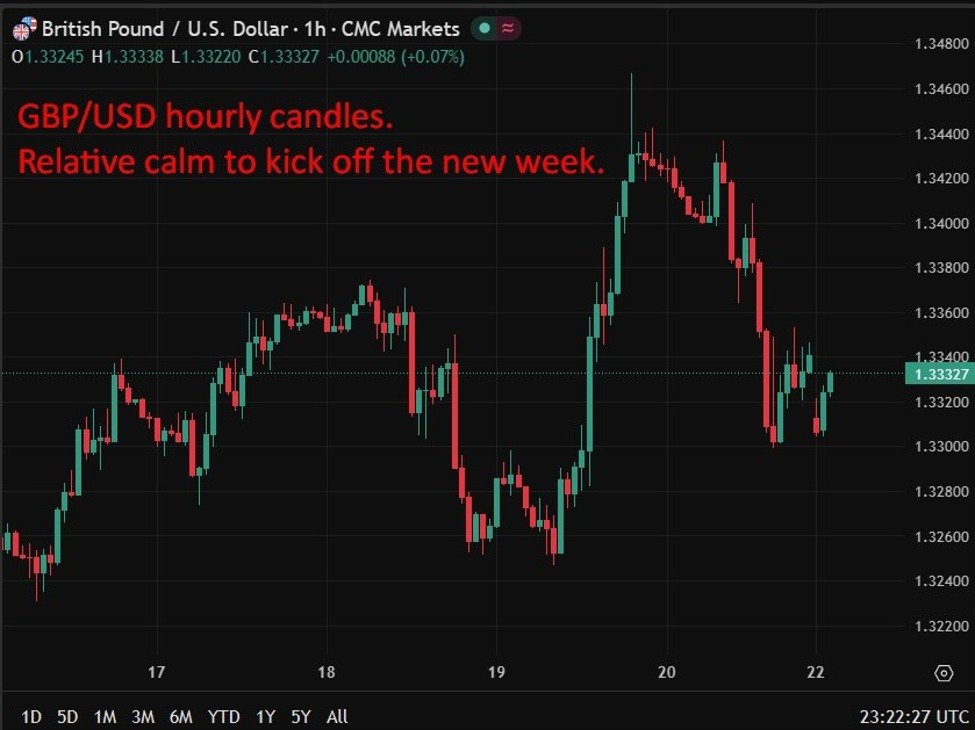
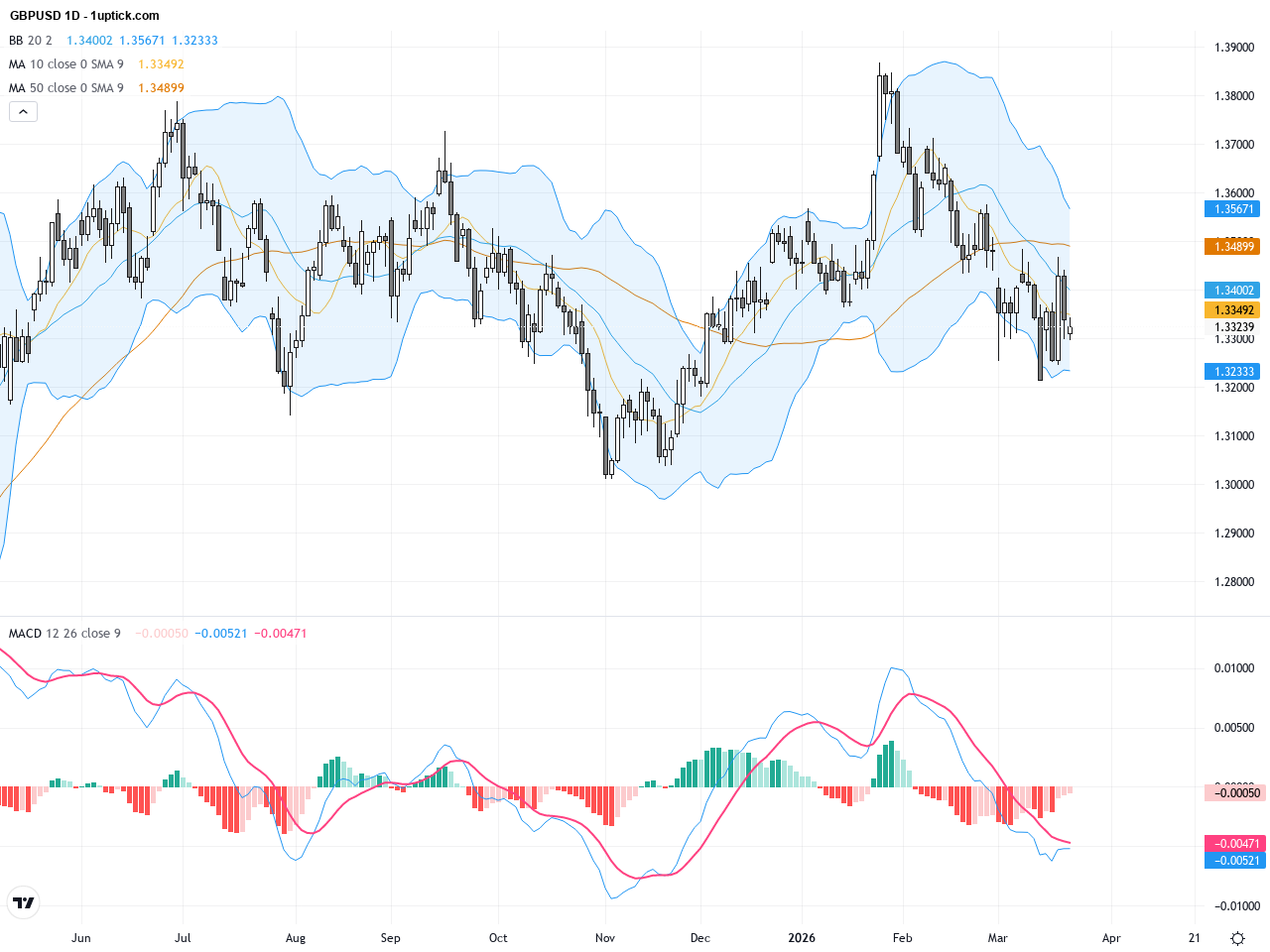
GBPUSD has faced downward pressure amid signs of structural weakness in the US Dollar Index (DXY). Over the past three trading days, the pair hovered near yesterday’s 1.3323 closing level before slipping lower, influenced by cautious investor sentiment ahead of pivotal central bank meetings. Political uncertainties and rising energy prices add to market volatility. Technically, GBPUSD broke below its critical ascending trendline, signaling potential for further downside. For the average investor, this means a moment to tighten risk controls and monitor if key support zones hold. The market mood remains reserved as traders await fresh catalysts from this week’s economic data releases.
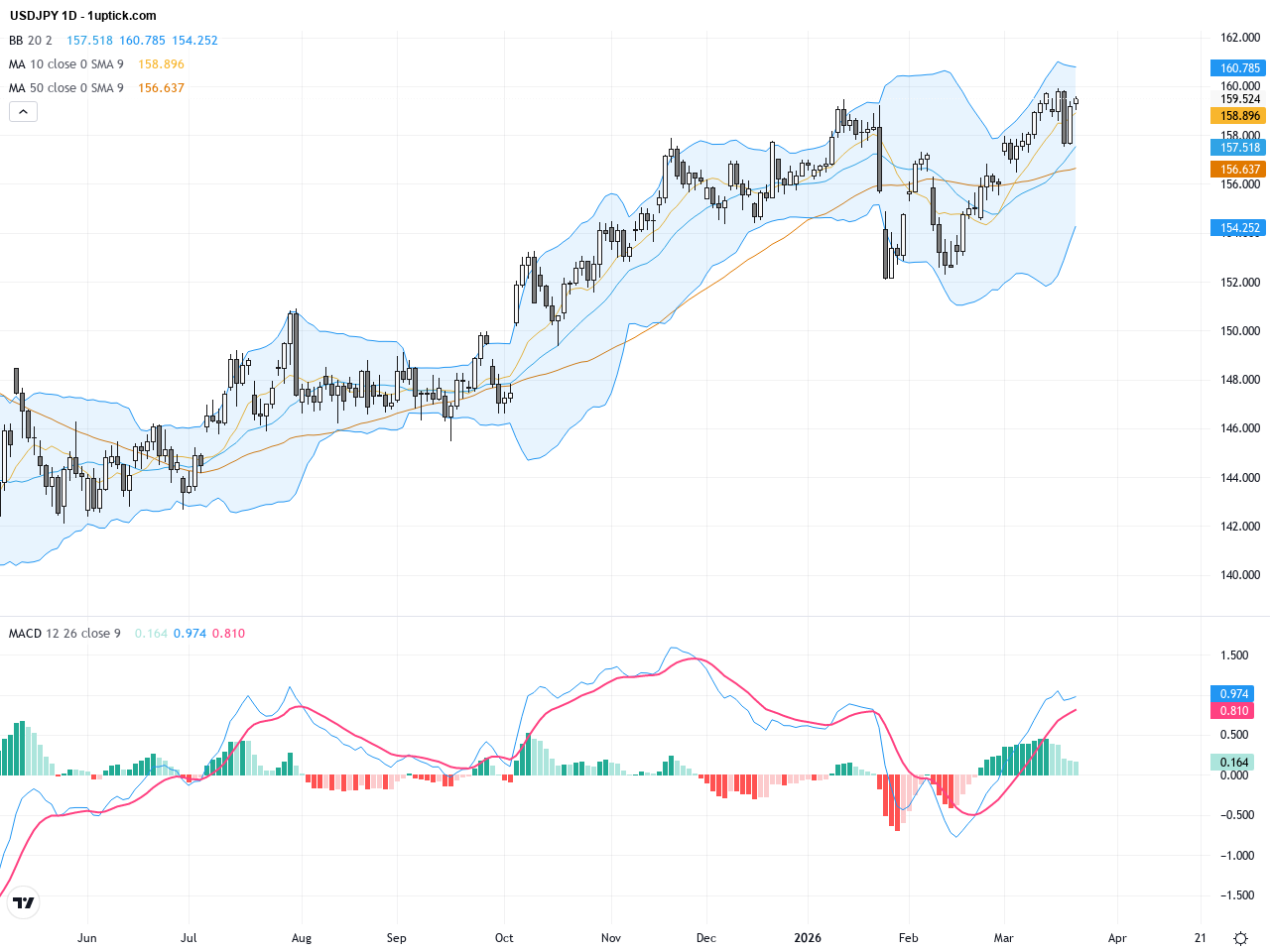
Over the past three trading days, USDJPY has hovered around the 159 level, driven by geopolitical tensions and a strong US dollar. The pair climbed steadily from an opening of 159.22 to close yesterday at 159.52. U.S.-Iran conflict fears and volatility in the US stock market heightened demand for the dollar, while the Japanese yen remained under pressure. Market participants are cautious ahead of potential intervention from the Bank of Japan as USDJPY approaches key resistance between 159.50 and 160. For investors, this combination of fundamental and geopolitical factors sets the tone for a potentially volatile yet upward-biased trading environment.
Over the past three trading days, EURUSD has continued its downward pressure, slipping gradually from around 1.16 to a closing price of 1.15458 yesterday. Heightened geopolitical tensions in the Middle East have spurred demand for the US dollar as a safe haven, pressuring the euro lower. Recent market news highlights Iran’s response to the US 48-hour ultimatum, pushing oil prices higher and exacerbating European energy cost worries. For the average investor, this means EURUSD may face near to medium-term downside risks, especially given Europe’s reliance on energy imports and the current dollar strength. This week’s technical charts also display a clear bearish trend with critical support and resistance levels to watch. Investors should track economic data releases and geopolitical developments closely to adjust their trading strategies accordingly.
Private credit has ballooned, oil is back above the $80 mark, and AI is reshaping energy and labor demand. Here’s a clear, practical take on why markets are uneasy, what to watch next, and how this differs from 2008.
![]() |
| Gold V.1.3.1 signal Telegram Channel (English) |