







 |
| Gold V.1.3.1 signal Telegram Channel (English) |
Crude Oil Investing Strategy: A 3-Stage Framework for 2026 Market Mastery
2026-05-05 @ 04:33
Crude Oil Investing Strategy: A 3-Stage Framework for 2026 Market Mastery
Crude oil investing remains a volatile yet potent arena in 2026. Surging global demand combined with geopolitical uncertainties keeps this commodity front and center for investors craving growth and diversification. Market intelligence points to a new paradigm where traditional supply constraints meet shifting energy policies and technological disruption.
Why Crude Oil Investing Matters Now
Energy transition talks and Goldman Sachs’ forecasts spotlight crude oil as a strategic asset—volatile but lucrative if navigated wisely. The post-pandemic recovery inflated consumption, but inflation and regulatory pressures reshape investment calculus. Understanding these dynamics is no longer optional — it determines survival or obsolescence in portfolios.
Primary Keywords and Related Terms:
- crude oil price forecasting
- energy commodities
- geopolitical risk in oil markets
- oil supply chain dynamics
- commodity diversification 2026
- renewable energy impact on oil
- oil futures trading
Assessment: Comprehensive Market Intelligence and Risk Profiling
- Analyze global supply-demand imbalances: Focus on OPEC production quotas, US shale activity, and emerging producer nations.
- Evaluate geopolitical risks: Middle East tensions, Russia-Ukraine conflicts, and sanctions impacting logistics streams.
- Map out energy policy trends: Carbon regulations, subsidies for renewables, and fossil fuel phase-out plans.
- Analyze price drivers: Inflation rates, USD strength, and inventory levels reported weekly by agencies like EIA.
- Risk tolerance and investment horizon alignment: Define short-term speculative vs long-term value strategies.
Execution: Strategic Investment Deployment
- Diversify instruments: Blend direct futures contracts, oil ETFs, and shares in integrated oil majors and service providers.
- Leverage data analytics: Use AI-driven price models and sentiment analysis for entry and exit timing.
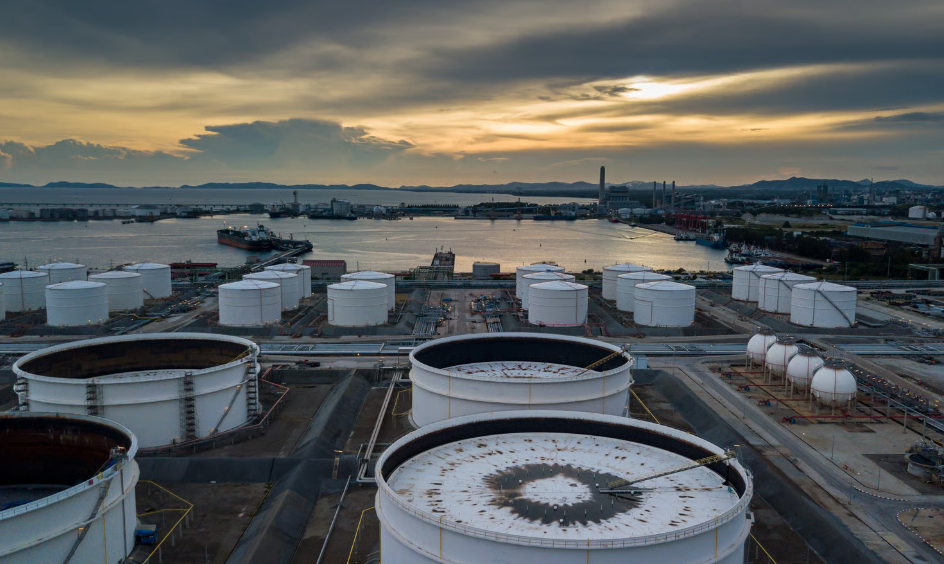
- Monitor operational logistics: Storage costs, tanker movements, and refinery bottlenecks that influence spot prices.
- Hedge against volatility: Employ options and swaps as insurance amid heightened political events.
- Maintain liquidity buffers: Ensure ability to adjust quickly as market dynamics shift unexpectedly.
Optimization: Adaptive Portfolio Management and Continuous Learning
- Track key performance indicators: Return on capital deployed, beta against energy indices, and drawdown metrics.
- Recalibrate strategy based on energy transition milestones: Shift allocations as renewables impact demand forecasts.
- Incorporate alternative data: Satellite imagery on oil storage, social media chatter on geopolitical developments.
- Review counterparty risk: Ensure brokers and funds align with compliance and credit standards.
- Continuous market intelligence updates: Integrate quarterly reports and real-time news feeds into investment dashboards.
| Investment Type | Risk Level | Liquidity | Capital Requirement | Key Advantage |
|---|---|---|---|---|
| Futures Contracts | High | High | Moderate to High | Direct exposure and leverage |
| Oil ETFs | Moderate | High | Low to Moderate | Ease of trading and diversification |
| Oil Majors Stocks | Moderate | High | Low to Moderate | Dividend income and growth potential |
| Energy Service Providers | Moderate to High | Moderate | Low to Moderate | Indirect play on industry growth |
Professional Checklist (專業清單):
- Validate current 市場情報 on supply-demand and geopolitical risk weekly.
- Align crude oil investing strategy with personal risk appetite and timelines.
- Mix investment instruments to balance risk and liquidity needs.
- Integrate dynamic analytics tools to refine entry and exit points.
- Maintain ongoing monitoring protocols with adjustments tied to energy policy shifts.
- Use hedging instruments actively during high volatility periods.
- Keep an eye on operational logistics challenges impacting spot prices.
Bear in mind: Ignoring energy transition trends or geopolitical volatility in 2026 is tantamount to leaving profits on the table. Smart investors don’t just react—they anticipate, adapt, and optimize relentlessly.