

 |
| Gold V.1.3.1 signal Telegram Channel (English) |
How to Analyze Forex Market Data for Informed Trading Decisions
2026-05-28 @ 00:03
How to Analyze Forex Market Data for Informed Trading Decisions
In today’s dynamic foreign exchange market, making informed trading decisions requires a systematic approach to data analysis. This guide provides actionable steps to help investors and traders develop a robust analytical framework that combines technical analysis, fundamental insights, and risk management principles.
step_num: 1, heading: Establish Your Market Intelligence Foundation, content: Begin by selecting reliable data sources for real-time forex quotes, economic calendars, and market news. Premium platforms offering institutional-grade data provide significant advantages over free alternatives. Ensure your data feeds include major currency pairs (EUR/USD, GBP/USD, USD/JPY), cross rates, and emerging market currencies relevant to your trading strategy. Verify data accuracy by cross-referencing multiple sources.
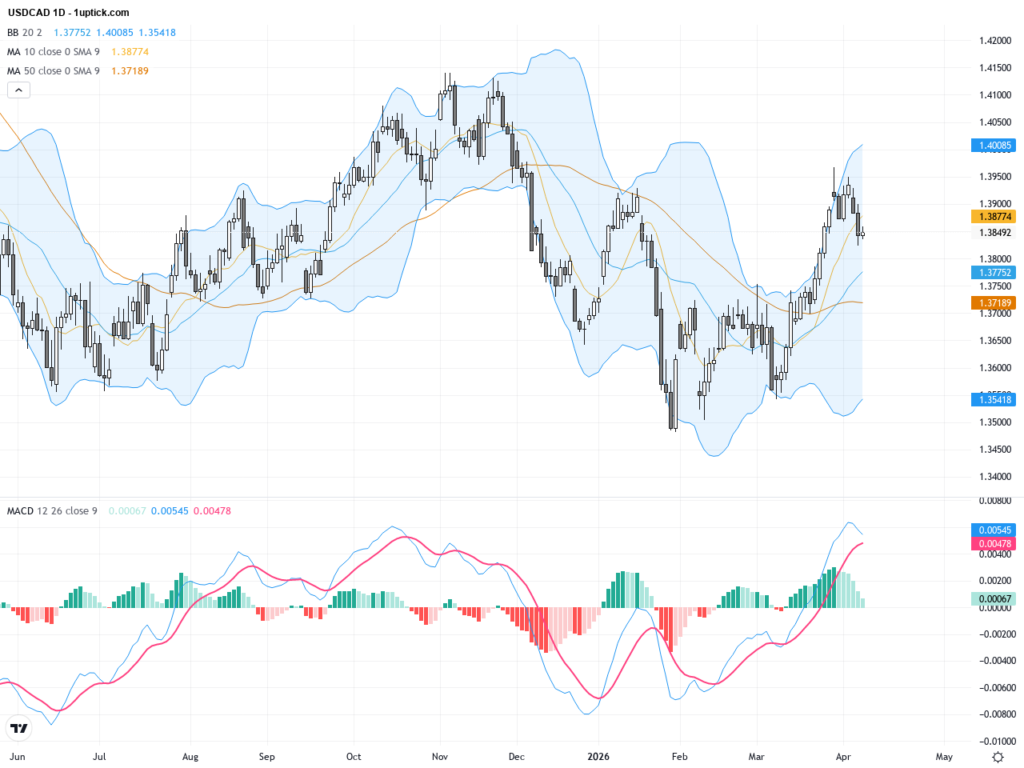
step_num: 2, heading: Master Technical Analysis Fundamentals, content: Develop proficiency in reading price charts across multiple timeframes (daily, 4-hour, 1-hour). Learn to identify key support and resistance levels, trend lines, and chart patterns such as head and shoulders, double tops/bottoms, and flag formations. Implement moving averages (50-day, 200-day) to identify trend direction and potential crossover signals that indicate momentum shifts.
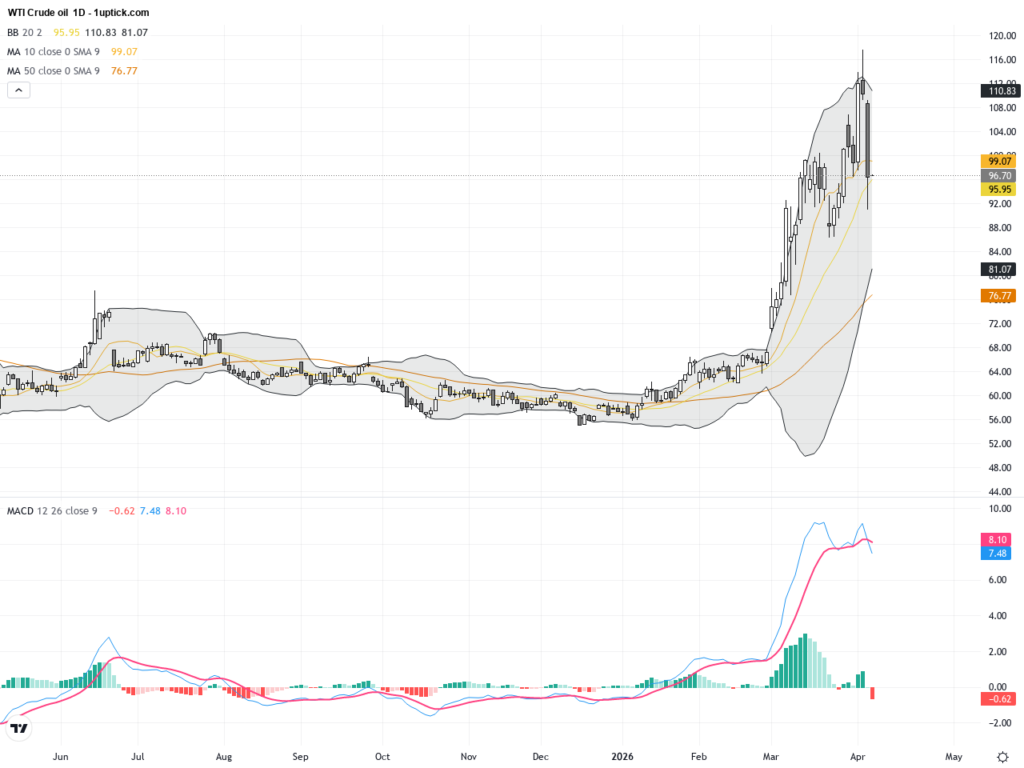
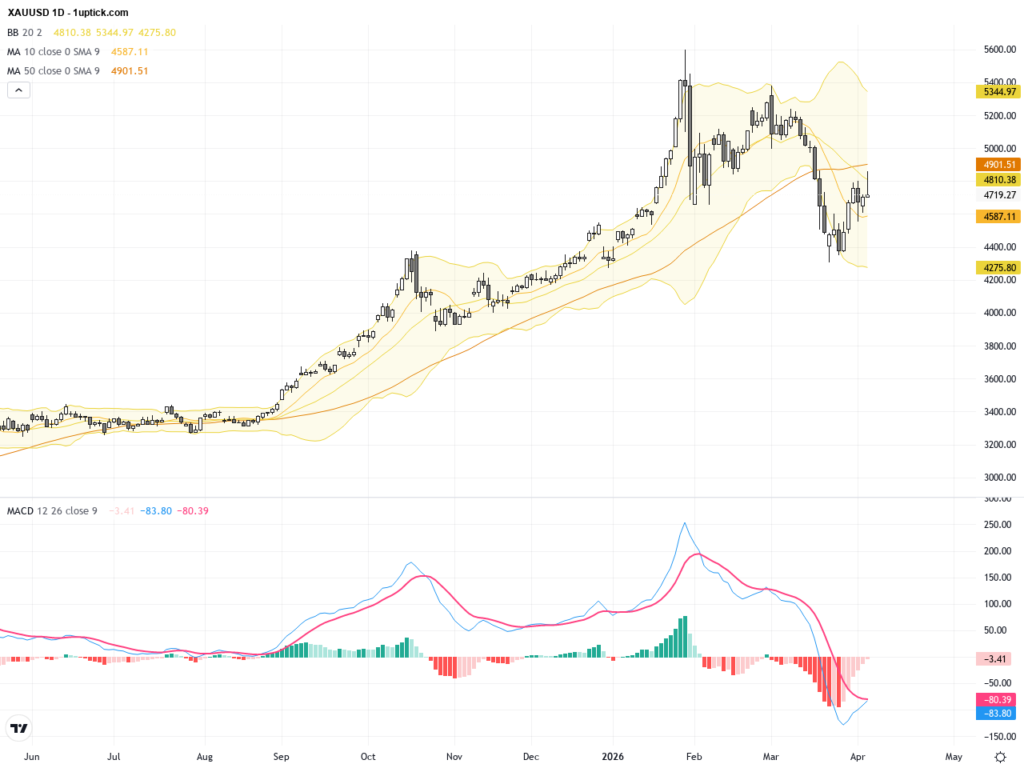
step_num: 3, heading: Integrate Key Technical Indicators, content: Incorporate momentum indicators including RSI (Relative Strength Index), MACD (Moving Average Convergence Divergence), and Stochastic Oscillator into your analysis toolkit. Use RSI readings above 70 to identify overbought conditions and below 30 for oversold conditions. Combine multiple indicators to confirm signals and reduce false positives in your trading decisions.
step_num: 4, heading: Apply Fundamental Analysis Framework, content: Monitor central bank monetary policies, interest rate decisions, and forward guidance statements from major institutions (Federal Reserve, ECB, Bank of Japan, Bank of England). Track key economic indicators including GDP growth, inflation rates (CPI), employment data (NFP), and trade balance figures. Create an economic calendar alert system to prepare for high-impact data releases.
step_num: 5, heading: Analyze Intermarket Correlations, content: Understand the relationships between forex markets and other asset classes. Monitor correlations such as USD/Gold inverse relationship, commodity currency connections (AUD/CAD with raw materials), and equity market risk sentiment impacts on safe-haven currencies (JPY, CHF). Use correlation matrices to identify hedging opportunities and portfolio diversification strategies.
step_num: 6, heading: Implement Risk Management Protocols, content: Calculate position sizes based on your risk tolerance, typically limiting exposure to 1-2% of trading capital per position. Set stop-loss orders based on technical levels and volatility measurements (ATR – Average True Range). Maintain a favorable risk-reward ratio of at least 1:2 for each trade setup. Document all trades in a journal for performance analysis and strategy refinement.
step_num: 7, heading: Develop a Systematic Review Process, content: Conduct weekly performance reviews analyzing win rates, average profit/loss ratios, and strategy effectiveness across different market conditions. Adjust your analytical approach based on quantitative feedback. Stay updated on evolving market dynamics through continuous education and engagement with professional trading communities.
Insider Insight: Experienced forex analysts emphasize that successful market analysis is not about predicting exact price movements but rather about identifying high-probability setups with favorable risk-reward profiles. The most effective traders combine technical precision with fundamental awareness while maintaining strict discipline in risk management. Remember that even the best analysis cannot eliminate market uncertainty—the goal is to make informed decisions that provide a statistical edge over time. Consider using algorithmic tools to backtest strategies before deploying capital, and always account for transaction costs and slippage in your profitability calculations.