







 |
| Gold V.1.3.1 signal Telegram Channel (English) |
Nigeria’s Eid Spending Slashed as Inflation and High Food, Transport Costs Bite Hard
2026-05-26 @ 13:02
Nigeria’s Eid Celebrations Hit by Crushing Inflation and Cost-of-Living Pressures
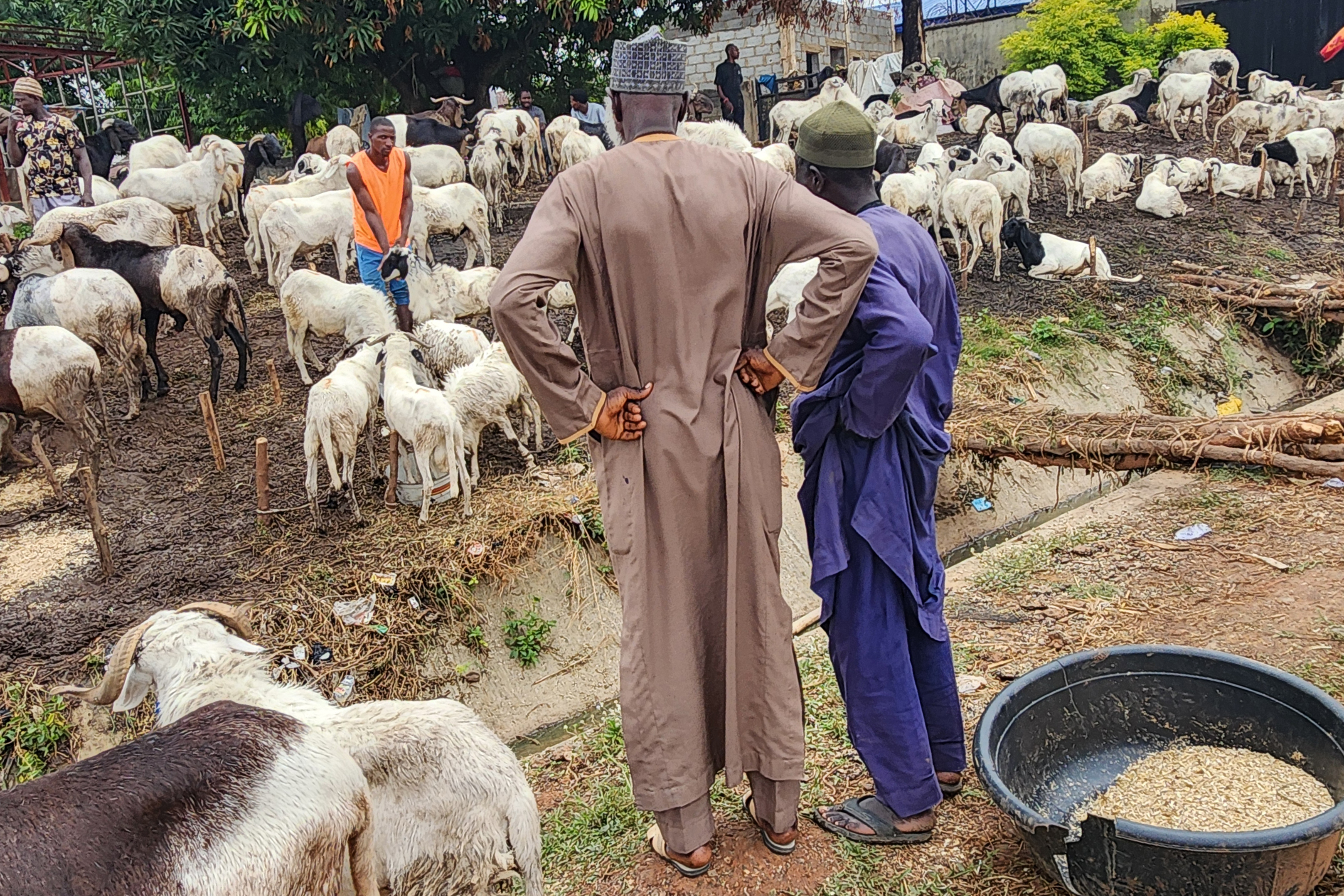
This year, Eid al-Adha in Nigeria is far from the joyous, full-throttle celebration many are used to. Inflation clings stubbornly above 23%, and prices for essentials like food, transport, and especially sacrificial rams have soared. Reports reveal that ram prices have tripled compared to last year, jumping from about 200,000 naira to nearly 600,000 naira per head. For many Nigerian families, this spike is a financial blow they simply can’t absorb.
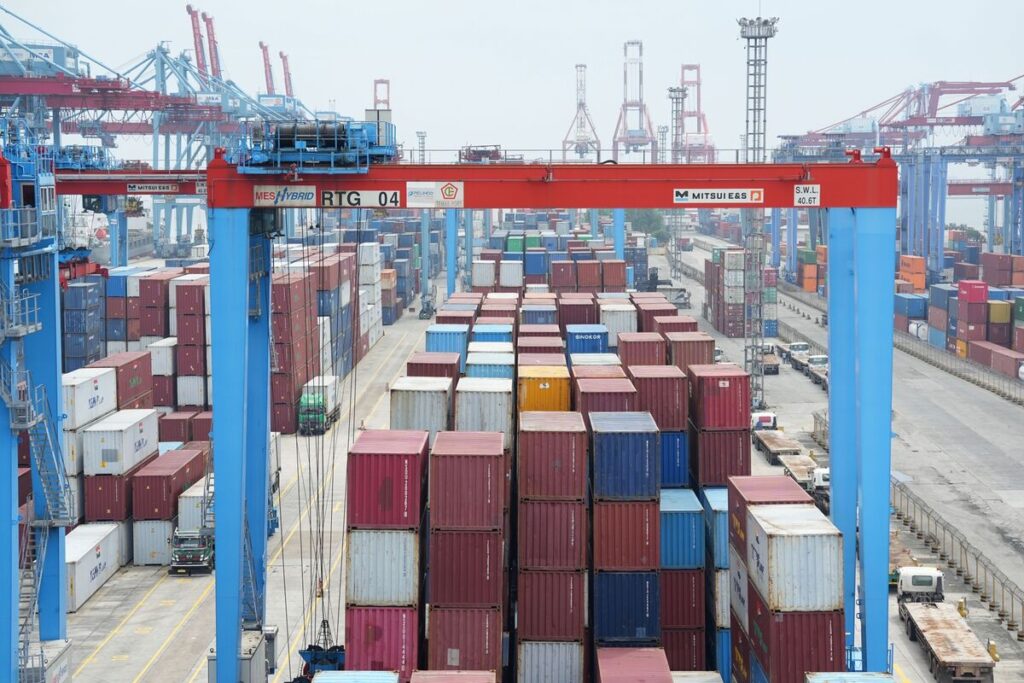
But this story isn’t just about Eid. The International Monetary Fund (IMF) recently highlighted how soaring transport costs are fuelling a vicious cycle of rising food prices, further squeezing household budgets. When transport fees go up, the entire food supply chain becomes more expensive, leaving consumers with less disposable income to spend on anything beyond basic necessities.
Wider Economic Ripples: Currency, Commodities, and Markets
The Nigerian naira continues to face downward pressure as inflation pushes purchasing power lower. Increased demand for imported essentials only adds to the strain on the currency, challenging the broader economic outlook. Meanwhile, local prices for livestock, grains, and cooking oil remain elevated but are tempered by tighter consumer budgets.
Retailers, staple distributors, and transport operators are feeling the pinch. Sales volumes are slowing even as their input costs climb, squeezing profit margins. On the debt front, persistently high inflation and rising living costs have investors wary of local-currency sovereign bonds. Monetary policy easing looks unlikely anytime soon as inflation shows no clear signs of abating.
Urban Households and Informal Markets Take the Hardest Hit
The pain is sharpest among urban families, informal traders, livestock sellers, and transport workers—groups tightly linked to Eid spending cycles and daily price swings. Social and local media reflect widespread belt-tightening, with households cutting spending on education, healthcare, housing, and festivities alike.
In many ways, Eid spending patterns have become a powerful barometer of Nigeria’s overall economic sentiment. The retreat in festive spending signals deeper troubles in real incomes and consumer confidence.
What’s Next? Key Indicators to Watch
- Will food and transport inflation ease or intensify? This will be a crucial gauge of overall cost-of-living trends.
- Further naira depreciation or fuel price hikes could quickly ripple through consumer prices, worsening the squeeze.
- Eid spending stats will provide timely insight into household discretionary income and confidence.
- Market watchers will monitor whether the government acts decisively to ease food supply bottlenecks, stabilize transport costs, or support real incomes.
Nigeria’s largest economy is grappling with a squeeze that goes beyond this year’s Eid. The crisis is penetrating everyday life, challenging families across the nation to cope with rapidly rising costs and dwindling purchasing power. Returning to the vibrant celebrations of the past will take sustained economic relief and policy action, both of which remain uncertain for now.