


 |
| Gold V.1.3.1 signal Telegram Channel (English) |
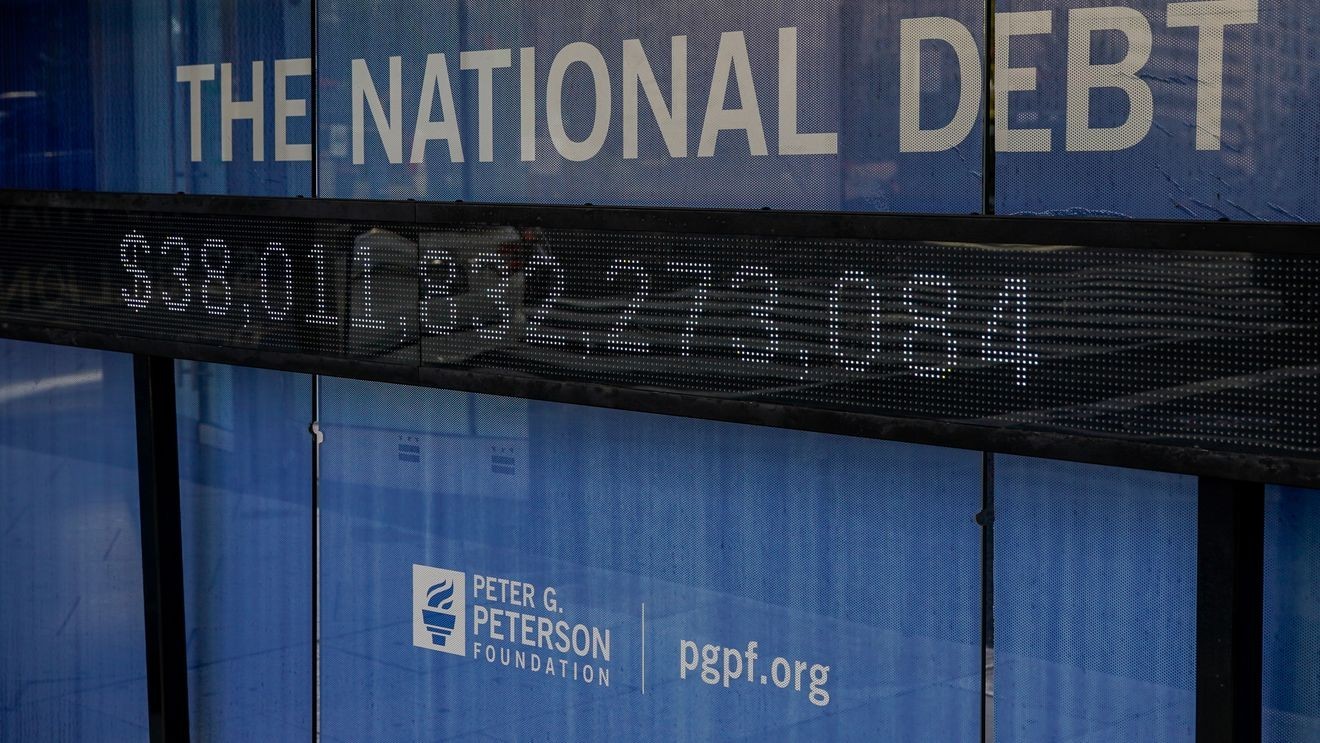
US National Debt Surpasses 100% of GDP for the First Time Since WWII: A Fiscal Flashpoint
2026-05-05 @ 13:02
US Debt Hits a Historic Milestone—What Does This Mean for the Economy?
At the end of March 2026, US public debt clocked in at $31.27 trillion. That’s just a hair over the nation’s nominal GDP for the same period, pushing the debt-to-GDP ratio to an eye-opening 100.2%. It’s the first time since World War II that the debt load has actually eclipsed the size of the economy.
Here’s the kicker: the government is spending $1.33 for every dollar it collects in taxes. That gap has to be borrowed—and it’s stacking up fast. Interest payments alone are now topping $1 trillion annually, outpacing even the US defense budget. The biggest culprits? Entitlement programs like Social Security and Medicare are driving costs higher and higher.
Add intragovernmental holdings, and total gross debt hits over $39 trillion, roughly translating to a staggering $114,000 debt burden per American citizen. These numbers are more than just eye candy—they reflect serious pressures for markets and the entire economy.
Bond investors are watching closely. Interest costs are pushing up yields, which can steepen the yield curve and crowd out private sector investment. The Congressional Budget Office forecasts debt-to-GDP hitting 108% by 2030 and 120% by 2036—levels that could weigh heavily on economic growth.
Stocks aren’t immune either, especially growth-sensitive sectors that rely on government spending and consumer confidence. Conversely, commodities like gold have surged as investors seek refuge amid fiscal uncertainty. The US dollar faces vulnerability if soaring deficits erode confidence, although it still benefits from safe-haven status in the short term.
Center for Responsible Federal Budget President Maya MacGuineas was blunt: this debt burden is twice the historical average. She’s calling for slashing deficits by $10 trillion and instituting “Super PayGo” rules—meaning every new dollar spent must be offset.
Looking ahead, all eyes will be on upcoming GDP reports, FY2027 budget negotiations, and the Federal Reserve’s interest rate policy. These factors will play a crucial role in shaping interest expenses and the nation’s fiscal trajectory. Without meaningful bipartisan reforms, independent models warn the gross debt-to-GDP ratio could blow past 126% by the end of the year.
This moment marks a critical crossroads for US fiscal health. The decisions made now will ripple through markets, impact economic growth prospects, and potentially reshape how Americans experience social safety nets in the decades to come.
Stay tuned and stay prepared—navigating this fiscal terrain will require vigilance from investors and policymakers alike.