






 |
| Gold V.1.3.1 signal Telegram Channel (English) |

US Gas Prices Surge to 4-Year High Near $4.23 Amid Iran Conflict and Strait of Hormuz Tensions
2026-04-30 @ 13:02
The Story Behind America’s Soaring Gas Prices: Middle East Tensions Heat Up
In the past two weeks, the average U.S. gasoline price has surged to $4.23 per gallon, a level not seen since 2022. This spike is largely driven by escalating geopolitical tensions in the Middle East — particularly stalled ceasefire talks with Iran and ongoing security risks in the Strait of Hormuz. This strategic narrow passage accounts for about 20% of global oil shipments, so any threat here sends ripples through global markets instantly.
Crude oil prices have reflected this strain vividly. Brent crude soared past $118 per barrel, while West Texas Intermediate (WTI) climbed over $105 per barrel, rising by 6.4% and 6.3% respectively within days. These hikes follow a startling loss of more than 500 million barrels of oil production worldwide since late February, representing roughly $50 billion in lost supply and putting intense pressure on fuel costs.
State By State: What Consumers and Industries Are Feeling
Prices aren’t uniform across the US. California motorists are feeling the pinch hardest, with gasoline prices nearly hitting $6 per gallon at $5.98, while drivers in Oklahoma benefit from much cheaper rates, around $3.65 per gallon. Diesel prices have climbed steadily as well, now averaging about $5.46 nationwide. This rise puts a squeeze on logistics and trucking companies, which rely heavily on diesel, pushing up the costs of goods you see on shelves.
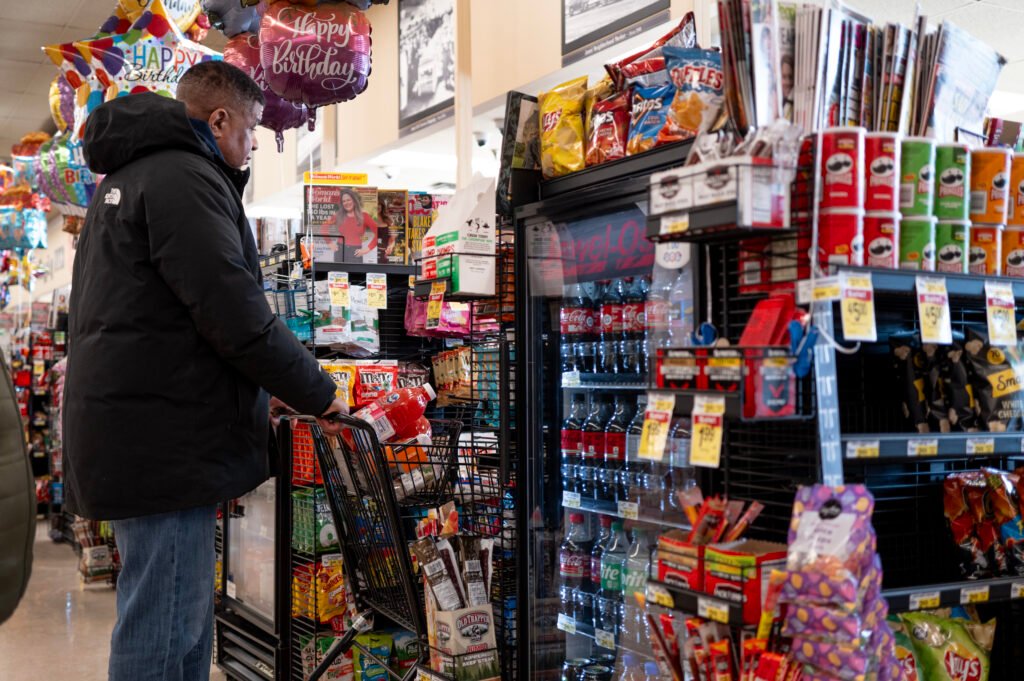
In the stock markets, energy shares have enjoyed gains, offsetting some losses in consumer discretionary and transportation sectors, which face margin pressures from rising fuel expenses. Surveys suggest Americans are adjusting their driving habits — cutting back on non-essential trips, reflecting the direct influence of higher gas prices on daily life.
Strong Dollar and Inflation Concerns
With political risk heating up, the US dollar has strengthened as a safe haven. Meanwhile, currencies tied to Middle Eastern economies face headwinds. Rising fuel costs are fueling inflation fears, reducing chances the Federal Reserve will ease rates any time soon. Bond yields are ticking upward, particularly impacting refiners operating in the Midwest and Northeast, highlighting pressure that could ripple through the economy.
Recent Developments and Market Watch
On April 28, AAA reported a 6-cent jump in national average gas prices — the biggest single-day increase in five weeks — with analysts predicting prices could cross $4.30 within 10 days if tensions stay elevated. By April 29, oil prices were at multi-week highs, with UAE announcing its departure from OPEC, weakening the group’s grip and exacerbating the Saudi-UAE rift, injecting further volatility into the market.
Regionally, North Carolina has seen gasoline rise nearly $1 year-over-year, reaching nearly $4 per gallon in Charlotte. Since US and Israeli strikes on Iran in late February, global energy supply disruptions have been a significant drag. Market watchers are closely monitoring any breakthroughs in ceasefire talks or reopening of the Strait of Hormuz, as these could pivot prices.
What’s Next? Treading Carefully Amid Uncertainty
If tensions around the Strait of Hormuz worsen or Iran escalates maritime attacks, expect further price spikes. Analysts suggest a sustained crude price above $110 per barrel could keep national gasoline averages exceeding $4.30 in the near term. Investors and consumers alike should keep a close eye on weekly energy data from the EIA and how OPEC manages the fallout from the UAE’s exit. Any positive movement toward ceasefire or improved shipping security would be a welcome reprieve.
This surge is more than just a pump station story — it’s a global economic signal. Fuel prices act as a key inflation catalyst and are likely to affect monetary policy and market trends in the months ahead. Given today’s volatile geopolitical landscape, a cautious approach to energy markets and consumer spending is wise.