








 |
| Gold V.1.3.1 signal Telegram Channel (English) |

Mortgage Rates Climb Amid Oil-Driven Inflation and Middle East Tensions, Hitting Highest Since 2025
2026-06-04 @ 13:03
Why Are Mortgage Rates Creeping Higher? It’s About Oil and Geopolitics
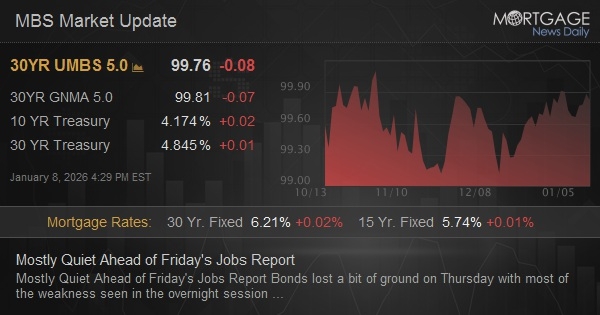
If you’ve been watching mortgage rates lately, you know they’ve quietly edged back up to around 6.5% to 6.6%—the highest since August 2025. This move isn’t random. Rising oil prices, driven by ongoing tensions in the Middle East, especially Iran’s missile strikes on U.S. and allied positions, have injected extra risk premiums into the markets. That has investors worried about persistent inflation, pushing long-term yields higher—and mortgage rates follow suit.
The link between energy prices and inflation expectations is crystal clear right now. As oil costs climb, so do concerns that inflation won’t easily fade. The bond market is pricing in fewer chances for Fed rate cuts this year—and in fact, some traders see another interest rate hike before 2026 ends. It’s a marked shift from earlier optimism about quicker easing.
The Housing Market and Stock Players: Winners and Losers
For prospective homebuyers, higher mortgage rates mean affordability challenges are back in full force. Refinancing activity remains sluggish, and homeowners are less inclined to move or sell, which dampens overall housing turnover. This puts pressure on homebuilders, mortgage lenders, and consumer sectors tied to housing, with lower sales volume hitting their earnings.
On the flip side, energy companies are riding the wave. Big integrated oil firms are benefiting from surging crude prices, helping to buoy broad U.S. equity markets that otherwise face headwinds from the housing sector’s slowdown.
The Dollar’s Rise and Currency Market Shifts
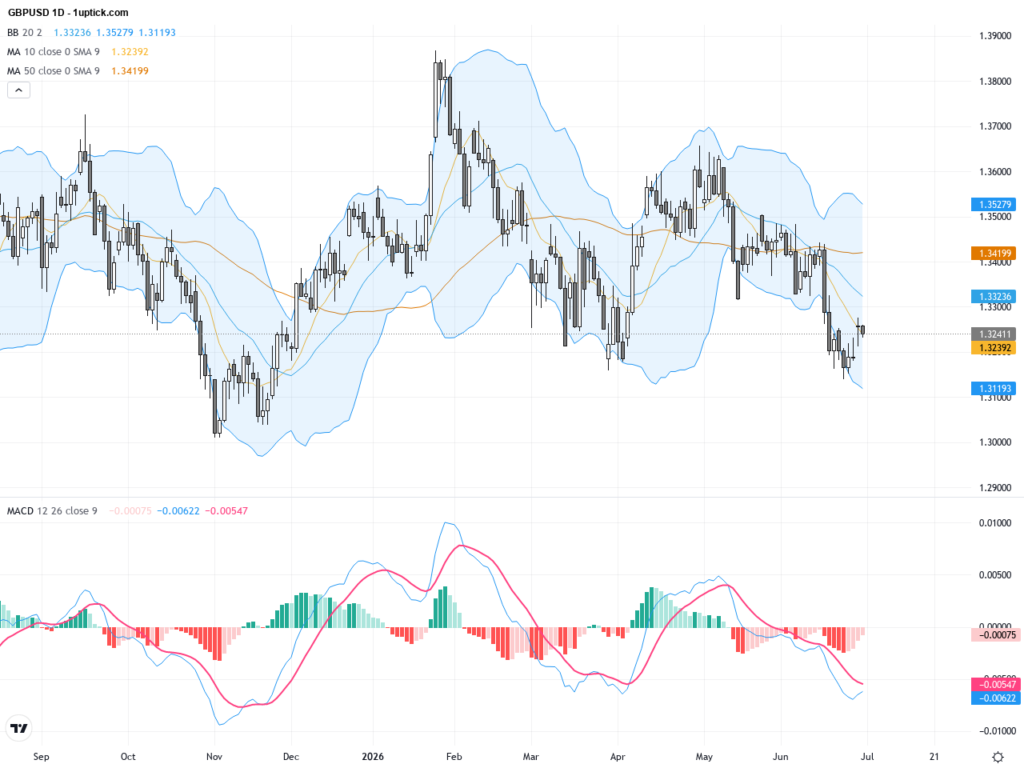
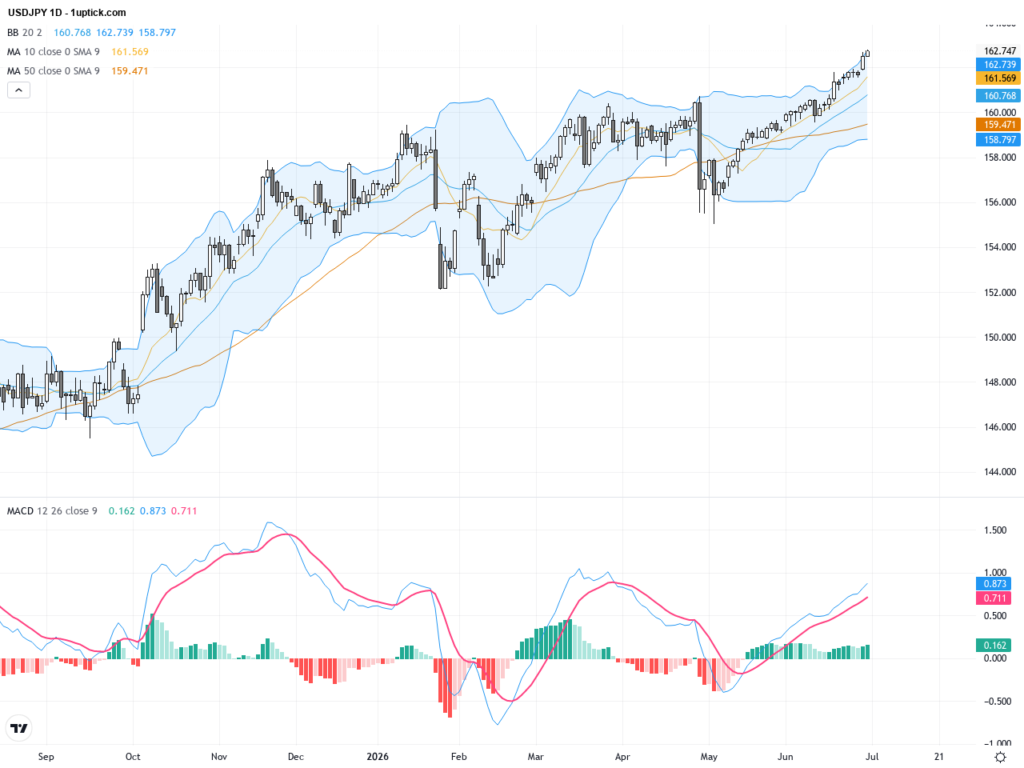
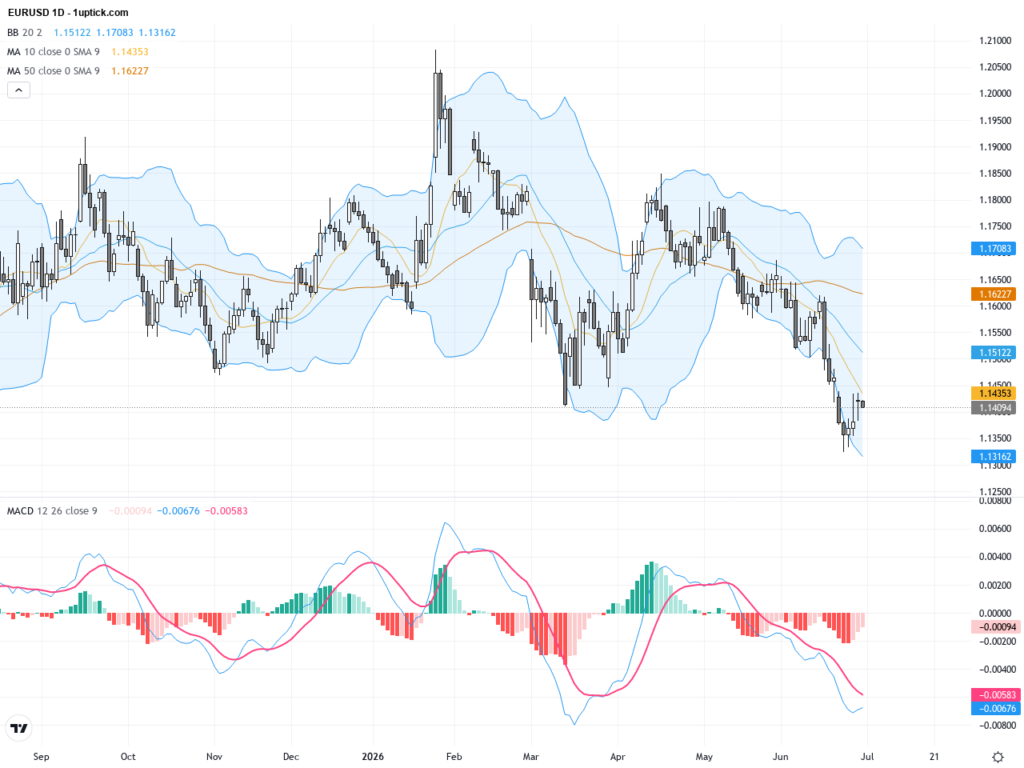
The dollar is strengthening as investors bet that U.S. interest rates will stay elevated longer than those of other major economies. This dynamic favors the greenback but challenges currencies of oil-importing nations dealing with cost-push inflation. Meanwhile, commodity exporters enjoy better trade terms, benefiting from higher energy prices.
What’s Next? Key Indicators to Watch
The coming weeks are critical. Inflation data—including the CPI, Personal Consumption Expenditures (PCE), and wage reports—will be under the microscope. If core inflation cools convincingly, mortgage rates could ease back toward the low 6% range. But if energy prices keep pushing inflation upward, rates may remain stubbornly high.
Geopolitical developments in the Middle East also remain a wildcard. Any escalation could send oil—and thus inflation expectations—higher, further pressuring long-term yields and mortgage rates.
Fed communication will be decisive. Market participants will watch FOMC statements and dot-plots closely for signals on the timing of the next move. Hawkish signals mean mortgage rates may stay elevated; dovish hints could provide some relief.
Finally, keep an eye on housing market data—mortgage applications, home sales, and builder sentiment—because these will reveal if higher rates are materially cooling demand or pushing prices lower, impacting the broader economic outlook.
In short, the mix of energy shocks and geopolitical risk has thrown a curveball at inflation and interest rates. For homebuyers and investors, the months ahead require keen attention. Your mortgage rate isn’t just a number—it reflects broader economic forces that could shape your financial future.