









 |
| Gold V.1.3.1 signal Telegram Channel (English) |
China’s CPI Stalls Amid Surging Oil Prices, Highlighting Lingering Weak Domestic Demand
2026-06-10 @ 13:02
CPI Stalls Even as Producer Prices Climb: What’s Really Happening Under the Hood?
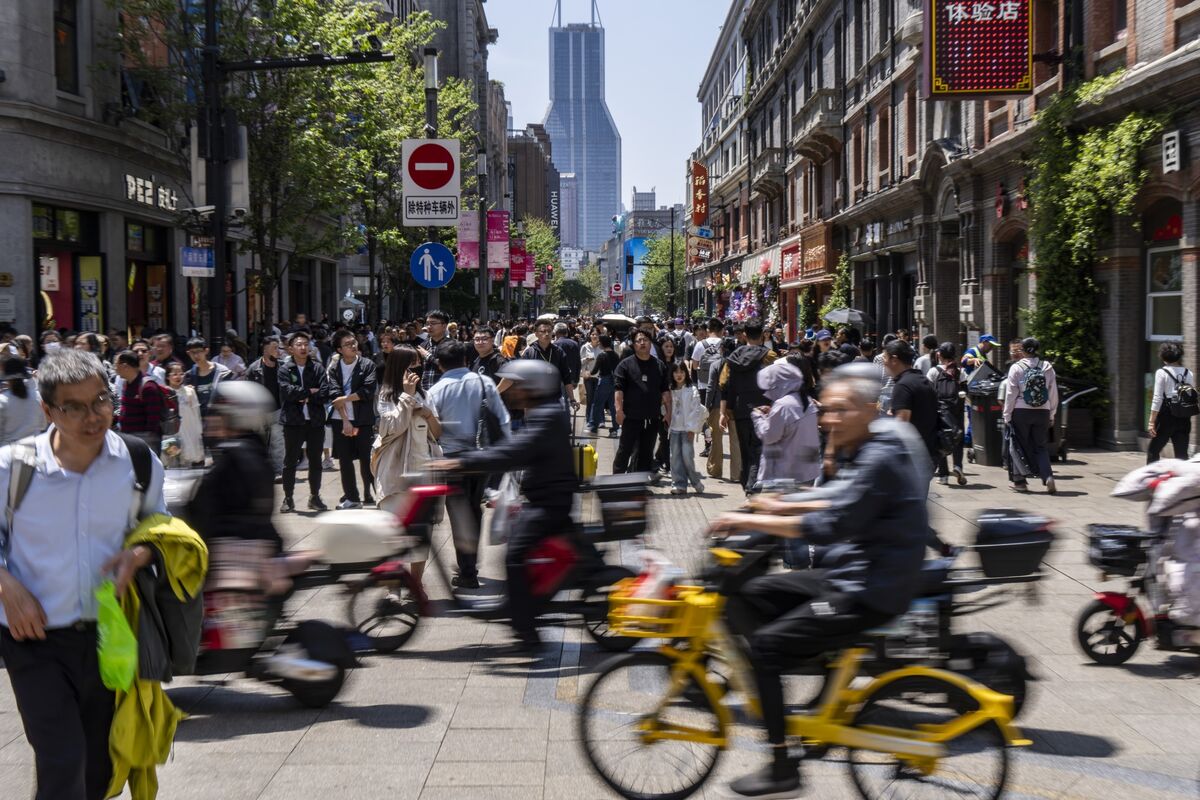
China’s latest consumer price index (CPI) data came in flat year-over-year, surprising many who expected at least a modest uptick given the surge in global oil and commodity prices. This flatline tells a compelling story: despite the external cost pressures piling up, domestic consumer demand remains weak, and inflation is stubbornly subdued.
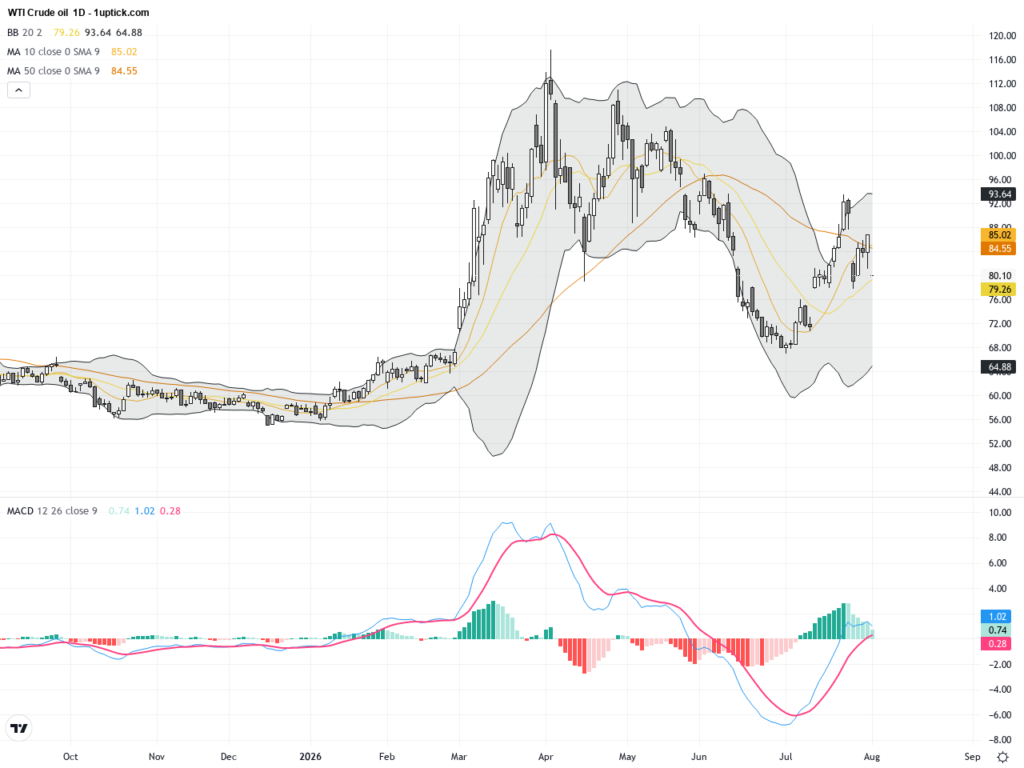
For the past months, China’s consumer inflation has hovered near zero or dipped into negative territory, while the producer price index (PPI) endured a prolonged deflationary stretch. Interestingly, that PPI deflation has recently reversed, buoyed by rising commodity and oil prices plus policy efforts aimed at reining in chaotic price competition in sectors like automotive and heavy industry. So, upstream costs are ticking up, but downstream consumer prices haven’t followed suit yet.
PBoC Keeps the Foot on the Gas—But Cautiously
This soft CPI reading bolsters the view that the People’s Bank of China (PBoC) will continue its cautious, accommodative stance. Rather than slashing benchmark interest rates dramatically, the focus is on targeted measures — like relending facilities and support for the property sector — to stimulate demand without hammering the currency. This approach keeps the yuan under manageable depreciation pressure against the dollar, within a controlled band.
Bond markets have responded positively. Both short- and long-dated Chinese government bonds are supported as investors price in a low-inflation, moderate-growth scenario paired with ongoing policy backing. The gap between flat CPI and rising PPI highlights margin squeeze risks for some producers, but not enough yet to trigger broad market sell-offs.
Equity Markets See Winners and Losers Amid Divergent Price Trends
This split inflation picture drives sector rotation in Chinese equities. Upstream and midstream players in commodities, energy, and industrial sectors stand to gain from rising prices. By contrast, downstream consumer discretionary and export-facing manufacturers face margin pressures, struggling to pass on higher input costs. Consumer confidence remains tepid, and the real estate sector’s headwinds persist, constraining pricing power despite some easing of deflationary pressures.
Global Ripple Effects: China’s Inflation Puzzle and Worldwide Price Pressures
China’s role as a major importer means rising oil and raw material prices add modest tailwinds to global commodity demand. Yet, with headline CPI staying flat, China isn’t pushing inflation along the supply chain via final goods prices. This limits inflation spillovers to international markets, especially in manufactured goods, helping offset inflationary pressures from energy and services elsewhere.
What’s Next? Watching PPI’s Pass-Through and Policy Moves
The big question ahead is whether the recent uptick in PPI and commodity costs can ultimately push core CPI higher, or if weak demand will force firms to absorb higher expenses themselves, eroding margins. Investors will also keep a close eye on signals from the PBoC and the State Council on fresh easing measures — be it cuts to reserve requirement ratios or expanded credit support targeted at industries like property development.
Managing the yuan’s stability versus the need for easier financing conditions becomes more delicate against a backdrop of higher-for-longer US interest rates. Meanwhile, external factors like export orders, trade tensions, and supply chain shifts could reshape China’s pricing leverage in global markets. Finally, stronger retail sales, service sector growth, and employment data will be key to determining whether China can escape a no-inflation trap and move toward sustainable, demand-driven price normalization.
All told, while headline inflation remains muted, China’s government is walking a fine line — reaffirming a 5% growth target and opting for finely-tuned interventions over broad stimulus. For market participants, understanding this complex inflation picture and policy nuance is critical for navigating risks and opportunities ahead.