

 |
| Gold V.1.3.1 signal Telegram Channel (English) |
US Inflation Hits 4.2% as Iran Conflict Sparks Energy Shock and Consumer Squeeze
2026-06-11 @ 13:05
US Inflation Surges to 4.2%, Energy Costs at the Heart of the Spike
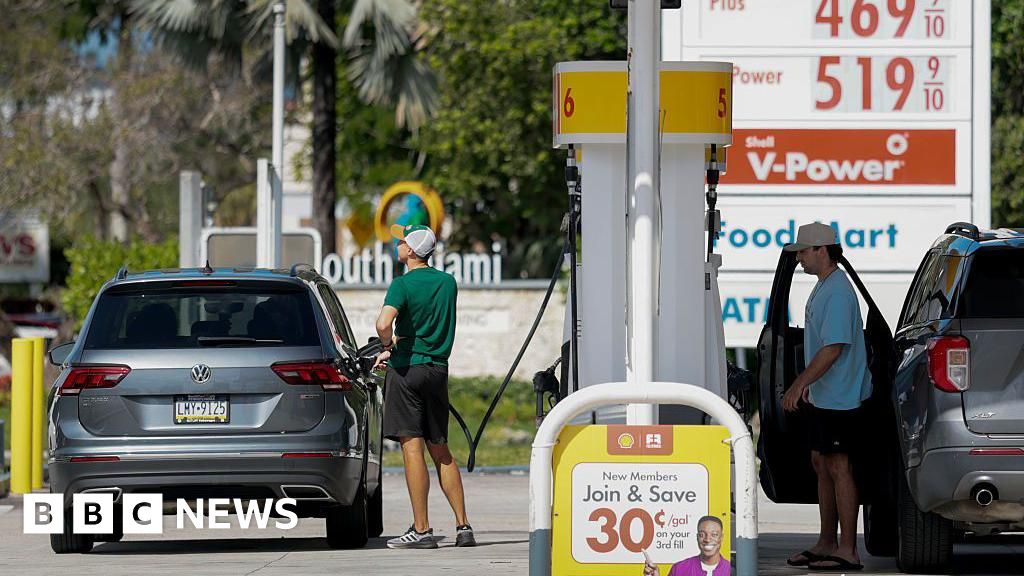
This June, US headline inflation jumped unexpectedly to 4.2%, marking the strongest increase in about three years. The latest market data and research over the past two weeks point directly to the escalating US-Israel-Iran conflict as the main culprit. The geopolitical tension has driven oil prices higher, pushing gasoline, natural gas, and utility costs up, which then ripple through transportation and goods prices, tightening household budgets.
Recent figures reveal this conflict has added roughly $40 billion in extra fuel costs for US consumers since its onset. That’s over $300 extra per household in under two months. Such a sizable cost shock is starting to weigh on consumption growth, with economists revising 2026 US consumption forecasts downward from 2.5% to around 1.9%.
Dollar Strength and Market Volatility: Safe-Haven Demand Rises
Inflation and geopolitical uncertainty have made the US dollar a leading safe-haven asset. Investors are pricing in a more hawkish Federal Reserve stance, driving the dollar higher. This dynamic tightens financial conditions globally, especially for emerging markets with dollar-denominated debt, which face increased repayment burdens.
The energy sector is in the midst of a clear stagflationary oil shock. Since the conflict erupted, Brent crude has stayed well above pre-war levels. Concerns around disruptions at the strategic Strait of Hormuz remain high, fueling elevated oil price volatility. These dynamics are pushing up costs for petrochemicals, shipping, fertilizers, and food prices, amplifying cost-push inflation internationally. Meanwhile, gold prices have rallied to recent records, underlining its role as an inflation hedge and haven in uncertain times.
Stock Market Splits and Bonds Yield Jumps
Global equity markets are showing a clear split. Energy and commodity export stocks are outperforming, while rate-sensitive growth sectors, consumer discretionary, and transportation are under pressure as input costs rise. US stock indexes remain relatively resilient but with increased volatility. The rise in interest rates is weighing on valuations, although energy and defense company earnings help offset some headwinds.
In the bond market, US Treasury yields are climbing, especially at the front end, as markets rethink the timing and extent of expected Fed easing. Breakeven inflation rates have widened, signaling concerns that inflation may remain stubborn. Credit spreads overall are contained but are starting to widen among lower credit quality firms, many of which carry heavy leverage and face rising energy bills.
Economic and Regional Realities
The rising price of fuel and essentials is eroding Americans’ real disposable income, slowing consumption growth. The Middle East conflict is also taking a toll on regional economies; recent research estimates damages between $120 billion and $194 billion for Arab economies due to energy disruption, trade rerouting, and risk premium hikes.
Emerging markets show a split reaction. Commodity exporters are benefiting from higher prices, but oil importers are hit by currency pressures and tighter financial conditions. Investors are closely watching sovereign debt spreads and foreign exchange reserves for signs of stress in these vulnerable countries.
What’s Next? Key Watchpoints Ahead
Markets are eagerly waiting to see how the Federal Reserve interprets the 4.2% inflation print. Will they view it as a mostly temporary, war-driven energy shock or a sign inflation is embedding more deeply? Upcoming CPI and PCE reports, along with Fed communications, will be crucial in guiding expectations for interest rates and market reactions.
Oil supply risks remain front and center. Any prolonged disruption around the Strait of Hormuz or Iranian exports could push this price shock from a short-term event into a systemic drag on global growth and risk assets.
Consumer resilience matters a lot. Real wage growth, savings, and credit conditions will determine how long households can absorb these higher prices without pulling back sharply on spending. A slowdown in retail, travel, autos, and housing sectors could signal broader earnings risks.
Emerging markets dependent on oil imports remain vulnerable to the strong dollar and rising energy bills. Watching sovereign credit spreads, FX reserves, and IMF actions will be critical to gauging potential balance-of-payments stresses.
Lastly, geopolitical developments still heavily influence the outlook. Any escalation or de-escalation in the US-Israel-Iran conflict could rapidly shift oil prices, inflation expectations, and risk premiums. Markets will respond with intensity to confirmed changes in energy infrastructure, sanctions, or direct strikes.