








 |
| Gold V.1.3.1 signal Telegram Channel (English) |

Brexit’s GDP Hit Estimated at 6–8%, Highlighting Ongoing Drag on UK Growth
2026-06-19 @ 13:03
Brexit’s Economic Toll: A Stubborn 6–8% GDP Gap
Fresh research based on Bank of England company-level data reveals that by the end of 2025, the UK economy is roughly 6 to 8 percent smaller than it would have been if Brexit hadn’t happened. This gap isn’t just numbers on a page—it’s reflected in weaker business investment, fewer jobs, and slower productivity growth. Think of it as a “slow-burn” economic wound, simmering over years due to heightened trade barriers, ongoing uncertainty, and reduced openness to global markets.
Comparisons with similar economies (the so-called “doppelgänger” models) back this up, showing per capita GDP trailing by that same 6 to 8 percent margin and investment down by 12 to 18 percent—pointing to a substantial structural hit.
Sterling, Markets & the Investment Climate
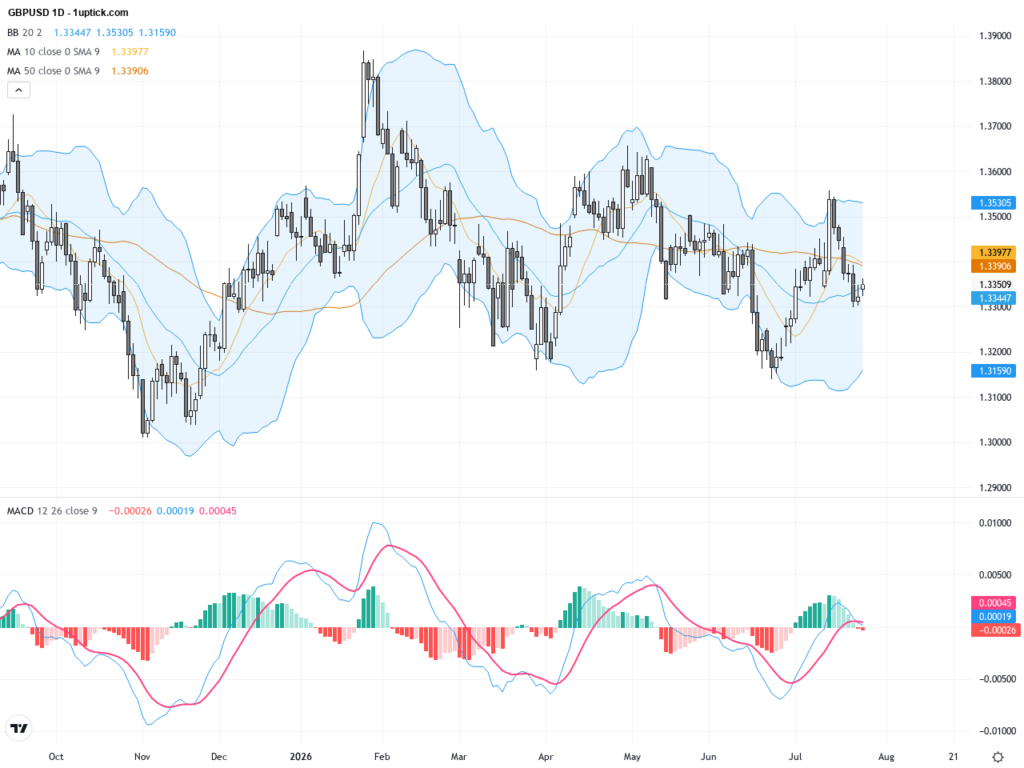
The structurally weaker growth outlook and diminished trade links help explain why sterling has steadily traded at a discount relative to pre-2016 levels. Even as UK inflation normalizes and interest rates hold relatively high, the pound remains weighed down, mirroring a roughly 10 percent drop in trade openness when compared with peer economies. This limits sterling’s medium-term support from trade-related inflows.
UK equities haven’t escaped unscathed. Listed companies have underperformed their global peers, squeezed by declining capital expenditures and slower hiring. Industries heavily exposed to EU markets—manufacturing, autos, chemicals, food, and some business services—face steeper non-tariff barriers and complex rules of origin, all hitting profit margins and future investment plans.
Fiscal Constraints & Gilts
A smaller economy and reduced potential output mean a tighter fiscal envelope. The latest Office for Budget Responsibility reports align with these findings, estimating that Brexit has left UK output about 4 percent below baseline in the long term. This raises structural borrowing needs and complicates government budgeting. Meanwhile, markets are watching how the Bank of England manages to normalize rates without denting gilt demand or sterling’s fragile stability.
Sectoral Shifts & Labour Supply Tightening
Part of the GDP gap ties back to lower EU migration, which has tightened labor supply, mainly in low-wage sectors and public services, capping potential output growth. Trade-intensive regions and sectors that lost passporting or frictionless EU access bear a heavier share of the adjustments, driving structural economic shifts.
New Findings Confirm Persistent Impact
The freshest company-data-based studies over the past two weeks confirm that Brexit’s negative effects didn’t fade after the immediate shock, but kept accumulating through 2025. Early economic forecasts nailed the size of the GDP loss but got the timing wrong—it’s a gradual, persistent drag as new trade rules, shifts in capital flows, and changing workforce dynamics play out.
Hence, policy conversations are increasingly zeroing in on whether targeted regulatory and trade alignment measures with the EU—like sector-specific deals, mutual recognition agreements, or partial alignment on sanitary and phytosanitary standards—can claw back some of that lost openness without full single market re-entry.
The Road Ahead: Risks and Opportunities
The big question: can the UK shrink that 6–8 percent GDP gap through domestic reforms—better planning systems, skills development, infrastructure upgrades—and smart trade deals? Or will Brexit put a lasting ceiling on growth potential? Market watchers will monitor corporate capex, hiring trends, and decisions on relocating operations to gauge whether the supply-side shock is stabilizing or worsening.
Politics and policy play big roles. Moves toward deeper EU regulatory or customs alignment could uplift growth prospects and support UK assets. On the flip side, tensions over trade agreements, diverging standards, or tighter migration rules might solidify economic drags. Fiscal sustainability remains an ongoing concern as a structurally smaller economy means future budgets and debt management require careful navigation.
So, Brexit’s economic story is far from over. It’s a marathon, not a sprint, and investors and policymakers alike need to keep a close eye on how this evolves.