






 |
| Gold V.1.3.1 signal Telegram Channel (English) |

Fed’s Pause and Labor Market Slowing Spark Talk of Faster Rate Cuts in 2026
2026-06-28 @ 13:02
Fed Hits the Brakes—But Markets Are Pushing for Faster Cuts
At the Fed’s latest meeting, Chair Powell painted a picture of an economy on “firm footing,” yet acknowledged labor market cooling and weak housing activity. This subtle dovish undertone has lit up debates: could the Fed ease faster and deeper in 2026 than current guidance suggests?
Recent data tell an intriguing story—employment growth is losing steam, with net job losses outside healthcare highlighting underlying labor market softness. Although unemployment remains moderate, the slowdown is tangible, forcing investors to reconsider the timing of future rate cuts.
On the inflation front, core prices, particularly in services, continue to ease. If this trend persists, inflation may dip to or below the Fed’s 2% target in coming months—a signal that could trigger a more aggressive easing stance.
In the bond market, the Fed’s three quarter-point cuts have brought the target range to 3.5% to 3.75%, flattening the short end of the curve. Investors now price in a higher chance of additional 2026 cuts as labor data weaken and unemployment edges up.
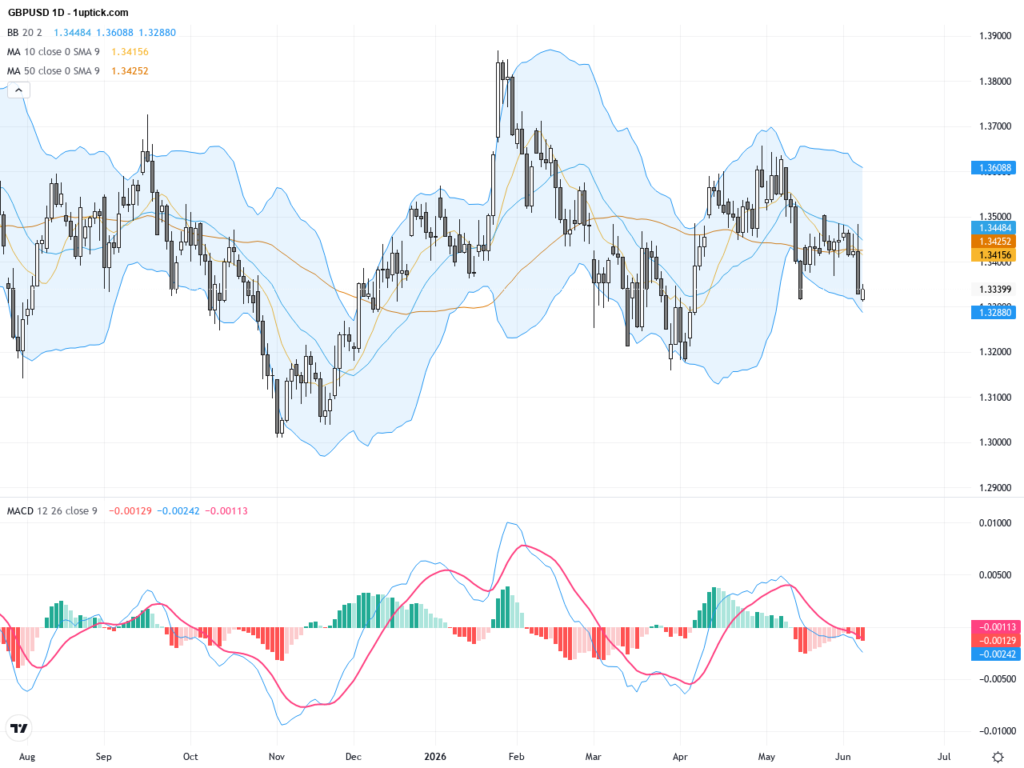
Equities are feeling the impact too. Rate-sensitive sectors like real estate and high dividend stocks react positively to the prospect of easier policy, while cyclical industries face earnings pressure. Meanwhile, the U.S. dollar remains vulnerable amid soft economic readings and expectations of Fed easing outpacing other central banks.
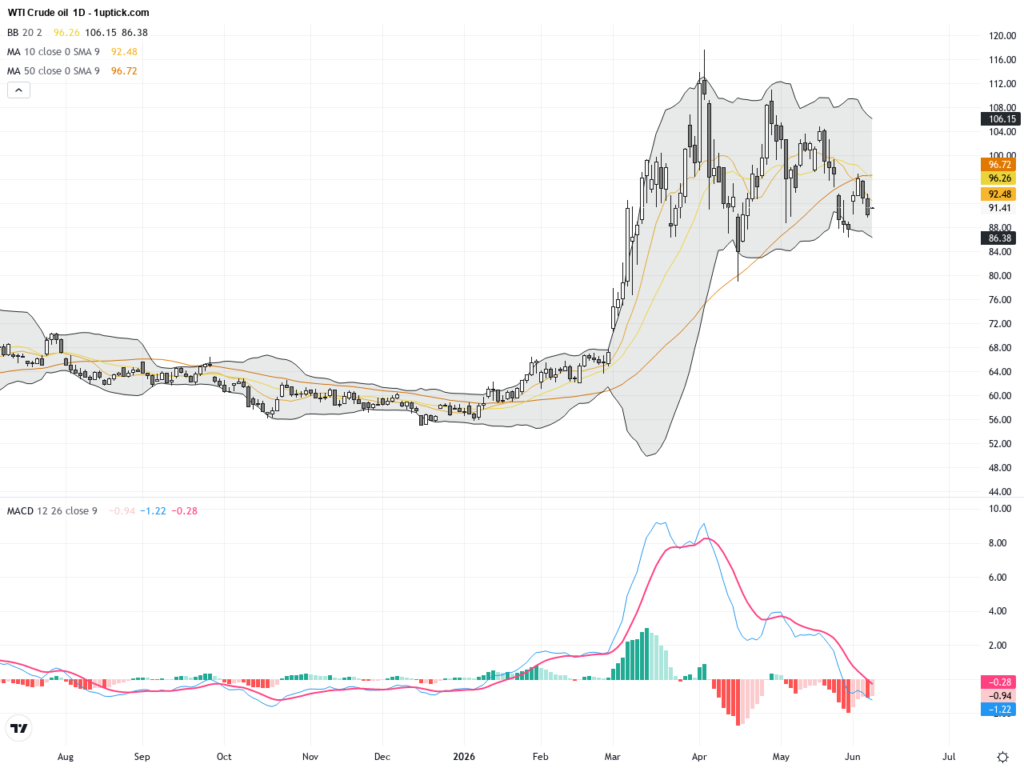
However, rising oil prices complicate the picture by propping up headline inflation and stirring stagflation fears, which could curb the Fed’s flexibility. Past hawkish signals from officials add to the cautious tone despite ongoing inflation improvement.
All eyes are now on upcoming payroll and unemployment reports. A continued slowdown in job gains and rising unemployment would strongly support faster rate cuts, while inflation readings—especially core PCE and services inflation—will guide how decisively the Fed pivots.
In short, the Fed is navigating a tricky balancing act between sustaining economic momentum and keeping inflation in check. Investors should brace for market swings as fresh data could reshape monetary policy expectations and investment strategies for 2026.
Remember, this is unfolding against a backdrop of global uncertainties and volatile energy prices, adding complexity to every Fed decision. Stay tuned for the next data releases—they could very well redefine the policy landscape ahead.