

 |
| Gold V.1.3.1 signal Telegram Channel (English) |
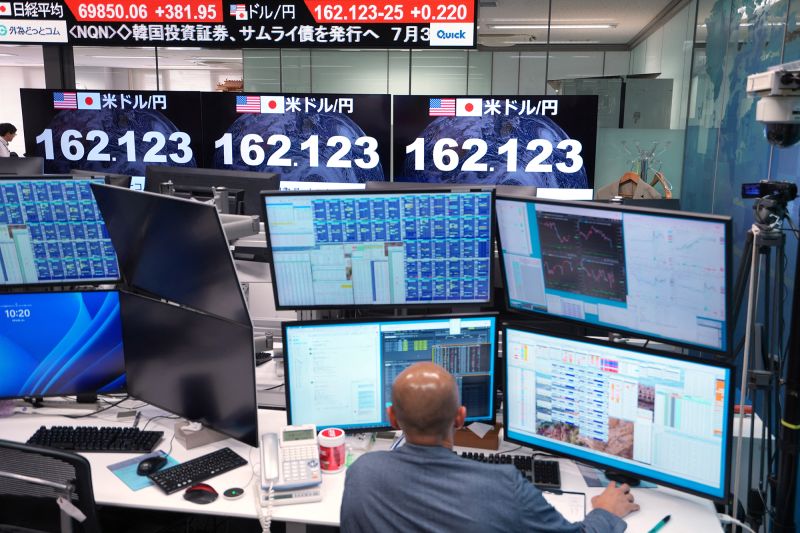
Japanese Yen Hits 40-Year Low Near 162 Amid Tokyo Intervention Risks
2026-07-02 @ 13:02
Yen Nears 40-Year Low: What’s Driving the Slide?
At the turn of July 2026, the Japanese yen fell below 162 against the US dollar, a level unseen since 1986. This decline reflects the massive interest rate gap between the US and Japan. While the US Federal Reserve continues to raise rates, the Bank of Japan (BOJ) has maintained a very accommodative stance with low policy rates. This disparity fuels carry trades, where investors borrow cheap yen to invest in higher-yielding assets abroad, intensifying pressure on the yen.
Impact Across Markets: FX, Bonds, Stocks & Commodities
The yen’s weakness doesn’t just shake currency markets—it sends ripples through bonds, equities, and commodity costs. On FX markets, the yen’s fall boosts the dollar’s strength versus other currencies, forcing Japanese policymakers to wrestle with how much more yen depreciation they can tolerate.
In the bond market, a weaker yen complicates efforts for Japan to normalize interest rates. Rising long-term yields reflect inflation worries and potential intervention plans, casting a shadow over Japan’s fiscal outlook. Meanwhile, Japan’s exporters stand to gain from a weaker yen, as overseas earnings translate into higher yen revenues, providing some cushion to profits.
But the flip side hits domestic consumer sectors hard. Imported inflation via pricier energy and goods, driven by the sliding yen, pushes up costs locally, squeezing household budgets and skewing Japan’s trade balance.
Will Tokyo Step In Again?
The big question on everyone’s lips: Will Japan once again intervene in foreign exchange markets? The yen’s recent trading range just brushes the lowest levels that previously triggered official intervention efforts in early 2024. Should the yen fall further, pressure on the government to act will mount.
Markets are also watching BOJ signals closely. Any hint of faster monetary tightening or tapering of bond purchases could shift the yen’s path. Meanwhile, the persistent US-Japan interest rate gap continues to fan yen-selling momentum and risk a sudden unwind of carry trades.
Global Fallout: What Could This Mean?
It’s not just a Japan story. As the yen edges lower, global investors worry about knock-on effects on US Treasury yields and broader market volatility. If Japan intervenes or if carry trades unwind sharply, expect reallocations across global bonds and equities, injecting fresh uncertainty amid already fragile market conditions shaped by ongoing inflation and geopolitical concerns.
In short, the yen’s slide to near four-decade lows is a vivid symptom of wider monetary dynamics and investor moves. The outlook hinges on Tokyo’s policy maneuvers and US rate trends, with potential ripple effects spanning multiple asset classes worldwide. For investors, staying nimble and monitoring risk signals remains crucial in navigating this evolving terrain.