








 |
| Gold V.1.3.1 signal Telegram Channel (English) |
UK Business Investment Slows: Tax and Cost Pressures Stall Growth Plans
2026-07-06 @ 13:03
UK Business Investment Slows: Tax and Cost Burdens Holding Back Growth
As the British Chambers of Commerce (BCC) released their latest economic forecast at the end of June, the picture for UK business investment looks far from rosy. Investment is projected to grow just 1.6% this year and a modest 1.9% in 2026, signaling sluggish momentum for the UK economy. Inflation remains stubbornly high, and trade headwinds add to the pressure, making firms hesitant to lock in capital expenditures.
The stacked deck of rising tax and regulatory costs is especially hitting small and medium-sized businesses and high-growth regional firms hardest. BCC leaders have voiced concerns that successive UK governments have layered on taxes—business rates, corporate taxes—and compliance demands that dampen appetite for expansion. For many companies, these burdens are more than just minor annoyances; they’re game-changers, undermining confidence and deterring much-needed investment.
Broader Economic and Market Implications
For equity markets, the consequences are clear. Manufacturing and construction firms, which rely heavily on capital investment, face tougher earnings growth prospects. With domestic demand weak, margins are squeezed further by rising operating costs. The British pound (GBP) is also under pressure. Limited investment, combined with sluggish GDP growth and persistent inflation, caps the sterling’s potential upside, as markets temper expectations for UK productivity gains.
On the bond side, the mix of weak investment and soft growth points to relatively low long-term real yields. However, inflation still exceeding the 2% target and policy rates above pre-pandemic levels provide a floor beneath gilt yields. Credit spreads, especially within UK-focused cyclical sectors, may stay wide if confidence and spend don’t pick up.
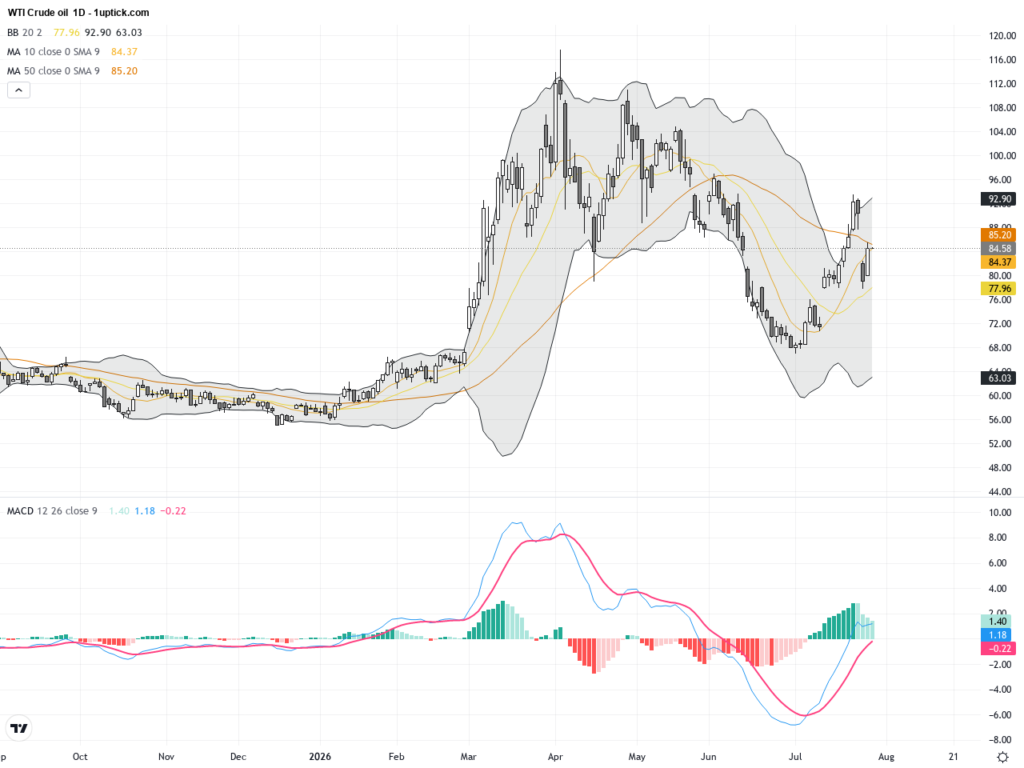
Regarding commodities, weaker UK capital expenditure will likely reduce demand for construction materials, industrial metals, and local energy. However, geopolitical tensions in the Middle East, rather than domestic investment trends, remain the primary drivers of energy prices and supply risks globally.
Sector and Regional Impact: High Costs Hit SMEs and Growth Firms
High domestic costs and policy uncertainties weigh most on SMEs and fast-growing regional companies that need easy access to finance and stable business conditions. Capital-intensive industries—advanced manufacturing, infrastructure, green transition projects—require targeted support if they are to thrive amid these challenges.
BCC’s “Future of the Economy” manifesto calls for bold government action to channel investment into high-growth sectors, focusing on skills development, AI and technology adoption, trade expansion, and improved finance access as crucial levers to boost business dynamism.
Looking Ahead: What to Watch
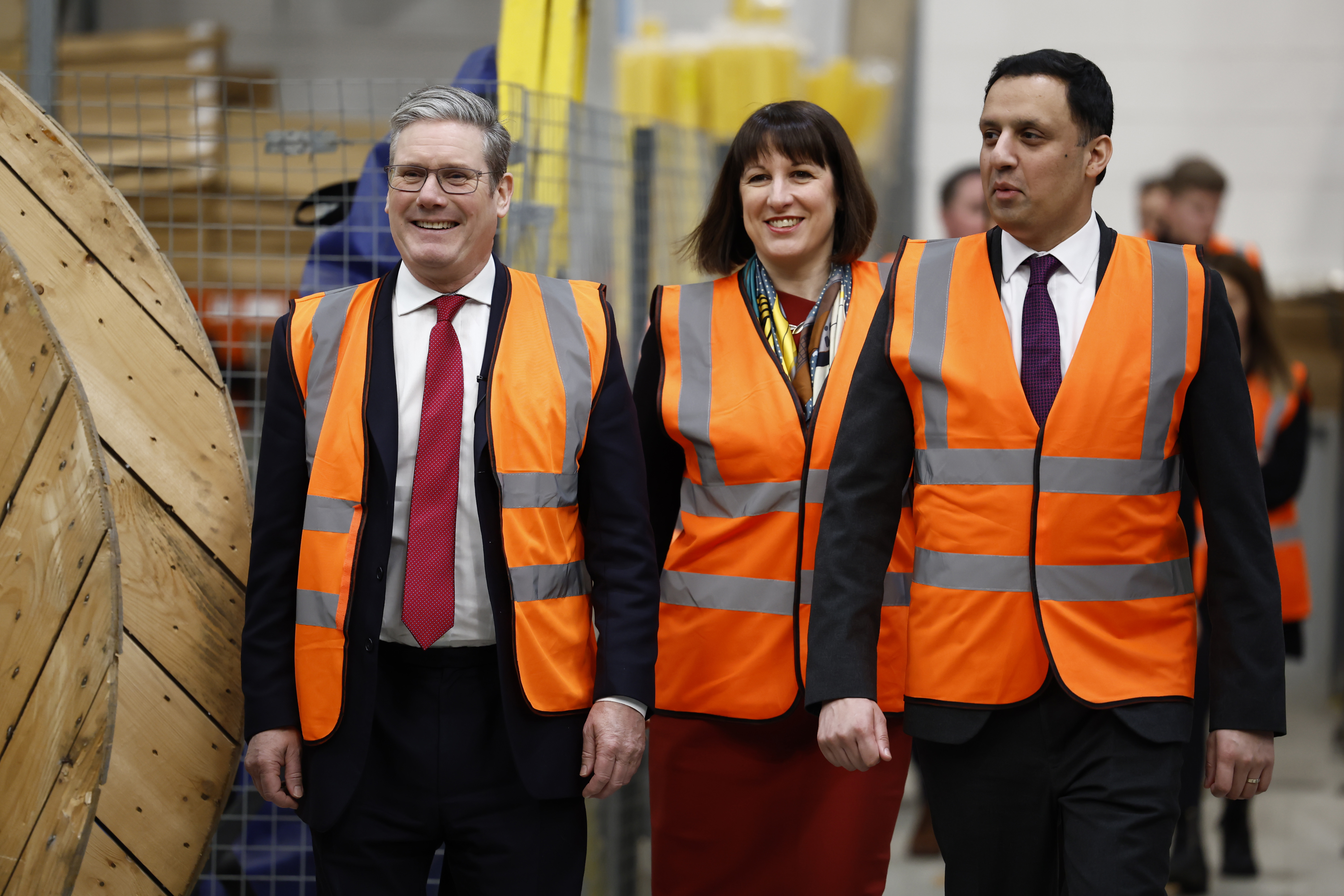
Markets will be watching closely for any substantive changes in tax policy, business rates, and investment incentives that could lighten the load on UK companies. While the Bank of England is expected to ease interest rates gradually, persistent inflation means rates will likely remain historically high for some time, affecting financing conditions and investment appetite.
Geopolitical risks, especially tensions in the Middle East, remain a wildcard influencing trade flows, energy costs, and market sentiment. Any escalation could weigh down UK growth further, whereas easing risks might support a pick-up in investment.
Ultimately, the path to a meaningful investment recovery will depend on a combination of global demand improvements, a clearer industrial strategy, and targeted policy support for emerging sectors like green tech, AI, and advanced manufacturing. Investors should maintain a cautious stance, keeping close tabs on policy moves and geopolitical developments to navigate this complex landscape effectively.