

 |
| Gold V.1.3.1 signal Telegram Channel (English) |
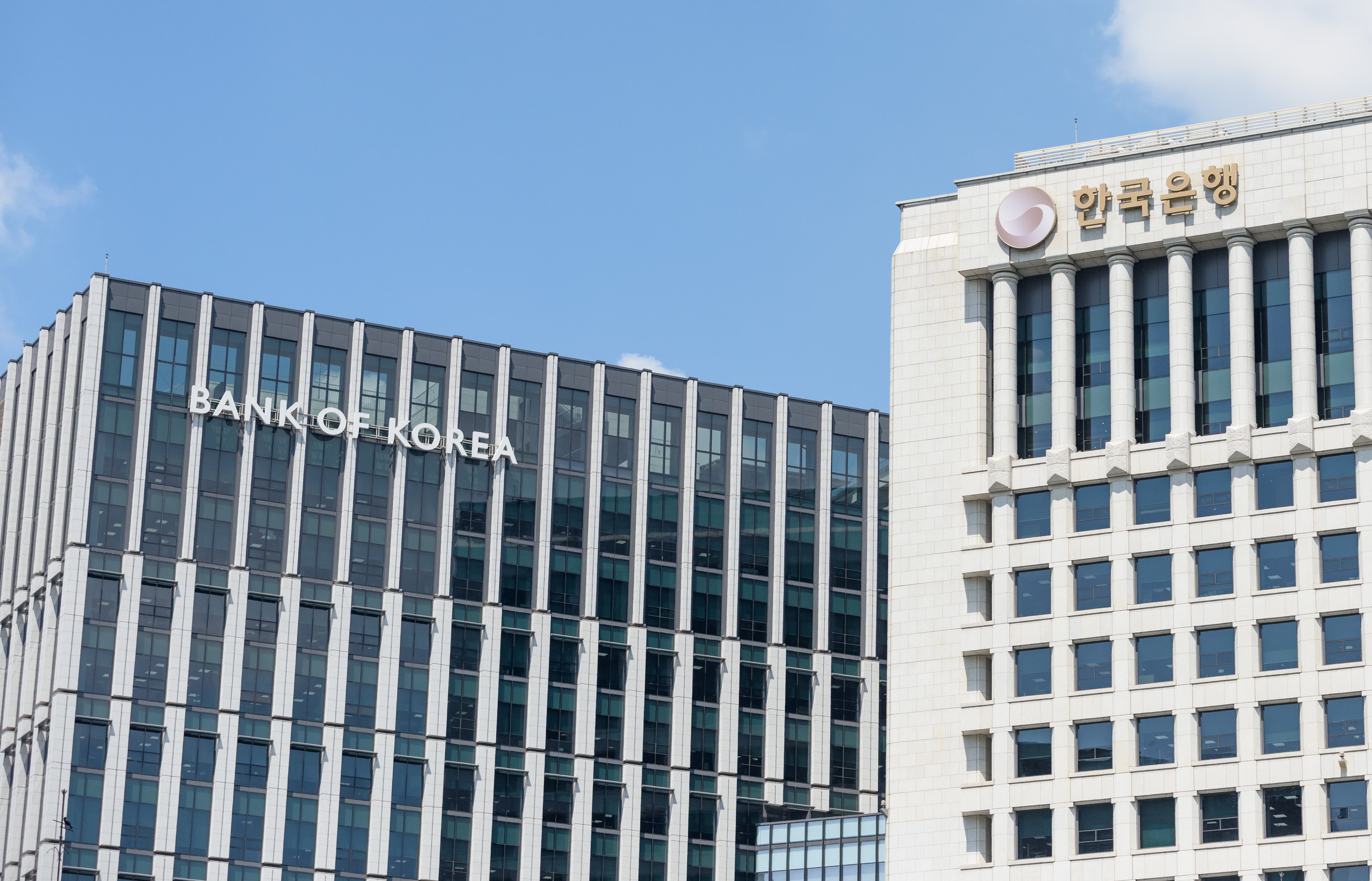
Bank of Korea Breaks Three-Year Pause with First Rate Hike Amid Inflation Surge
2026-07-16 @ 13:02
Bank of Korea Ends Three-Year Pause, Ramps Up Inflation Fight
The Bank of Korea (BoK) just shook things up by hiking its base interest rate to 2.75%, the first increase since 2023, ending a stretch of steady 2.50% rates that lasted over three years. This move responds directly to a sharp inflation jump—headline CPI hit 3.2% year-over-year in June, marking the fastest rise in over two and a half years and well above BoK’s target of 2%. The new governor, Shin Hyun-song, has made it clear: tackling inflation head-on requires swift and decisive action. This rate hike was no surprise to markets, who had been nearly unanimous in expecting a 25bps bump this month.
With rates climbing, the Korean won, which had weakened past 1,500 against the US dollar recently, is getting critical policy support. Compared to other Asian central banks, BoK’s move increases carry attractiveness, helping to stabilize the won—particularly if rates continue toward 3%.
Korean government bond yields have already been trending higher, reflecting expectations for a higher terminal rate, and today’s hike essentially confirms that trend. For equities, the story is mixed: domestic banks, real estate, and highly leveraged growth stocks face pressure from costlier funding, while exporters may find relief if the won stays on the soft side despite the rate hikes.
Raising the policy rate also increases debt service costs for households and SMEs, which is particularly significant given South Korea’s elevated household leverage—a key medium-term financial stability risk flagged by the BoK. Banks might enjoy wider net interest margins, but credit risks could grow if growth slows.
Looking ahead, all eyes are on whether the BoK will press further, potentially adding another 25 to 50bps before the year ends, with the October meeting becoming a critical checkpoint. The trajectory of inflation—especially core and service sectors—will be decisive in shaping BoK’s stance. South Korea’s resilient growth currently gives some room to maneuver, but high household debt means that sensitivity to rate hikes is heightened, making data on consumption, housing, and loan delinquencies vitally important.
External factors, including the won–USD exchange rate, Federal Reserve policy moves, and global risk sentiment, will influence how aggressive the BoK can be without triggering destabilizing capital outflows or currency depreciation. Finally, BoK’s decision looks like part of a shifting tide across Asia, where central banks are stepping away from ultra-loose policies. Investors will want to watch these regional ripples closely, as they could reshape emerging Asia FX, local currency bonds, and equity risk premiums.
In sum, Korea’s return to tightening marks a pivotal moment with far-reaching consequences—not just at home, but across the Asian financial landscape. Whether this sparks a sustained tightening phase or a delicate balancing act remains to be seen, but it’s absolutely worth your attention if you’re watching global markets.