






 |
| Gold V.1.3.1 signal Telegram Channel (English) |
How to Build a Diversified Forex and Commodities Portfolio for Long-Term Growth
2026-07-27 @ 00:02
How to Build a Diversified Forex and Commodities Portfolio for Long-Term Growth
Creating a diversified portfolio that spans both forex and commodities markets is a sophisticated strategy employed by institutional investors and savvy entrepreneurs alike. This comprehensive guide will walk you through the data-driven approach to building a resilient investment portfolio that can weather market volatility while capturing growth opportunities across global markets.
Step 1: Assess Your Risk Profile and Investment Objectives
Before entering any position, conduct a thorough self-assessment of your risk tolerance, investment timeline, and capital allocation limits. Determine whether your primary goal is capital preservation, income generation, or aggressive growth. Use quantitative risk assessment tools to establish your maximum drawdown tolerance, typically ranging from 5-20% for most retail investors. Document your investment thesis and review it quarterly to ensure alignment with market conditions.
Step 2: Analyze Macro-Economic Indicators and Market Correlations
Study key economic indicators including GDP growth rates, inflation data (CPI/PPI), central bank interest rate decisions, and employment figures across major economies. Map the correlations between currency pairs and commodities—for example, AUD/USD typically correlates with gold and iron ore prices, while USD/CAD moves inversely with crude oil. Utilize correlation matrices updated weekly to identify diversification opportunities and avoid concentration risk in highly correlated assets.
Step 3: Select Core Currency Pairs Based on Fundamental Analysis
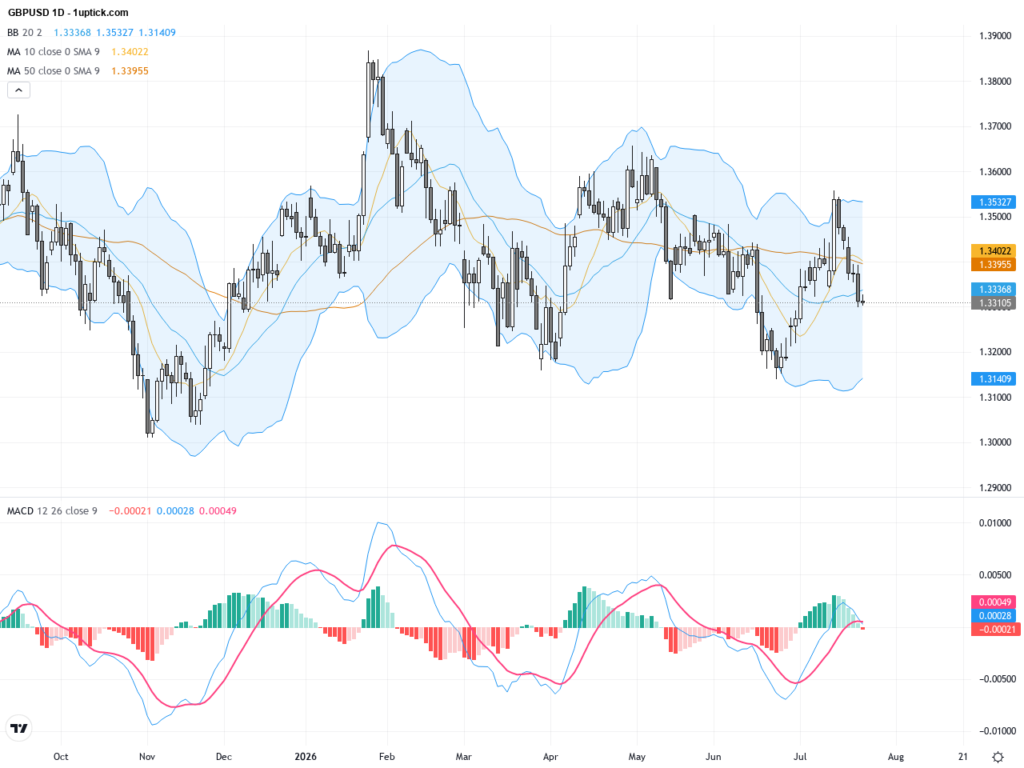
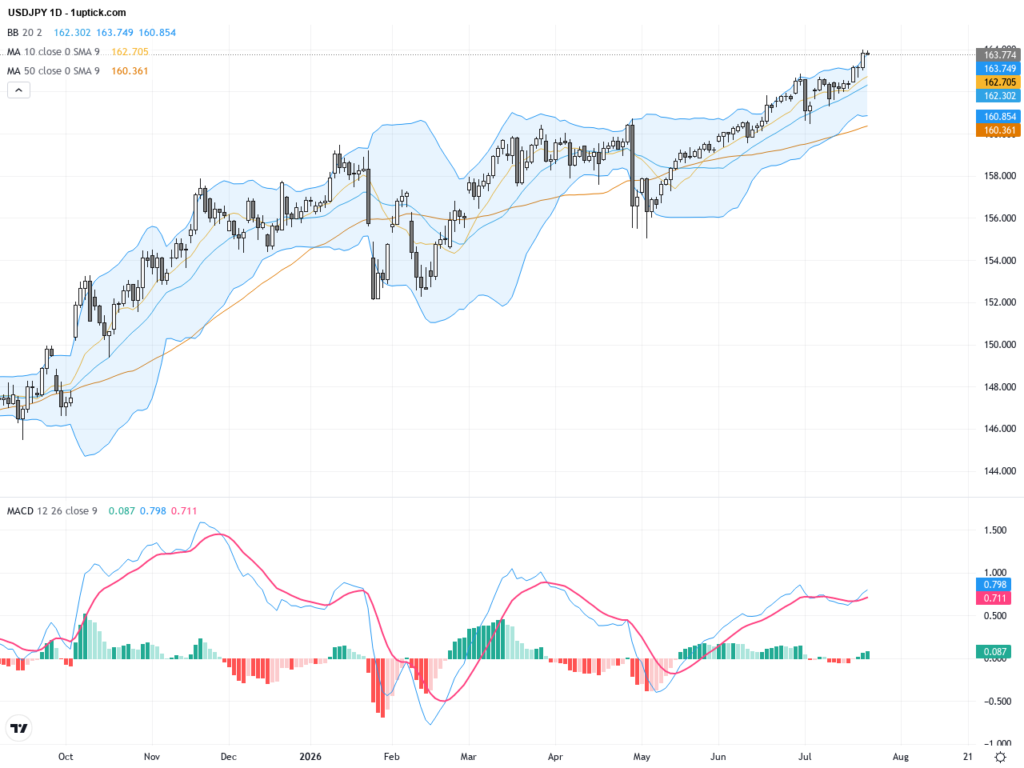
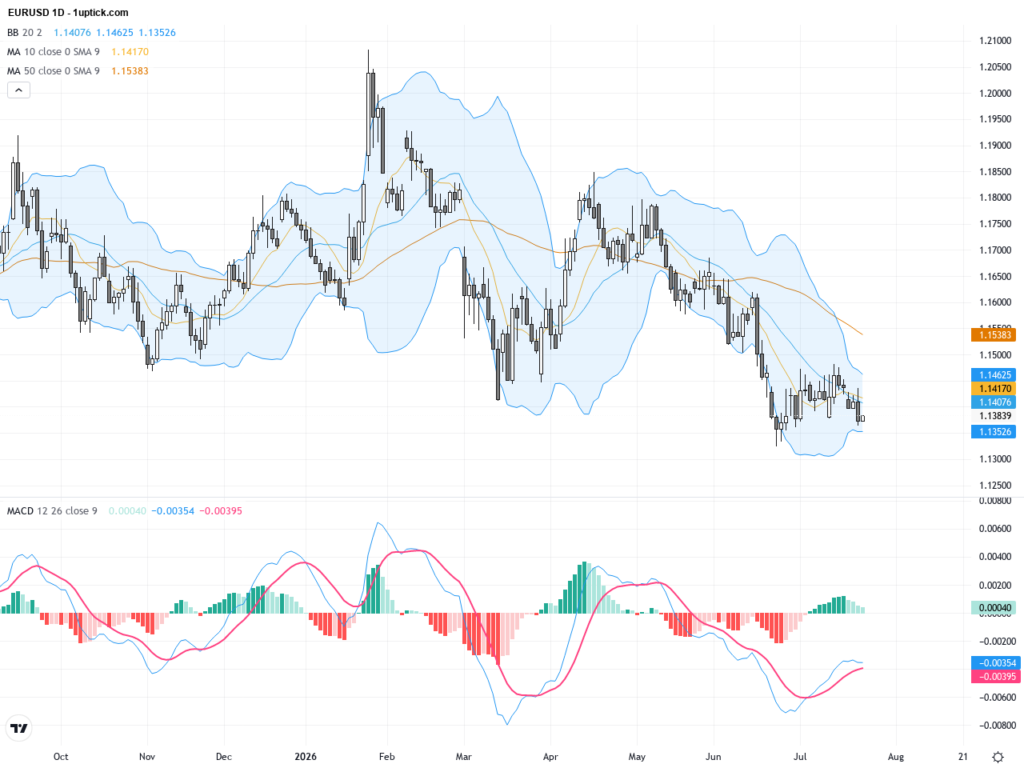
Build your forex foundation with major pairs (EUR/USD, GBP/USD, USD/JPY) that offer high liquidity and tighter spreads. Allocate 40-50% of your forex exposure to these majors. Add cross pairs and selected emerging market currencies for yield enhancement, but limit EM exposure to 15-20% of total forex allocation. Monitor central bank forward guidance and interest rate differentials to identify carry trade opportunities with favorable risk-reward ratios.
Step 4: Incorporate Strategic Commodities Positions
Diversify into commodities across three categories: precious metals (gold, silver) for safe-haven protection, energy (crude oil, natural gas) for inflation hedging, and agricultural commodities for seasonal opportunities. Consider using ETFs, futures contracts, or CFDs based on your capital size and expertise level. Maintain commodities allocation between 20-35% of your total portfolio, with gold serving as a core holding at 10-15% for portfolio stability during risk-off environments.
Step 5: Implement Technical Entry and Exit Strategies
Develop a systematic approach using multiple timeframe analysis—weekly charts for trend direction, daily for trade setup, and 4-hour for precise entry. Apply key technical indicators including 200-day moving averages, RSI for momentum, and Fibonacci retracements for support/resistance levels. Set predetermined take-profit targets with minimum 1:2 risk-reward ratios and use trailing stops to protect profits during extended trends.
Step 6: Execute Risk Management Protocols
Never risk more than 1-2% of total capital on any single trade. Use position sizing calculators to determine appropriate lot sizes based on stop-loss distance. Implement portfolio-level Value at Risk (VaR) analysis to ensure total exposure remains within acceptable parameters. Maintain cash reserves of 20-30% to capitalize on unexpected opportunities and provide cushion during drawdown periods.
Step 7: Monitor, Rebalance, and Optimize Continuously
Review portfolio performance weekly and conduct comprehensive analysis monthly. Track key metrics including Sharpe ratio, maximum drawdown, win rate, and average risk-reward achieved. Rebalance positions when allocations drift more than 5% from targets. Stay informed through premium market intelligence platforms that provide real-time analysis, economic calendars, and expert commentary on market-moving events.
Insider Insight: Professional traders consistently emphasize that successful portfolio management is 80% risk management and 20% trade selection. The most profitable portfolios are not those that capture every move, but those that preserve capital during adverse conditions and compound gains steadily over time. Consider implementing a ‘barbell strategy’—combining highly liquid, low-risk core positions with smaller tactical allocations to higher-volatility opportunities. This approach, favored by hedge fund managers, provides stability while maintaining upside potential. Additionally, maintain a trading journal documenting every decision and outcome; this practice alone can improve returns by 15-25% annually through pattern recognition and behavioral refinement.