



 |
| Gold V.1.3.1 signal Telegram Channel (English) |
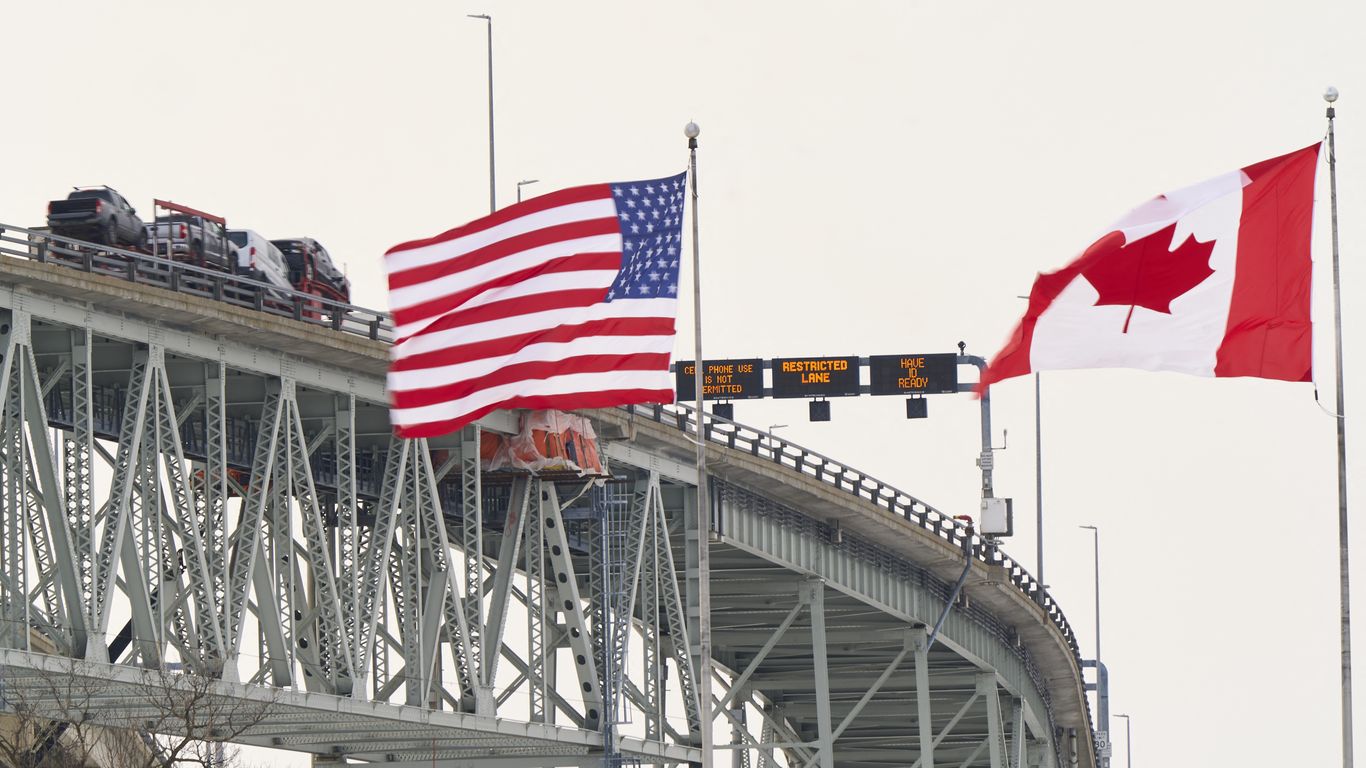
Canadian Boycott Deals Multi‑Billion Dollar Blow to U.S. Tourism, Hitting Border States and City Economies
2026-07-28 @ 13:02
How a Canadian Travel Boycott Is Hitting U.S. Tourism Hard—and Who’s Paying the Price
Last year, Canadian trips to the U.S. fell a staggering 25%, dropping from 39 million visits to just 29.1 million. That plunge wiped out roughly C$3.3 billion (US$2.3 billion) in spending—money that’s seriously missed across American hotels, casinos, restaurants, and retail outlets. And this isn’t a one-off blip. Data from early 2026 shows a troubling pattern: thirteen straight months of year-over-year drops, the sharpest travel slump in decades outside of pandemic times.
What’s driving this? It’s more than just travel mishaps. Political tension is at the heart of it all. Since President Trump’s re-election in 2025, new tariffs on Canadian goods and a tough American rhetoric toward Canada have fostered a boycott-like atmosphere. Canadians, feeling the economic squeeze and stirred by heated political talk, are hitting pause on their vacation and business trips south of the border.
Economic Ripples and Market Realities
The fallout is visible on multiple fronts. While currency markets haven’t seen a seismic shock—since FX pairs like USD/CAD are still mostly influenced by broader macro factors—the drop in U.S. services exports to Canada, especially tourism-related spending, places a subtle drag on the U.S. current account balance. Meanwhile, Canadian travelers are redirecting their vacation dollars to Europe and alternative destinations, chipping away at what was once a stable revenue source for the U.S.
Stock markets aren’t spared either. Key U.S. hospitality and leisure sectors—think New York’s hotels, Florida’s theme parks, Nevada’s casinos, and retail hubs in border states—are facing revenue squeezes. According to the U.S. National Travel and Tourism Office and Commerce Department, about 4 to 4.2 million fewer Canadian visitors arrived in 2025. This decline contributes to a broader international travel downturn and dents urban economies heavily dependent on Canadian foot traffic.
Digging deeper, research from the University of Toronto using mobile phone data uncovers a whopping 42% year-over-year drop in Canadian visits to U.S. metropolitan areas. That means cities aren’t only losing vacationers but also business travelers and cross-border shoppers. The ripple effect hits urban retail, food and beverage sectors, and real estate investment trusts (REITs) focused on lodging.
Travel-related service providers, especially airlines with strong Canada-U.S. routes, are feeling weakened demand. On the flip side, Canadian carriers and European destinations are winning as travelers pick alternative routes.
Regional and Industry Hotspots
Border regions—including New York, Michigan, Washington, and northern New England—are hardest hit. The 7.1 million fewer Canadian trips to the U.S. in 2025 were offset by a surge of 5 million more domestic Canadian trips and 1.3 million overseas trips, mostly to Europe. This “reshuffling” means the U.S. is losing out while other destinations and Canada itself soak up that travel demand.
The Canadian tourism industry is benefiting from this reshoring, as more Canadians explore local destinations or head to European hotspots, diverting spending away from the U.S.
Looking Ahead: What Could Change the Game?
Into 2026, the trend shows no signs of reversing. January alone saw a 22% dip in Canadian visits to the U.S. So far, the boycott has hardened beyond leisure tourism, affecting business trips and day visits, making it more complex for U.S. travel operators to bounce back.
Tourism lobbies and border community groups are pushing for policy shifts—lower tariffs, eased political tensions, and targeted marketing—to win travelers back. The political backdrop is key here: President Trump’s administration policies, especially tariffs and rhetoric labeling Canada as the “51st state,” continue to fuel negative sentiment and discouragement from traveling south.
Investors and industry watchers will be eyeing Q3 and Q4 earnings from hospitality giants, airlines, and travel platforms for detailed clues on how deep this impact really runs. Impairment charges or downgraded outlooks tied to cross-border exposure could signal lasting damage.
Also under the microscope: which alternative destinations are capitalizing on displaced Canadian travelers? European leisure markets, Caribbean resorts, and Canadian domestic hotspots are poised to gain—and their growth trajectories may shift regional aviation and hotel stocks.
Finally, the sustainability of this boycott depends on Canadian public sentiment and media narratives. If the political climate in the U.S. softens or trade tensions ease, cross-border travel might rebound. Otherwise, this pattern could represent a fundamental, longer-term shift in North American travel behavior.
In all, Canadian resistance to American tourism isn’t just a temporary hiccup—it’s reshaping travel, local economies, and investment landscapes, particularly in border states. The next moves in diplomacy and economic policy will likely determine whether this fracture heals or deepens.