Insightz

Insightz
US Steel Tariffs 2024: Impact on Manufacturing and Trade

US Steel Tariffs 2024: Impact on Manufacturing and Trade

US Steel and Aluminum Tariffs: Impact, Motivations, and Market Shifts

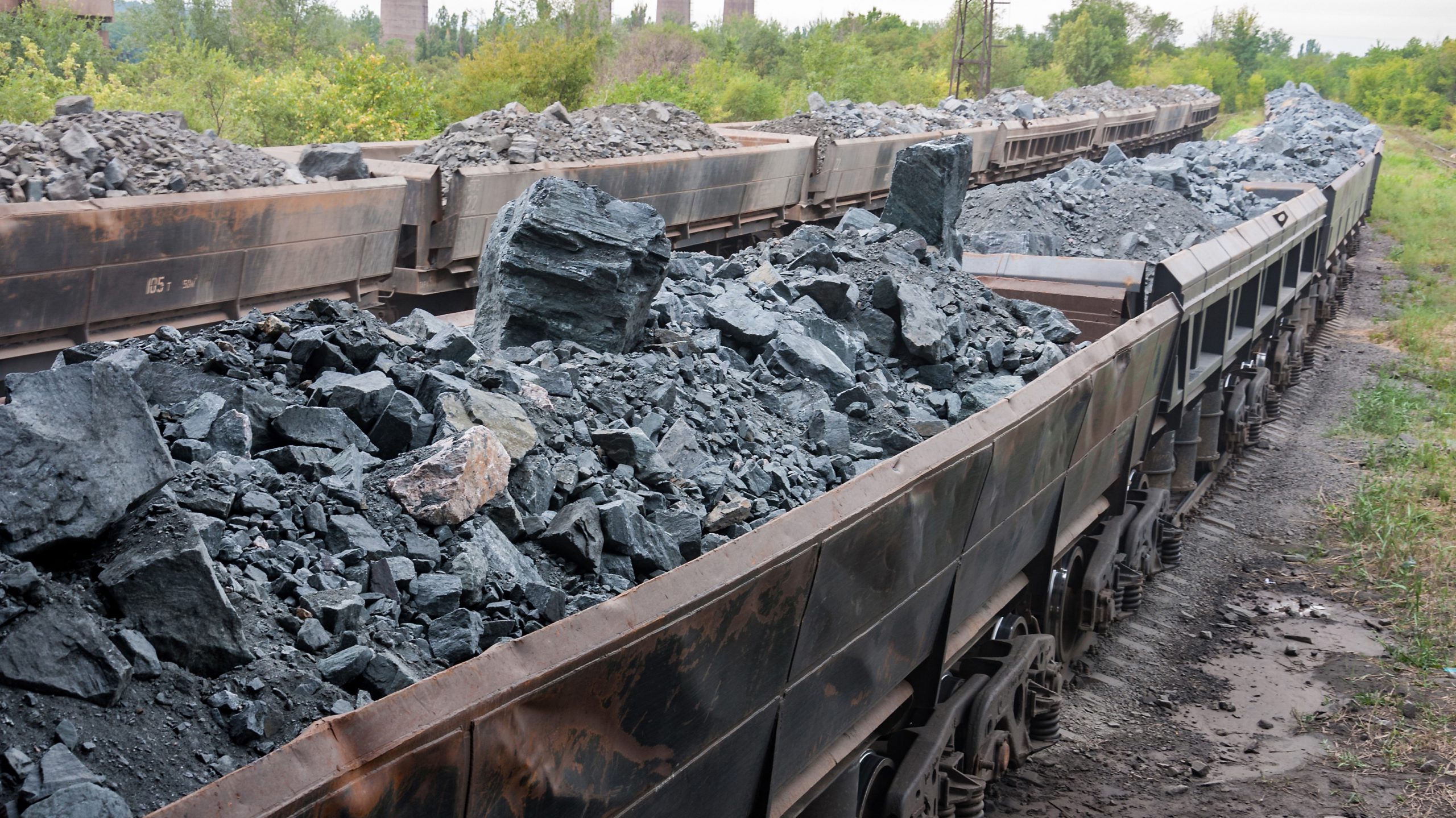
The US has imposed new **25% tariffs** on steel and aluminum imports to counter China’s overproduction and support domestic manufacturers. While this move aims to protect American jobs and boost local industries, it may also raise costs for key sectors like automotive and construction. Potential retaliatory tariffs could further strain global trade relations. Will these tariffs strengthen US manufacturing or spark broader economic challenges? Read on for expert insights and market forecasts.


Iron Ore Prices Drop Amid China Market Uncertainty

Iron Ore Prices Drop Amid China Market Uncertainty

Iron ore futures declined as market uncertainty in China weighs on demand. The Dalian iron ore contract fell **1.14%** to **778.5 yuan/mt**, continuing its downward trend. Steel mills maintain cautious buying strategies, while China’s real estate struggles and global supply shifts add pressure. Despite near-term weakness, analysts predict potential stabilization, with prices expected to reach **802.61 CNY/T** by quarter-end. Stay informed on the latest market trends affecting iron ore prices.

Copper Prices Surge as Supply Tightens and US Tariff Fears Grow

Copper Prices Surge as Supply Tightens and US Tariff Fears Grow

Copper prices are soaring near a five-month high as global supply constraints and US tariff concerns drive market volatility. The potential for import tariffs has sparked a surge in US copper imports, while declining production in Chile and the US further tightens supply. Meanwhile, electrification efforts and Chinese stimulus continue to fuel strong demand. Analysts expect copper prices to remain elevated, with Goldman Sachs forecasting a growing market deficit in 2025. Read more on the latest copper market trends.

Eurozone Faces Unprecedented Uncertainty as ECB Cuts Growth Forecasts

Eurozone Faces Unprecedented Uncertainty as ECB Cuts Growth Forecasts

ECB’s de Guindos warns that current economic uncertainty in the eurozone exceeds COVID-19 levels, driven by U.S. trade tensions and geopolitical instability. The ECB lowered its growth forecasts for 2025 and 2026, while implementing a 25-basis-point rate cut to stimulate the slowing economy. Despite easing inflation, weak consumer confidence and hesitant business investments pose risks to recovery. Increased defense spending offers opportunities but raises fiscal concerns. Stay informed on the latest ECB policies and market reactions.

Fed’s Uncertainty Sparks Market Jitters: What Investors Should Expect

Fed’s Uncertainty Sparks Market Jitters: What Investors Should Expect

The Federal Reserve’s latest decision to hold interest rates steady has left investors on edge amid growing economic uncertainty. With fears of a potential recession rising and market volatility intensifying, all eyes remain on key economic indicators that could influence the Fed’s next move. As policymakers emphasize a data-driven approach, investors are searching for clearer guidance on future rate cuts. Will the Fed adjust its stance, or will uncertainty persist? Stay updated on the latest market developments.

UK House Price Predictions 2025: Trends, Growth, and Market Outlook

UK House Price Predictions 2025: Trends, Growth, and Market Outlook

UK house prices have risen 1.9% year-over-year, with Northern Ireland seeing the strongest growth at 7.2%. Experts predict further increases in 2025, especially in northern regions. Stamp duty changes in April could slow the market, but lower mortgage rates may support demand. While house prices continue to climb, flat price growth remains sluggish due to supply-demand imbalances. Stay ahead of the latest housing trends and predictions for 2025 in our in-depth market analysis.

US-EU Trade War Heats Up as $28 Billion Tariffs Hit

US-EU Trade War Heats Up as $28 Billion Tariffs Hit

US-EU trade tensions are reaching new heights as the European Union retaliates against President Trump’s latest tariff hikes. With a **25% U.S. tariff** on steel and aluminum taking effect, the EU has responded with **$28 billion in retaliatory tariffs** on American goods, including textiles and agriculture. Global markets are reacting negatively, with fears of economic slowdown and rising inflation. As the trade war escalates, businesses and investors brace for uncertainty amid growing international backlash.

Global Steel Markets Shake as Trump’s Tariffs Disrupt Trade

Global Steel Markets Shake as Trump’s Tariffs Disrupt Trade

The global steel industry faces mounting challenges as Trump’s 25% tariff on imports from Canada, Mexico, and China reshapes trade dynamics. Rising U.S. steel prices, inflation concerns, and market volatility are key concerns as experts predict a surge in ferrous scrap costs. Meanwhile, worldwide crude steel production is set to grow in 2025, with India and MENA leading expansion efforts. As green steel demand rises and trade tensions escalate, stakeholders brace for a turbulent year ahead.

Trump’s 2025 Economic Policies: Will a Recession Hit Soon?

Trump’s 2025 Economic Policies: Will a Recession Hit Soon?

Trump’s economic policies, particularly his aggressive use of tariffs, are fueling recession fears for 2025. Market uncertainty is rising, with major financial institutions increasing their recession forecasts. Consumer spending and business investments—key drivers of economic growth—are showing signs of strain. Despite Trump’s confidence in his strategy, experts warn of prolonged market instability. Will his policies push the U.S. into a downturn, or can the economy withstand the turbulence? Read on for a deep dive into the economic outlook.

Trump Reverses 50% Tariff on Canadian Steel, Trade War Rages

Trump Reverses 50% Tariff on Canadian Steel, Trade War Rages

Trump has walked back his plan to double tariffs on Canadian steel to 50%, but U.S.-Canada trade tensions remain high. The dispute, fueled by tariffs on steel, aluminum, and electricity, is disrupting markets and raising recession concerns. Canada has already imposed $30 billion in counter-tariffs and is prepared to escalate further. With potential new tariff hikes after April 2, businesses and consumers on both sides of the border face ongoing economic uncertainty. Stay updated on this evolving trade war.

Musk Warns on Entitlements as Trump’s Policies Rattle Markets

Musk Warns on Entitlements as Trump’s Policies Rattle Markets

Musk’s Comments on Entitlements and Trump’s Economic Policies: A Market Perspective

Market volatility surged following Donald Trump’s economic remarks, driving sharp declines in the S&P 500, Nasdaq, and Dow. Policy uncertainty, trade tensions, and weak job data stoked investor fears, while the tech sector struggled amid mixed results. Elon Musk’s recent comments on entitlements and fiscal reform added to the economic debate, highlighting long-term concerns. As markets navigate turbulence, investors remain focused on policy shifts that could shape the future economic landscape.

Why Gold Prices Aren’t Surging Despite Market Chaos

Why Gold Prices Aren’t Surging Despite Market Chaos

Gold prices remain steady despite a sharp U.S. stock market selloff, with investors awaiting key economic data. While Wall Street tumbles, gold has seen minor declines instead of a usual safe-haven surge. Upcoming U.S. inflation reports, Federal Reserve rate cut expectations, and geopolitical tensions are shaping gold’s outlook. Technical signals indicate potential downside if key support levels break. With global economic uncertainty looming, traders are closely monitoring gold for its next big move in this turbulent financial landscape.

1 79 80 81 82 83 86
Hong Kong Property Market 2025: Cooling Prices, Rising Rental Yields, and Signs of Gradual Recovery
14Aug

Hong Kong Property Market 2025: Cooling Prices, Rising Rental Yields, and Signs of Gradual Recovery

Hong Kong’s property market in 2025 is experiencing a cooling of prices alongside rising rental yields, signaling a gradual recovery after years of decline. Despite a significant year-on-year price drop, demand is picking up thanks to stabilizing interest rates and the easing of market restrictions. Residential sales volumes in both primary and secondary markets have surged, supported by developers launching new projects at attractive prices and an improving mortgage rate environment. Construction activity is increasing with a focus on smaller units, although the city still faces a chronic housing shortage. Investors are drawn to better rental yields amid these conditions, while overall market supply is being actively managed by developers to balance inventory levels. Although price rebounds remain cautious due to economic headwinds and supply challenges, improving fundamentals indicate a slow but steady market stabilization is underway.

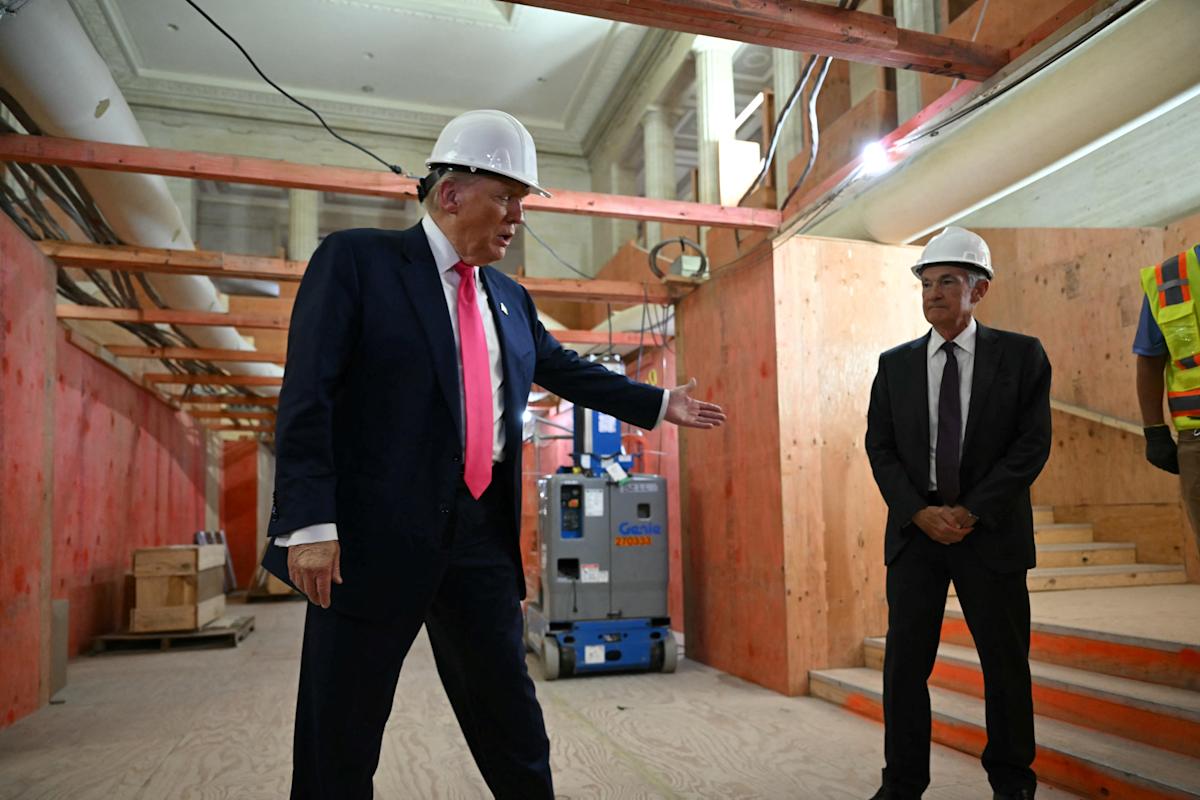
Trump Narrows Federal Reserve Chair Candidates to Final 3-4, Criticizes Jerome Powell’s Mortgage Policies
14Aug

Trump Narrows Federal Reserve Chair Candidates to Final 3-4, Criticizes Jerome Powell’s Mortgage Policies

President Trump has narrowed the list of candidates to replace Federal Reserve Chair Jerome Powell to three or four top contenders, with plans to announce his choice earlier than expected. Trump criticized Powell’s handling of mortgage policies, calling him “truly incompetent” for making it harder for Americans to access affordable home loans. The administration is considering an initial pool of 11 candidates, including notable economists and former Fed officials, as the search intensifies ahead of Powell’s term expiration. This decision marks a pivotal moment in U.S. monetary policy leadership, with significant implications for the housing market and overall economic stability.

Oil Prices Set to Plunge in 2025 as Global Supply Surplus Looms: What It Means for Markets and Energy Consumers
14Aug

Oil Prices Set to Plunge in 2025 as Global Supply Surplus Looms: What It Means for Markets and Energy Consumers

Oil prices are projected to plunge significantly in late 2025 and into 2026 due to a looming global supply surplus driven by OPEC+ production increases and rising output from other major oil-producing countries. Forecasts indicate Brent crude prices will drop from above $70 per barrel in mid-2025 to around $58 per barrel by the fourth quarter and average near $50 per barrel in early 2026. This decline reflects supply growth outpacing demand, leading to large inventory builds worldwide. The U.S. Energy Information Administration anticipates that lower oil prices will reduce gasoline and diesel prices domestically and eventually slow U.S. oil production after reaching record highs in late 2025. Market analysts highlight that increased production capacity in countries such as the UAE, Kazakhstan, Iraq, and Kuwait, along with OPEC+ policy shifts, contribute to the bearish outlook for oil markets. Consumers and energy investors can expect volatility but generally lower energy costs as the market adjusts to this global supply glut.

Crypto Exchange IPO Soars 200% on Debut, Signaling Mainstream Shift in Digital Finance
14Aug

Crypto Exchange IPO Soars 200% on Debut, Signaling Mainstream Shift in Digital Finance

Crypto exchange Bullish made a powerful market debut with its IPO soaring over 200%, signaling a significant mainstream shift in digital finance. Priced at $37 per share, Bullish raised $1.1 billion and achieved a valuation above $5 billion, reflecting strong investor confidence and growing institutional backing from firms like BlackRock and Ark Invest. This successful public offering highlights a bullish trend in crypto finance and IPO markets, with Bullish positioned as a leading platform for professional digital asset trading and owner of CoinDesk. The robust demand and increased IPO size underscore the expanding acceptance and integration of cryptocurrency in traditional financial markets in 2025.

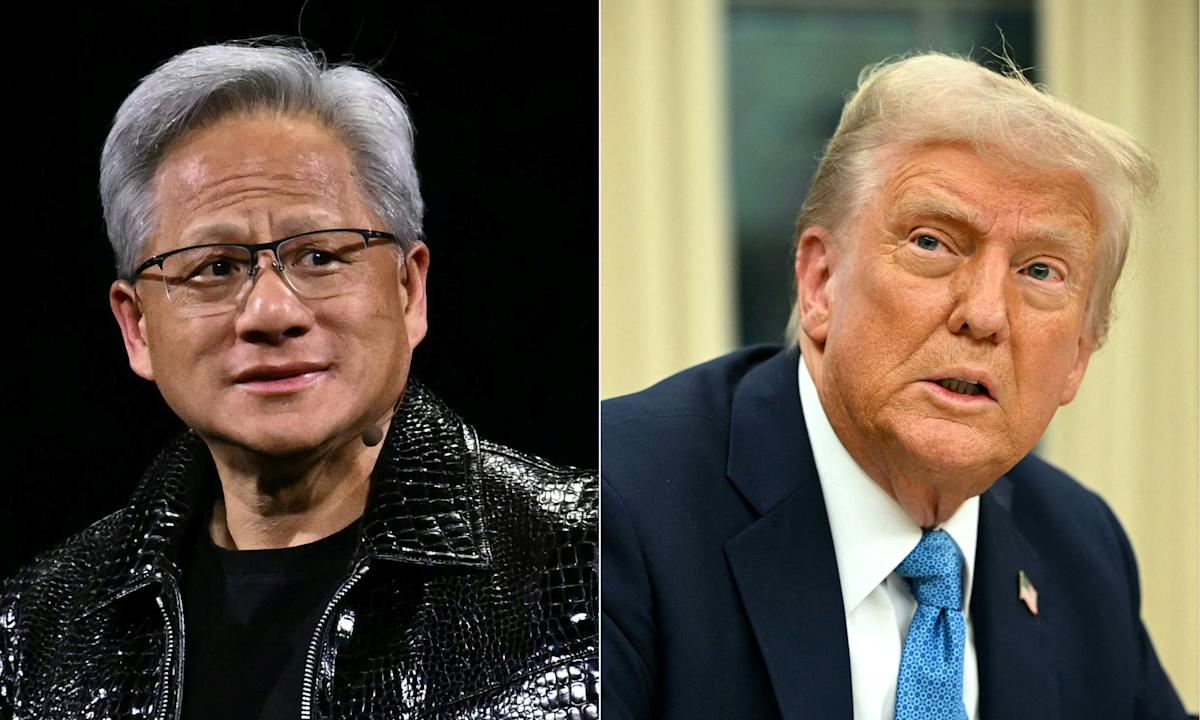
Trump’s 100% Semiconductor Tariffs: Impact on U.S. Tech Giants and the Future of American Chip Manufacturing
14Aug

Trump’s 100% Semiconductor Tariffs: Impact on U.S. Tech Giants and the Future of American Chip Manufacturing

Trump’s implementation of a 100% tariff on semiconductor imports is set to drastically reshape the U.S. technology sector and the global electronics supply chain. This unprecedented tariff targets primarily Asian semiconductor manufacturers, significantly raising costs for U.S. companies reliant on imported chips. While raw semiconductors are exempt if produced domestically, finished products containing chips—such as smartphones, laptops, and electric vehicles—will face steep price increases. The tariff aims to incentivize domestic semiconductor manufacturing investment but is expected to cause widespread supply chain disruptions, leading to higher consumer electronics prices and challenges for tech giants like Apple and other manufacturers. Businesses are urgently adapting to these changes, balancing increased costs with the need to maintain competitive pricing and innovate in American chip manufacturing.

CoreWeave’s IPO Struggles: Why the AI Cloud Provider’s Market Debut Fell Short
14Aug

CoreWeave’s IPO Struggles: Why the AI Cloud Provider’s Market Debut Fell Short

CoreWeave’s IPO faced significant challenges as the AI cloud provider debuted with a subdued market response, reflecting investor concerns over its heavy debt load and reliance on a small number of major clients like Microsoft. Despite controlling a vast amount of NVIDIA GPUs and being a critical infrastructure player in the generative AI boom, CoreWeave has struggled to convert this position into meaningful revenue growth or profitability. Market skepticism about the company’s long-term viability contrasts with a surge in stock price driven by retail investor enthusiasm and short squeeze dynamics. Looking ahead, CoreWeave is committing to substantial capital expenditures in late 2025 to scale operations, but questions remain about its ability to sustain growth and meet financial obligations in a highly competitive AI cloud market.

1 79 80 81 82 83 171

1uptick Analytics @

Maximize your profit at ease

Risk Warning​

*Investment involves risk. You may use the information, strategies and trading signals on this website for academic and reference purposes at your own discretion. 1uptick cannot and does not guarantee that any current or future buy or sell comments and messages posted on this website/app will be profitable. Past performance is not necessarily indicative of future performance. It is impossible for 1uptick to make such guarantees and users should not make such assumptions. Readers should seek independent professional advice before executing a transaction. 1uptick will not solicit any subscribers or visitors to execute any transactions, and you are responsible for all executed transactions.

© 2022-25 – 1uptick Analytics all rights reserved.


Risk Warning​

*Investment involves risk. You may use the information, strategies and trading signals on this website for academic and reference purposes at your own discretion. 1uptick cannot and does not guarantee that any current or future buy or sell comments and messages posted on this website/app will be profitable. Past performance is not necessarily indicative of future performance. It is impossible for 1uptick to make such guarantees and users should not make such assumptions. Readers should seek independent professional advice before executing a transaction. 1uptick will not solicit any subscribers or visitors to execute any transactions, and you are responsible for all executed transactions.

© 1uptick Analytics all rights reserved.

Home
Analysis
Calendar
Tools
Signals