









 |
| Gold V.1.3.1 signal Telegram Channel (English) |

Chicago Gasoline Hits $5 as U.S. Inflation Jumps to Three-Year High, Testing Fed and Consumers
2026-06-13 @ 13:03
Gasoline Prices Soar Past $5 in Chicago: What’s Driving U.S. Inflation Now?
If you’ve filled up your tank in Chicago lately, you probably noticed something shocking — gasoline prices have smashed through the $5 per gallon barrier. This spike isn’t happening in isolation. Inflation across the U.S. is accelerating at its fastest pace in roughly three years. So what’s behind this renewed price surge, and how will it affect markets and everyday Americans?
Recent data highlights a rebound in energy prices after earlier declines, steady upward pressure on food costs, and stubbornly high prices in key service sectors like housing and insurance. This cocktail of rising expenses complicates the story that inflation was already cooling.
Meanwhile, President Trump’s administration continues to ramp up fossil fuel production aggressively — fast-tracking pipeline approvals, LNG export permits, and oil and gas projects — aiming to boost domestic supply and bring down costs. But don’t expect these moves to immediately translate to cheaper gas at the pump. Global crude prices, refining bottlenecks, and local supply-chain constraints keep a tight lid on retail prices, especially in Midwest cities like Chicago.
What This Means for Financial Markets
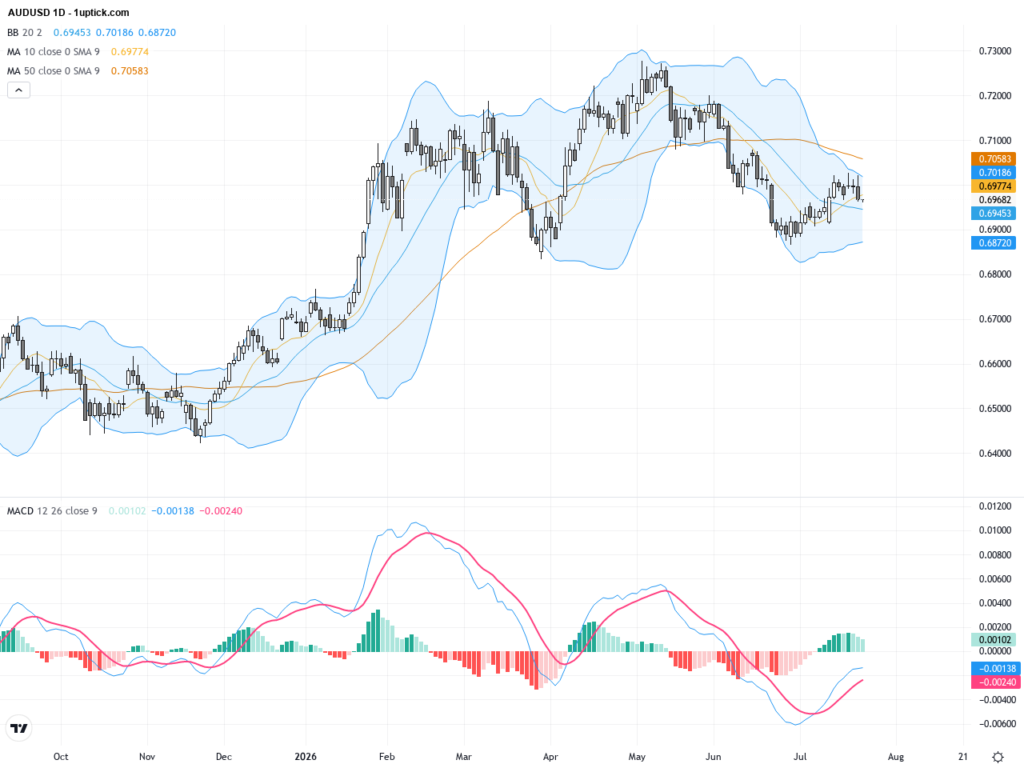
This inflation resurgence is reshaping expectations for the Federal Reserve. Markets increasingly price in a “higher-for-longer” interest rate environment. That’s pushing the U.S. dollar up, particularly against currencies from countries with lower yields. You might feel like your dollar stretches further overseas, but it’s also a signal investors expect continued monetary tightening.
In commodities, the high pump prices reflect not just crude cost increases but also expanded refinery margins and limited regional supplies. Energy companies and pipeline operators are enjoying stronger profits for now, but policy uncertainty and volatile geopolitical developments cap stock gains.
On the equity front, consumers bear the brunt. Rising fuel and grocery bills are squeezing real disposable income, particularly among middle- and lower-income households. That’s pressure on industries like retail, discretionary goods, and travel. Interest-rate-sensitive sectors — small-caps, REITs, and high-growth tech — also face headwinds due to higher discount rates and borrowing costs.
The Bond Market and Real Economy Picture
For bond investors, a three-year high inflation reading spells trouble. Treasury yields are climbing, particularly on shorter and intermediate maturities, as the market recalibrates expectations for Fed policy. Inflation breakevens are widening as investors demand more compensation for inflation risks, steepening the yield curve from previously inverted levels.
Locally, in Chicago and the Midwest, gasoline above $5 deepens living cost pressures, feeding into wage demands and locking in sticky prices for many services and transportation. This uneven pain raises political questions around both monetary policy and the administration’s aggressive energy push.
Recent Moves and What to Watch Next
Over the past two weeks, the Trump administration has doubled down on its “energy emergency” stance, pushing federal agencies to speed up leases, permits, and construction for oil, gas, pipeline, and LNG export projects, all aimed at cementing U.S. energy dominance. Independent analysts caution that, while bold, these policies have created investment uncertainty — tariff threats and regulatory reversals have dampened enthusiasm, which limits any immediate relief for consumer prices.
Natural gas demand for power generation continues to rise, keeping energy prices sensitive, even amid the ongoing expansion of renewables.
On the global stage, OPEC+ production decisions, refinery capacity issues, and geopolitical risks remain the dominant levers for wholesale fuel prices. This means domestic deregulation has yet to make a significant dent in retail prices in metropolitan hubs like Chicago.
Looking ahead, market watchers will zero in on upcoming inflation and labor reports. Any upside surprise to price readings is likely to reinforce the Fed’s commitment to elevated rates, strengthening the dollar and pressuring bonds and rate-sensitive stocks. The speed and effectiveness of pipeline expansions and refinery upgrades under Trump’s energy agenda will be key in determining fuel cost trajectories over the next year or two.
Lastly, consumer resilience will be critical. High gasoline and food prices in cities like Chicago act like an extra tax on households, squeezing budgets tighter. Watch credit card delinquency rates, consumer confidence surveys, and discretionary spending trends for early clues on how inflation is impacting everyday life.