

 |
| Gold V.1.3.1 signal Telegram Channel (English) |
US Import Costs Surge on Energy Crisis and AI Hardware Demand, Heightening Inflation Concerns
2026-06-17 @ 13:03
Energy Shock Meets AI Boom: A Double Whammy on US Import Prices
May 2026 brought a sharp jolt to US import prices, marking their biggest monthly increase in nearly four years. The culprits? Soaring costs for fuel, data-center equipment, plastics, and air travel — all propelled by disruptions in energy supplies due to the Iran conflict and an intense surge in AI-related capital expenditures. Iranian geopolitical tensions have injected volatility into global oil flows, especially around the strategically vital Strait of Hormuz, while AI’s growth is pushing demand for advanced semiconductors, servers, and power infrastructure sky-high. Together, these factors are reversing gains in US disinflation and feeding into inflation metrics that stay stubbornly elevated.
Market Implications and Fed Watch
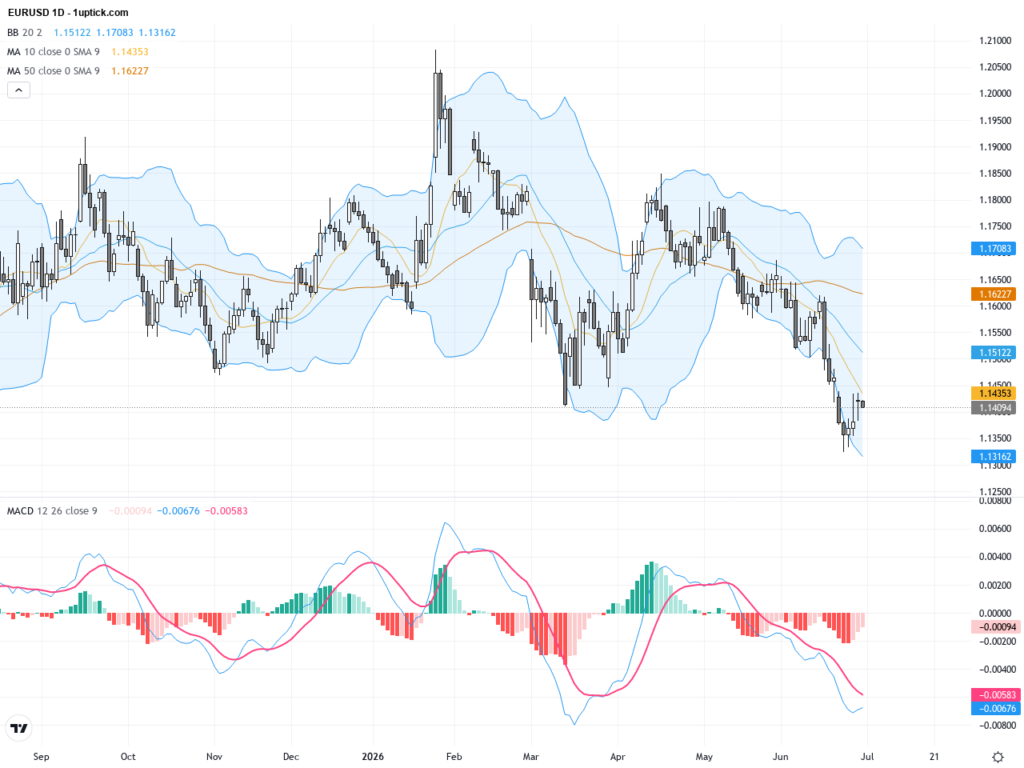
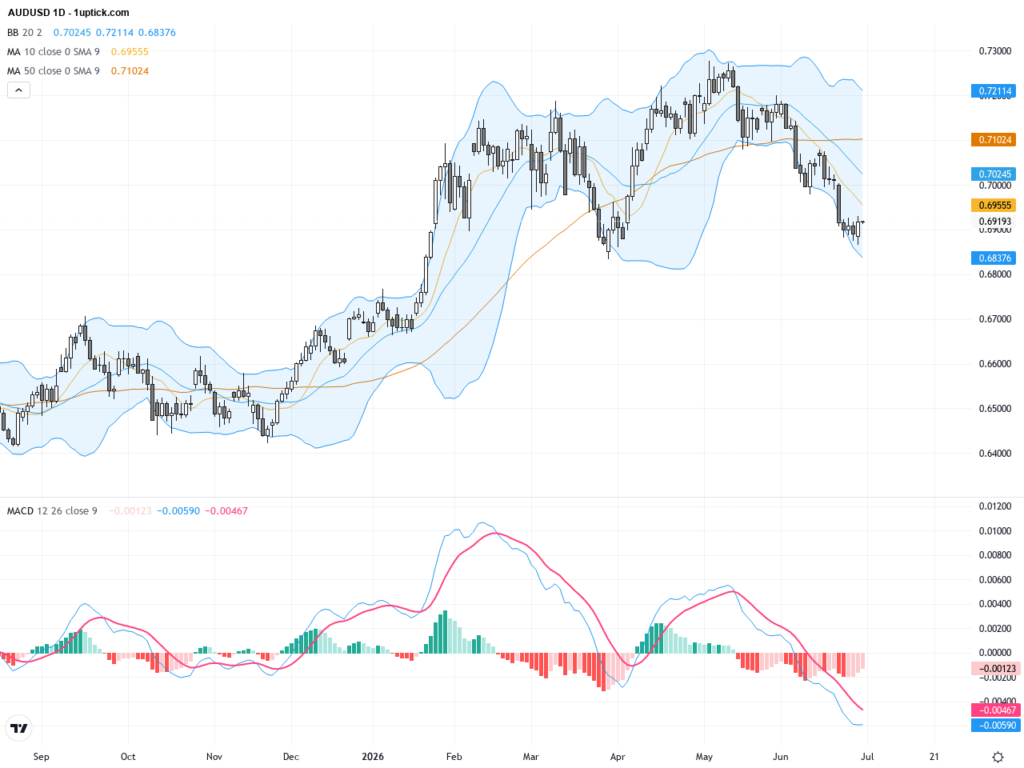
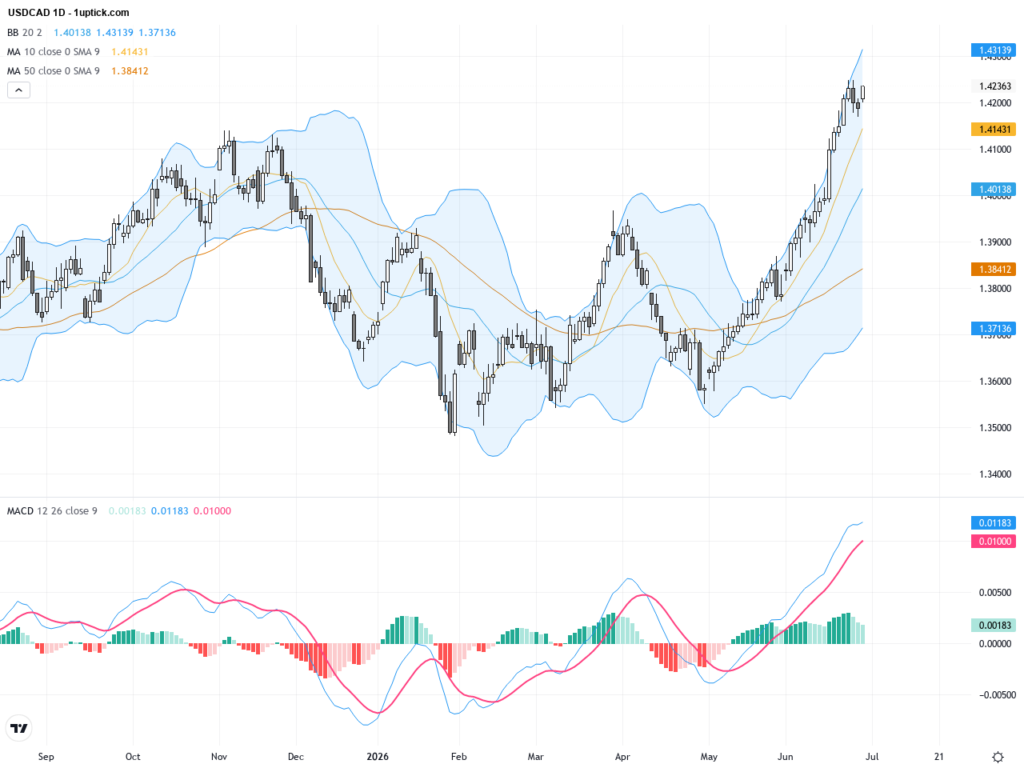
The persistent upward pressure on import costs backs a less dovish Federal Reserve stance. That means the US dollar remains relatively strong against lower-yielding currencies as rate-cut bets get pushed further out. Crude oil prices have settled firm in the $80-$90 per barrel range, consistent with Dallas Fed scenarios forecasting continued volatility through 2026. This sustained elevation in fuel prices inflates transportation and plastic manufacturing costs, reverberating across multiple sectors.
On the equity side, energy producers and certain logistics companies are benefiting from higher oil and freight rates. Yet, sectors dependent on domestic demand and sensitive to interest rates — like small-cap growth stocks, housing, and consumer discretionary — face headwinds amid the prospect of ‘higher for longer’ US rates. Meanwhile, the AI and data-center supply chain players such as semiconductor manufacturers, power equipment providers, and specialty construction firms, enjoy revenue tailwinds, but higher import costs on key components squeeze profit margins.
Bond markets are pricing in the added inflation risk from the Iran tension, which could contribute roughly 0.6 percentage points to headline PCE inflation next year, with 0.2 points fed into the core rate. This dynamic is keeping Treasury yields elevated, flattening yield curves, and discouraging near-term rate cuts while amplifying term premiums tied to geopolitical risk.
The Latest Developments
New analysis from the Dallas Fed confirms that the Iran-induced oil supply shock is raising US headline inflation by over one percentage point annualized in early 2026, with spillovers pushing core inflation higher via transportation and goods costs. Reports indicate US consumers are paying more than 28% more for gasoline year-over-year, with averages hovering above $4.50 per gallon, reflecting this imported energy cost transmission.
International bodies like the IMF and Chatham House note that while the direct drag on global GDP is mild, tighter global financial conditions and higher bond yields have set a cautious tone for risk assets. Energy-driven supply-chain frictions continue to increase shipping and insurance costs, further inflating import prices for fuel-dependent goods. The robust AI capital expenditure cycle keeps demand high for imported semiconductors, servers, and power systems, sustaining price pressures amid ongoing supply chain constraints.
What to Watch Moving Forward
Market focus remains sharply tuned to whether tensions around the Strait of Hormuz ease or escalate. A prolonged blockage could push oil prices well beyond baseline estimates, fueling even higher import and headline inflation. Conversely, any de-escalation may relieve pressure on fuel and freight costs.
Upcoming US inflation prints and Federal Reserve communications will be closely analyzed for signals on the duration and intensity of monetary tightening. How much of these import cost pressures seep into core services inflation is a critical piece of the puzzle.
Moreover, persistent bottlenecks in AI-related hardware supply chains—including high-end semiconductors and data-center infrastructure—could keep prices elevated in these key categories, continuing to weigh on tech margins and capital expenditure plans.
Globally, elevated import and energy costs risk dampening growth, especially across energy-importing emerging markets. This in turn may weigh on US export demand and cross-border capital flows, underscoring the interconnected nature of these inflation and growth dynamics.
In short, the recent jump in US import costs is a multifaceted story of geopolitical risk colliding with cutting-edge technology spending — a combination that’s keeping inflation sticky and markets on alert.