



 |
| Gold V.1.3.1 signal Telegram Channel (English) |
How to Analyze Forex Market Data for Informed Trading Decisions
2026-06-27 @ 00:04
How to Analyze Forex Market Data for Informed Trading Decisions
In today’s volatile foreign exchange markets, successful traders distinguish themselves through systematic data analysis and disciplined decision-making. This guide provides a structured framework for analyzing forex market data, enabling you to transform raw information into actionable trading intelligence.
step_num: 1, heading: Establish Your Data Sources, content: Begin by identifying reliable, real-time data sources for forex market analysis. Essential sources include central bank announcements, economic calendars from platforms like Bloomberg or Reuters, and proprietary market intelligence feeds. Ensure your data sources provide accurate bid-ask spreads, historical price data, and volume indicators. Cross-reference multiple sources to validate data integrity and avoid acting on erroneous information.
step_num: 2, heading: Monitor Key Economic Indicators, content: Track fundamental economic indicators that drive currency valuations. Focus on GDP growth rates, inflation data (CPI/PPI), employment figures, interest rate decisions, and trade balance reports. Create a systematic calendar to track scheduled releases from major economies including the US Federal Reserve, European Central Bank, Bank of England, and Bank of Japan. Understanding the correlation between these indicators and currency movements is essential for anticipating market reactions.
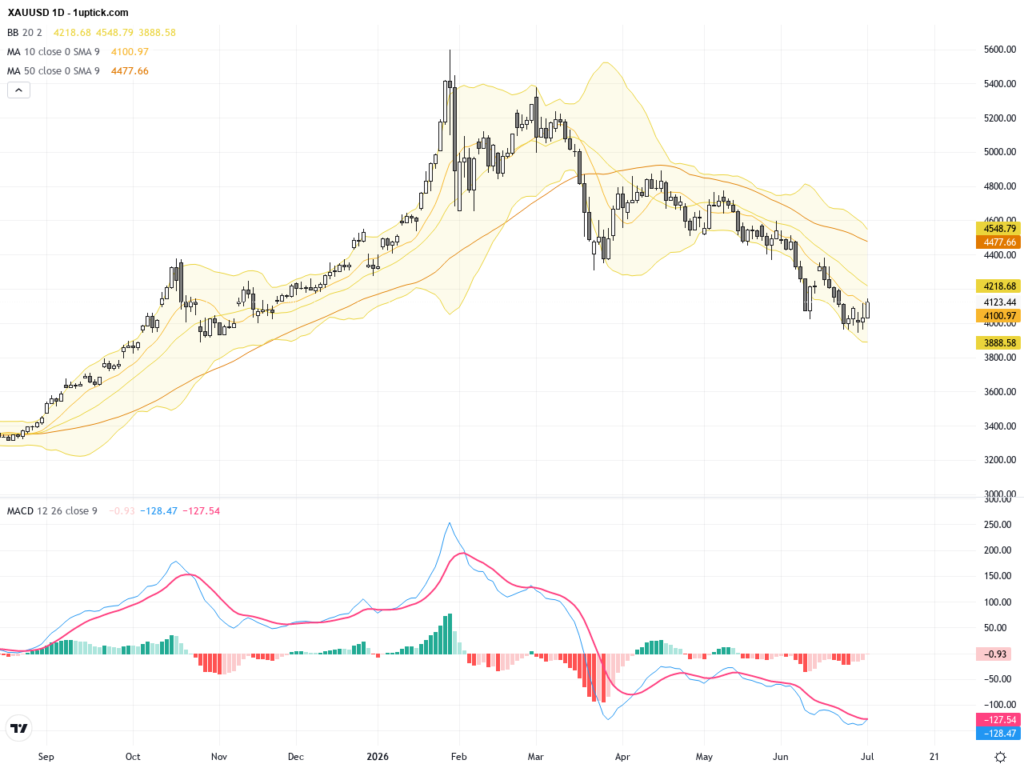
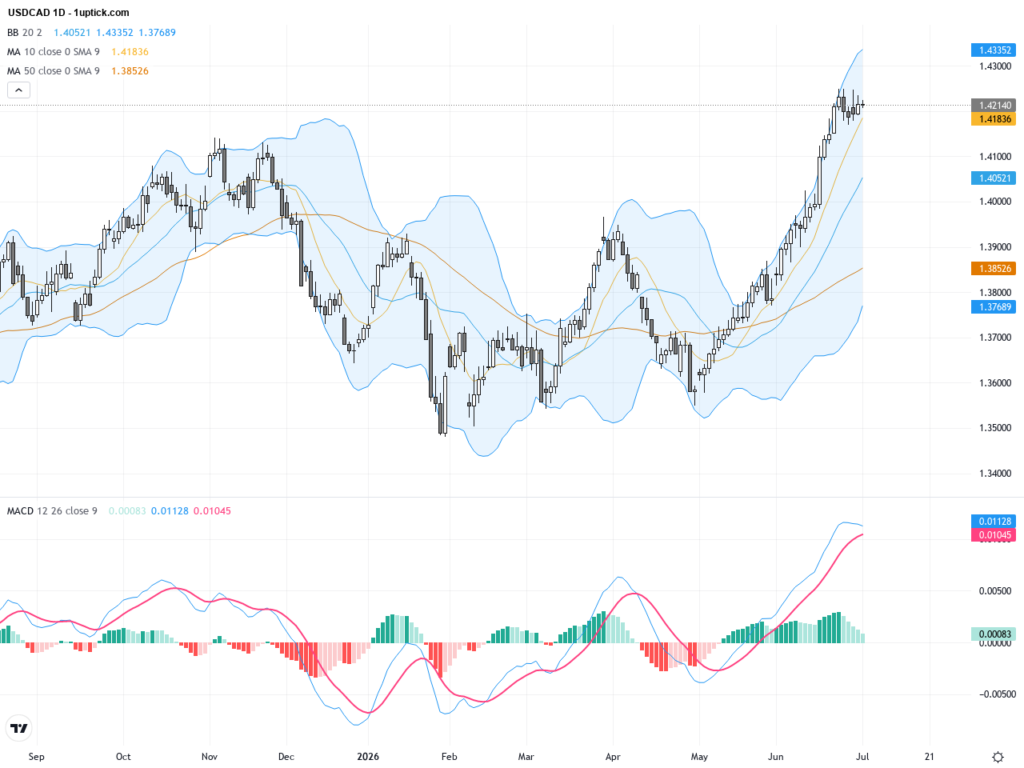
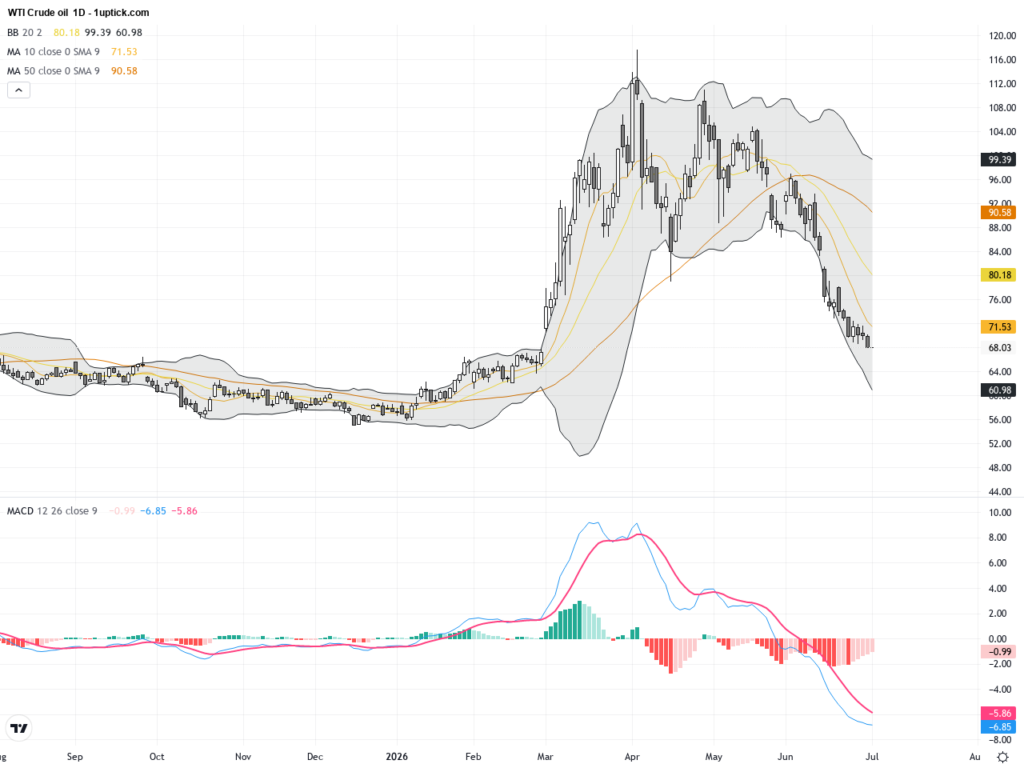
step_num: 3, heading: Implement Technical Analysis Framework, content: Develop a technical analysis system incorporating multiple timeframes. Utilize candlestick patterns, support and resistance levels, moving averages (50-day and 200-day), and momentum indicators such as RSI and MACD. Chart major currency pairs (EUR/USD, GBP/USD, USD/JPY) daily and identify trend patterns. Combine technical signals with fundamental analysis for higher-probability trade setups.
step_num: 4, heading: Assess Market Sentiment and Positioning, content: Analyze market sentiment through the Commitment of Traders (COT) report, options market data, and sentiment indices. Monitor institutional positioning to understand whether large players are accumulating or distributing positions. Retail sentiment indicators can provide contrarian signals when extreme readings occur. Integrate sentiment analysis with your technical and fundamental framework for comprehensive market perspective.
step_num: 5, heading: Calculate Risk Parameters and Position Sizing, content: Before executing any trade, determine your risk parameters using data-driven calculations. Calculate position sizes based on account equity (typically risking 1-2% per trade), stop-loss distances, and currency pair volatility (ATR indicator). Use historical drawdown data to stress-test your strategy and ensure sustainable risk management practices.
step_num: 6, heading: Document and Review Trading Decisions, content: Maintain a detailed trading journal documenting your analysis, entry rationale, and outcomes. Regularly review performance metrics including win rate, risk-reward ratios, and maximum drawdown. Use this data to refine your analytical approach and eliminate systematic errors in your decision-making process.
Insider Insight: Professional forex traders at institutional desks consistently emphasize that successful analysis is not about predicting market direction with certainty, but rather about identifying asymmetric risk-reward opportunities where the probability-weighted outcome favors your position. The most successful traders we’ve observed combine quantitative rigor with disciplined emotional management, treating each trade as one iteration in a long-term statistical process rather than an isolated event.