



 |
| Gold V.1.3.1 signal Telegram Channel (English) |
US Households Increasingly Using Credit Cards for Groceries Amid Soaring Food Prices
2026-07-14 @ 13:03
Credit Card Debt for Groceries Signals Growing U.S. Household Financial Strain
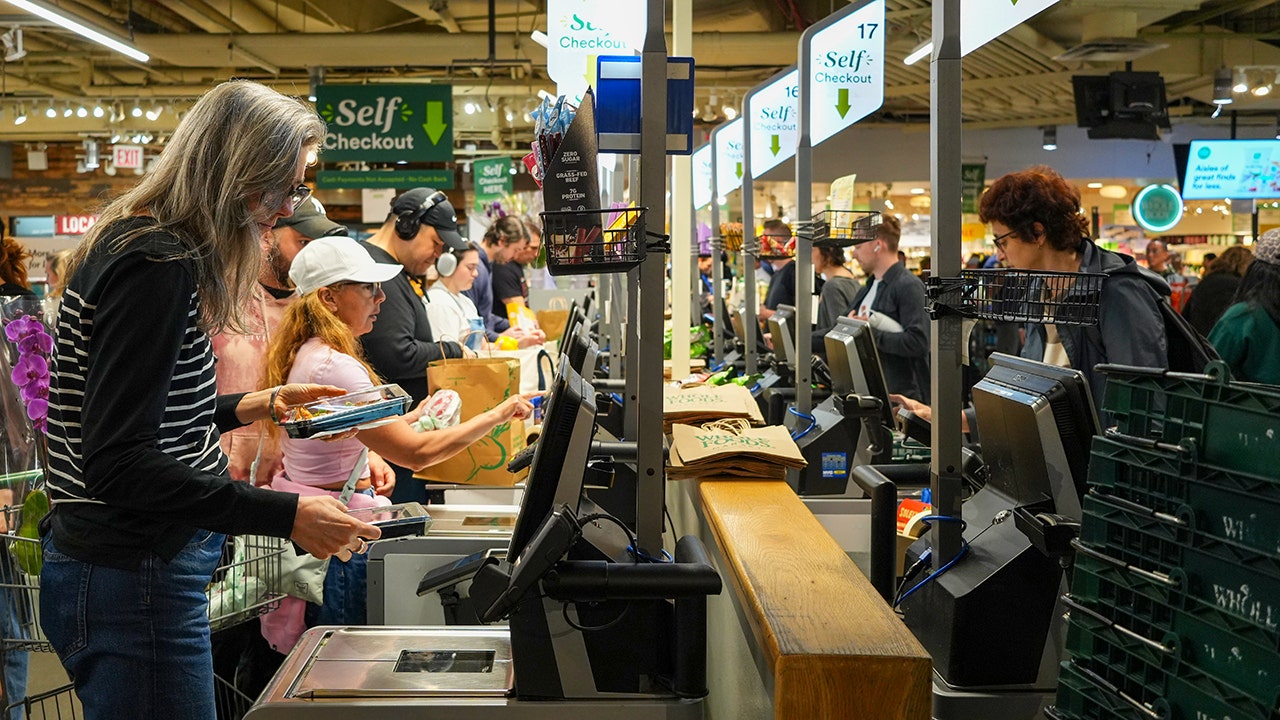
Have you noticed more people charging groceries on their credit cards yet struggling to pay those bills? That’s no coincidence. Recent research linked to the Urban Institute shows more than 25% of working-age Americans using credit cards for food are either missing their minimum payments or unable to pay their balances in full—especially hitting lower-income families hardest.
Food prices have surged roughly 32% over the past five years, squeezing household budgets tighter than ever. Consumers are either shifting buying habits or leaning on credit to cover essentials. Shockingly, about one in five adults has also dipped into long-term savings just to put food on the table, highlighting deeper financial stress beyond just revolving credit.
Credit card balances in the U.S. are hovering near record levels, with first-quarter 2026 data showing around $1.25 trillion outstanding and May figures hitting a staggering $1.33 trillion. The pain gets worse as average card APRs remain elevated at 22.15%, increasing the cost of carrying grocery-related debt.
This pressure echoes beyond families. Large retailers, grocery chains, and discount stores see a distinct shift toward “trading down”—customers opting for cheaper options. While this boosts value-focused sales, it also signals softer overall discretionary spending. Retail earnings reports from these sectors remain key barometers of consumer health.
Banks and credit card issuers aren’t off the hook either. Rising missed payments elevate delinquency risks, especially among low- and middle-income cardholders. Should credit stress widen, it could prompt looser monetary policy—but in the short term, it dampens investor appetite for consumer credit asset-backed securities and lower-rated debt instruments.
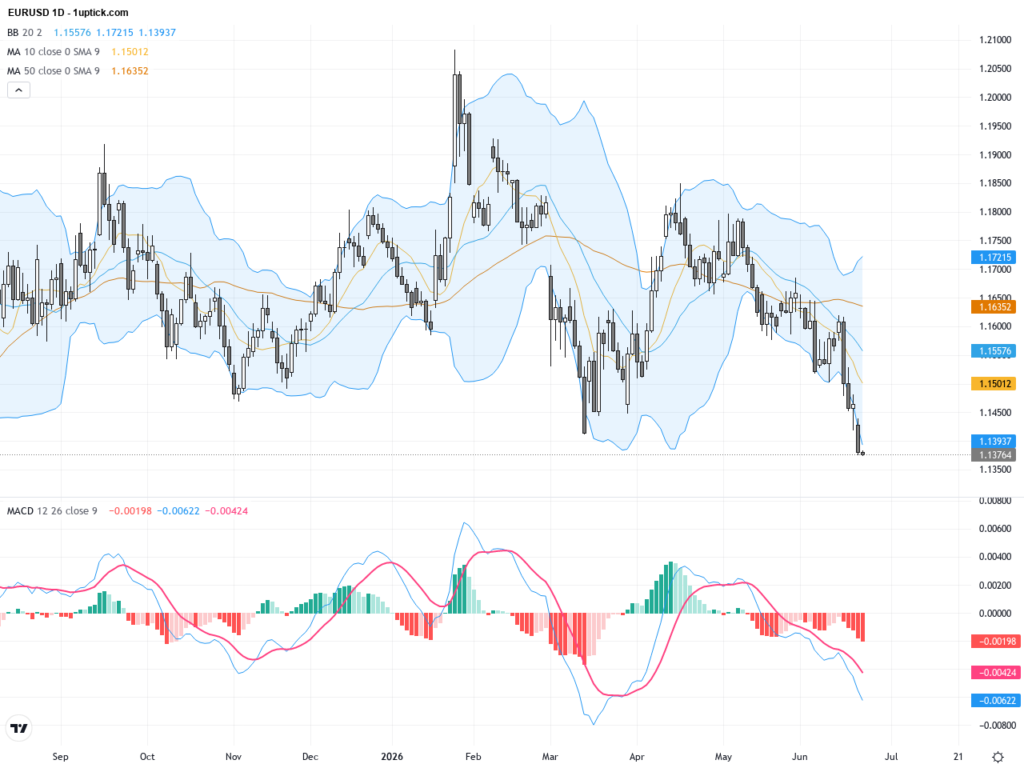
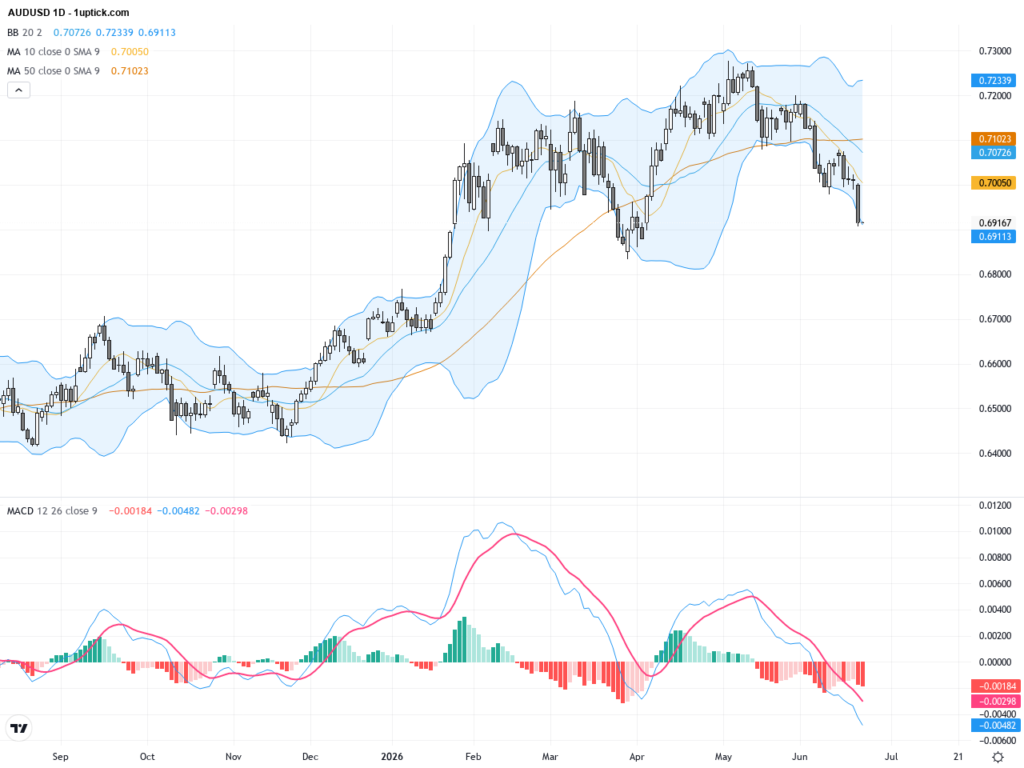
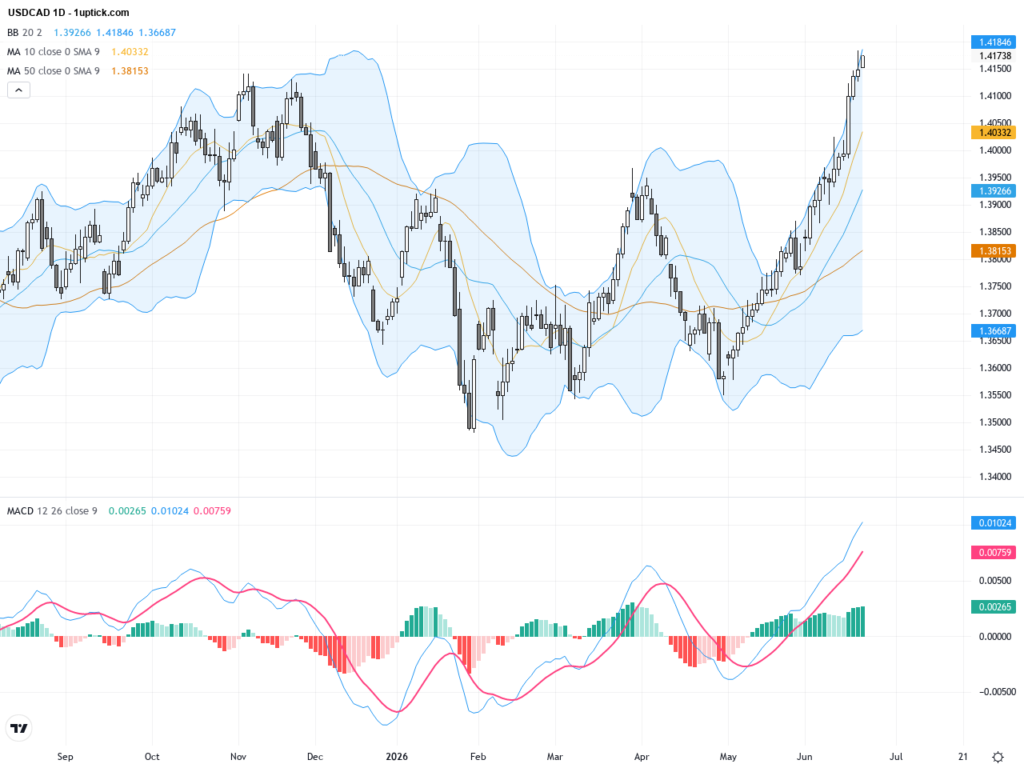
On the commodities front, persistent grocery inflation supports demand for staple foods and agricultural products, even as a weaker consumer stance could soften some U.S. growth-sensitive currencies.
Looking ahead, watch closely for further spikes in delinquency rates, particularly in vulnerable income groups. Keep tabs on food price inflation’s trajectory since its persistence sustains revolving credit use. Also, issuer comments and consumer credit data will shed light on how rising interest rates are influencing spending and default trends.
Bottom line: The surge in credit card use for groceries isn’t just about convenience; it’s a red flag flash for American household finances and wider economic health. This evolving dynamic demands the attention of investors, policymakers, and anyone tracking the pulse of consumer behavior.