






 |
| Gold V.1.3.1 signal Telegram Channel (English) |

Iran Conflict Pushes U.S. Inflation, Gasoline, and Mortgage Rates Higher as Energy Shock Deepens
2026-07-25 @ 13:03
Rising Energy Costs Drive U.S. Inflation Higher
In recent weeks, the escalating tensions between Iran, the U.S., and Israel, especially disruptions near the Strait of Hormuz, have knocked roughly 20% of global crude and gas supplies offline. This shortage has sent U.S. gasoline prices soaring from about $2.98 to over $4.06 per gallon, a jump of more than a dollar — the largest monthly increase since 1967.
The Consumer Price Index (CPI) has surged to 3.3%, the highest in nearly two years, largely fueled by this energy spike. The ripple effects are clear: higher transportation, grocery, and housing finance costs. Experts estimate that the average American household is paying an additional $1,200 annually due to this conflict-driven inflation, with most of the pinch felt at the pump and grocery store.
Dollar Strength and Higher Interest Rates Reflect Market Risks
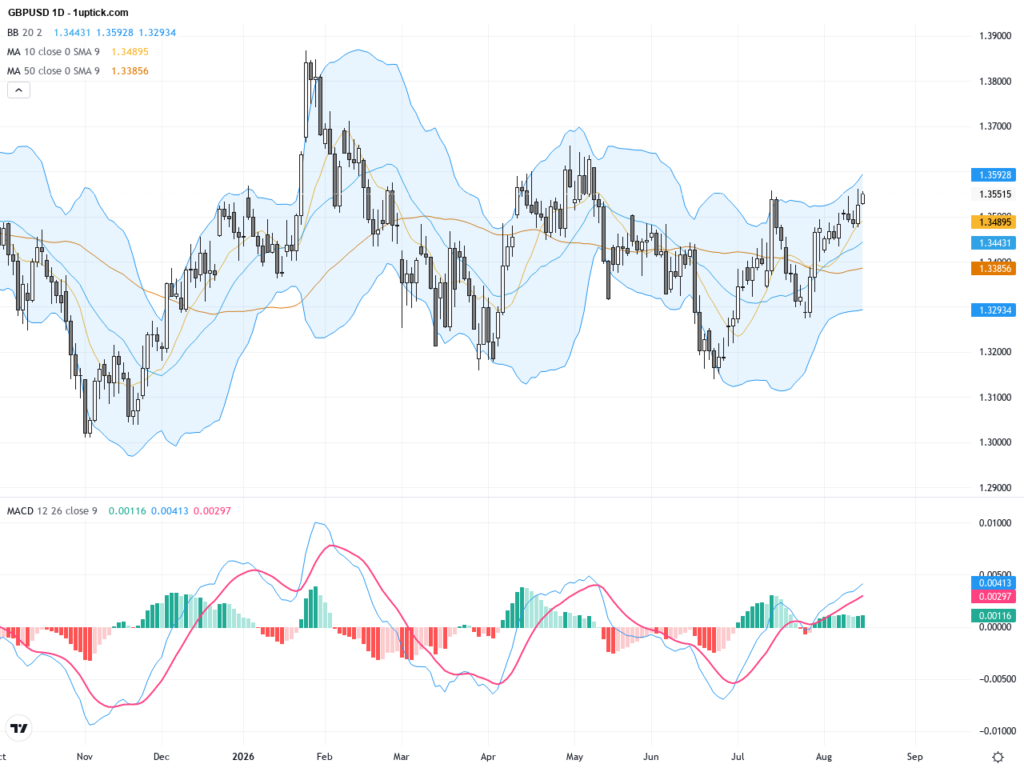
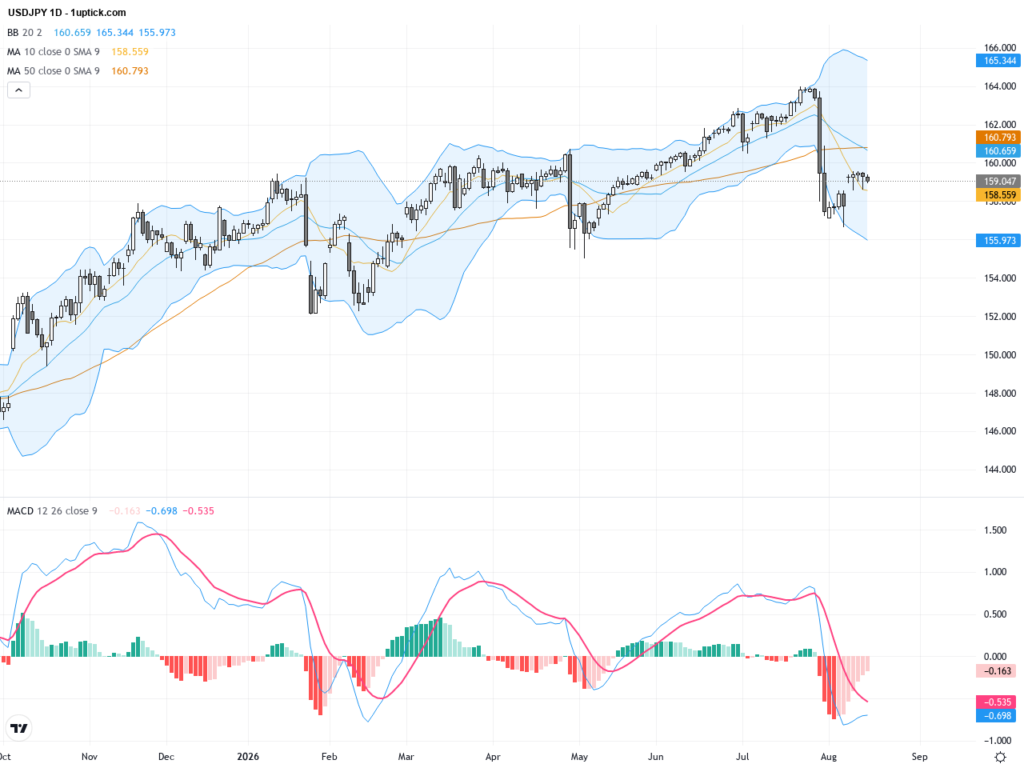
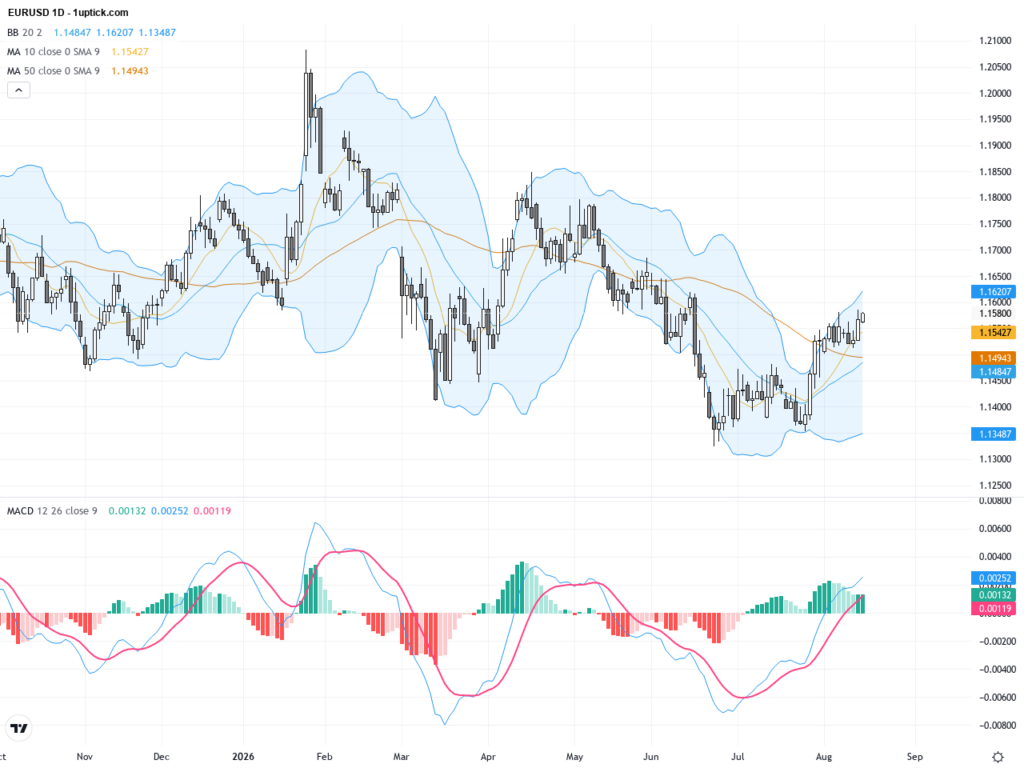
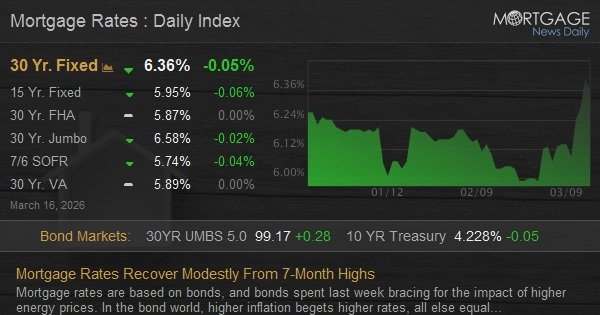
With energy prices staying elevated, the Federal Reserve seems set to keep interest rates restrictive for longer than expected. This has bolstered the U.S. dollar against currencies with lower yields as markets price in higher real interest rates. Mortgage rates are up sharply, with the average 30-year fixed rate climbing from just under 6% before the conflict to approximately 6.5%, putting homeownership increasingly out of reach for many buyers.
These rate hikes are dampening housing market activity as potential buyers either delay or reduce their purchase plans. This slowdown also impacts sectors tied to housing, retail, and financial services, signaling broader economic challenges ahead.
Equity Markets Feel the Pressure
Wall Street hasn’t escaped the fallout. U.S. equity indices have slipped for several consecutive weeks as the combined weight of rising costs, higher rates, and geopolitical uncertainty dampens investor enthusiasm. Consumer-driven sectors like retail, travel, and autos are particularly hard hit, reflecting worries over future spending. Analysts voice growing concerns over stagflation risks — a difficult scenario of rising prices paired with slower growth.
Supply Chains and Consumer Prices Are Tightly Intertwined
Soaring jet fuel and shipping costs have lifted freight and airfare prices, feeding into the cost of goods worldwide. From agriculture to everyday essentials, these increases are quietly reshaping what consumers pay at stores and airports alike. Energy market experts warn that unless diplomatic progress eases tensions, oil prices are unlikely to fall back to pre-war levels anytime soon, keeping this energy shock in place throughout 2026.
What’s Next? Watching Geopolitics and Inflation Trends
Looking ahead, market watchers will focus on developments in the Strait of Hormuz and potential diplomatic breakthroughs. A prolonged closure of this vital shipping lane could drive gasoline prices close to $5 per gallon. Alternatively, any peace agreements or swift OPEC+ production boosts might ease oil prices and inflation pressures.
Upcoming inflation readings, notably CPI and PCE data, will be crucial in determining the Fed’s next moves — especially if core inflation approaches or exceeds 4%. Higher rates and bond yields would likely remain the norm, further pressuring household budgets. With fuel, food, and mortgage costs climbing, consumer spending and housing markets will remain under the microscope.
In short, the Iran conflict has not only sent energy prices to new post-pandemic highs but is now a tangible strain on American wallets and housing dreams. Staying informed on these shifting dynamics is essential for anyone navigating today’s choppy financial waters.